Key takeaways:
- The CDC confirmed 3,659 measles cases as of September 24 and announced two deaths Tuesday without identifying their locations.
- Pennsylvania has reported more than 900 cases and four deaths, but the CDC has not included those deaths in its national tally.
- The CDC now uses National Center for Health Statistics mortality data for its national measles death count instead of state death reports.
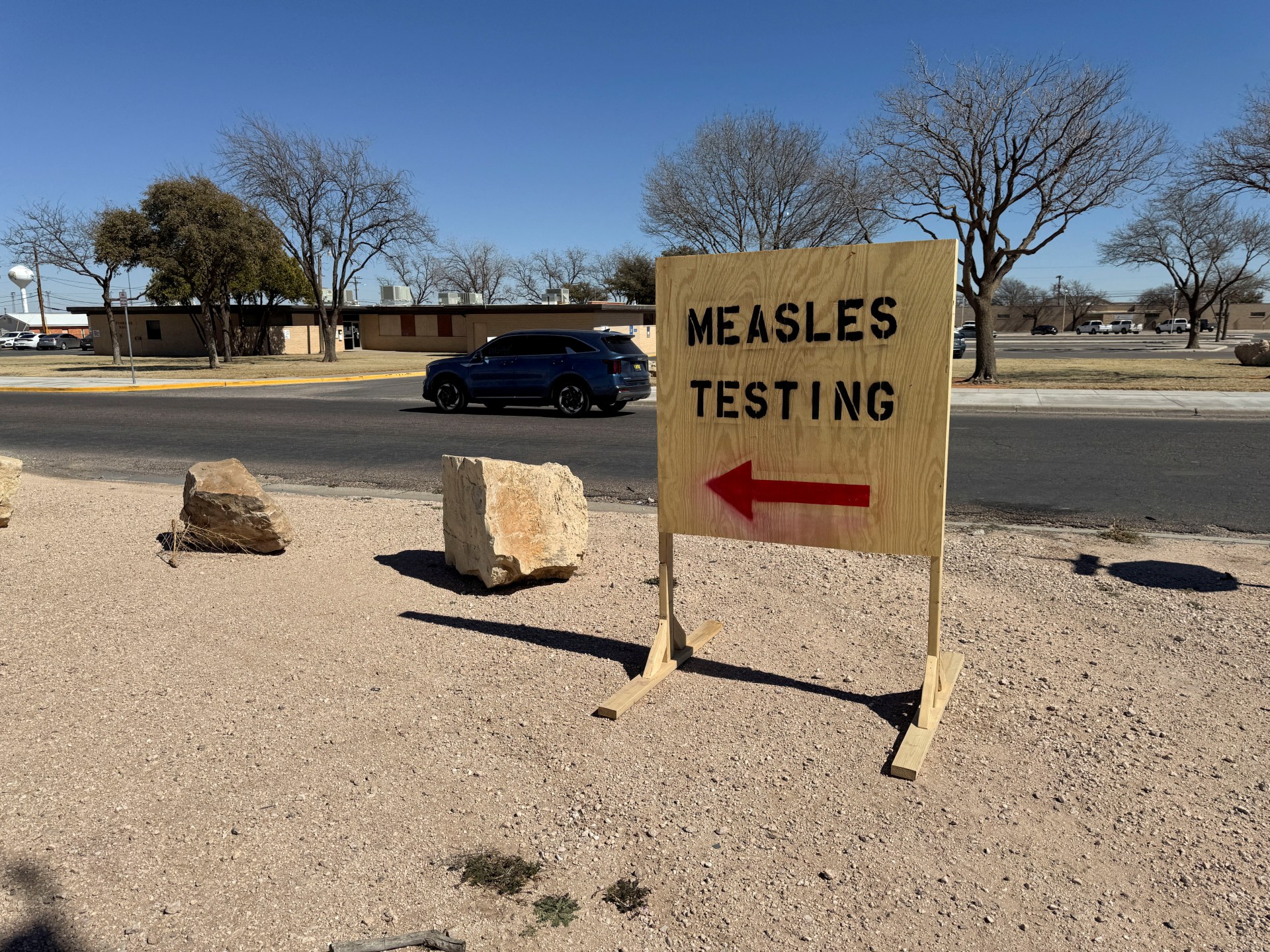
The United States has recorded 3,659 confirmed measles cases this year, its highest total in 35 years, as federal officials confirm two deaths and face questions over why their count excludes four deaths reported by Pennsylvania.
The Centers for Disease Control and Prevention announced the two deaths Tuesday but did not say where they occurred. The outbreak has affected 47 states, according to The Guardian. The federal case count was current as of September 24.
Pennsylvania has reported more than 900 cases, the most of any state, and four measles-related deaths. None of those deaths is included in the CDC’s national tally. Pennsylvania Governor Josh Shapiro and US Health and Human Services Secretary Robert F. Kennedy Jr. have disputed the discrepancy. Kennedy maintains that measles caused only one of the four deaths reported by the state, according to Al Jazeera.
The CDC has moved from collecting state death reports to using mortality data from the National Center for Health Statistics for its national measles death count. Al Jazeera reported that the agency made the change a few weeks ago, replacing rapid reporting from state health departments. The CDC says it is working with state epidemiologists on a standard definition of measles-related deaths so jurisdictions report them consistently. It says the national count could change as reviews are completed.
Pennsylvania reported 114 new cases in the seven days covered by its latest figures, with children under 18 accounting for about a third of them, The Guardian reported. The state has recorded 176 hospitalizations. Fewer than 1% of its reported cases involve people who were fully vaccinated.
“While daily numbers fluctuate, tracking these trends provides Pennsylvanians and health care providers with visibility into community transmission across the [state] and helps inform the department’s ongoing response,” Pennsylvania’s health department said.
The United States declared measles eliminated in 2000. This year’s case total is the country’s highest since 1991. Measles is highly contagious and can cause serious complications; deaths occur in approximately one to three of every 1,000 cases. Symptoms generally begin seven to 14 days after infection and can include a high fever, cough, runny nose and red, watery eyes, followed by a rash that spreads down the body. The CDC says two doses of the measles, mumps and rubella vaccine “provide the best protection against measles.”
The outbreak comes amid staffing losses at the CDC. The Guardian reported that the Trump administration laid off 18% of the agency’s staff in 2025, while a federal employee union said the CDC had 3,810 fewer civil service employees than a year earlier, a reduction of about a third. Al Jazeera described the agency as having lost nearly 30% of its workforce through layoffs, retirements and resignations.
Al Jazeera also reported that President Donald Trump signed an executive order in August aimed at having states split the combined MMR vaccine into three shots and space out childhood appointments. Public health experts warned that requiring return visits could increase infection risks, the outlet reported.









Be First to Comment