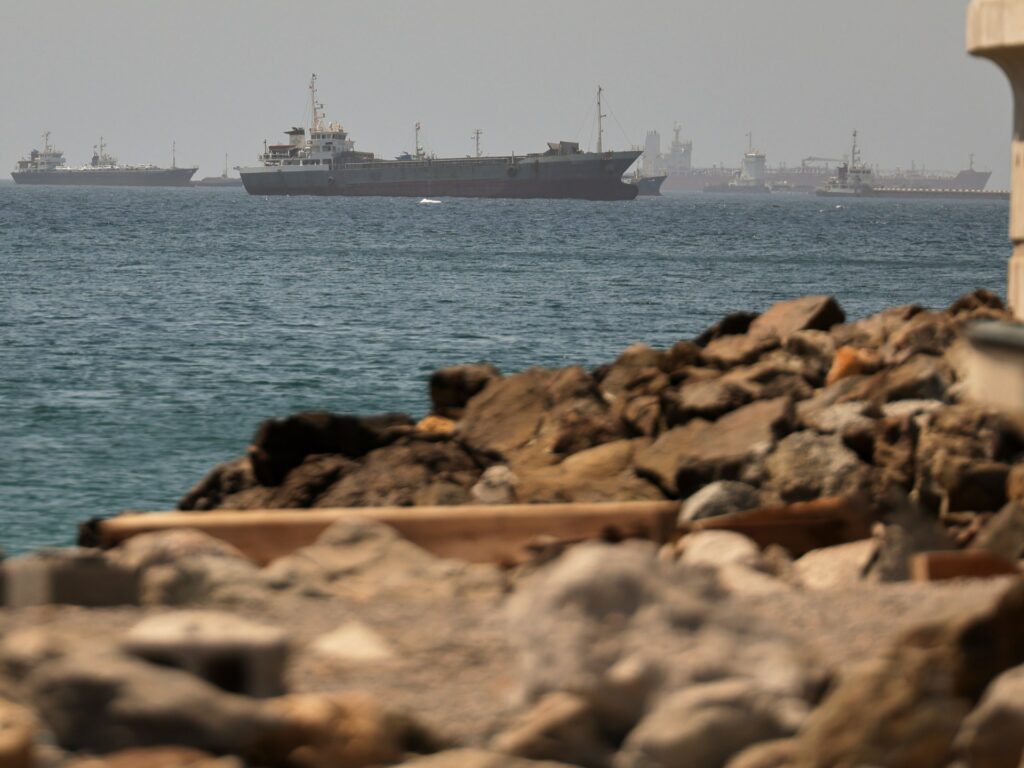
Brent crude fell to its lowest level since early March as markets anticipated a US-Iran framework agreement that could reopen the Strait of Hormuz. Shipping groups and analysts warned that restoring normal energy flows could still take weeks or months.
Posts tagged as “Gulf Arab”
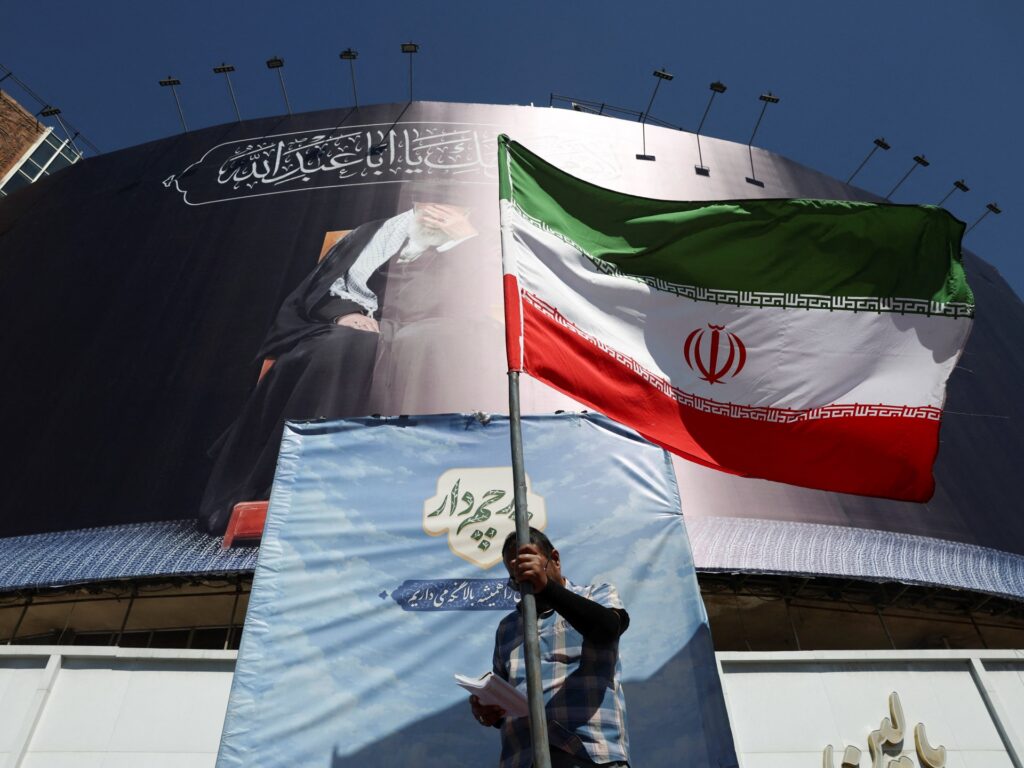
Israeli strikes in southern Lebanon continued after President Donald Trump urged Benjamin Netanyahu to be more restrained. The attacks have added pressure to an undisclosed US-Iran agreement that mediator Pakistan says includes Lebanon.
Potential Tropical Cyclone One could become the first tropical storm of the 2026 Atlantic hurricane season while bringing heavy rain and dangerous flooding from Texas to the Southeast. Flood watches and warnings covered more than 40 million people across the region.
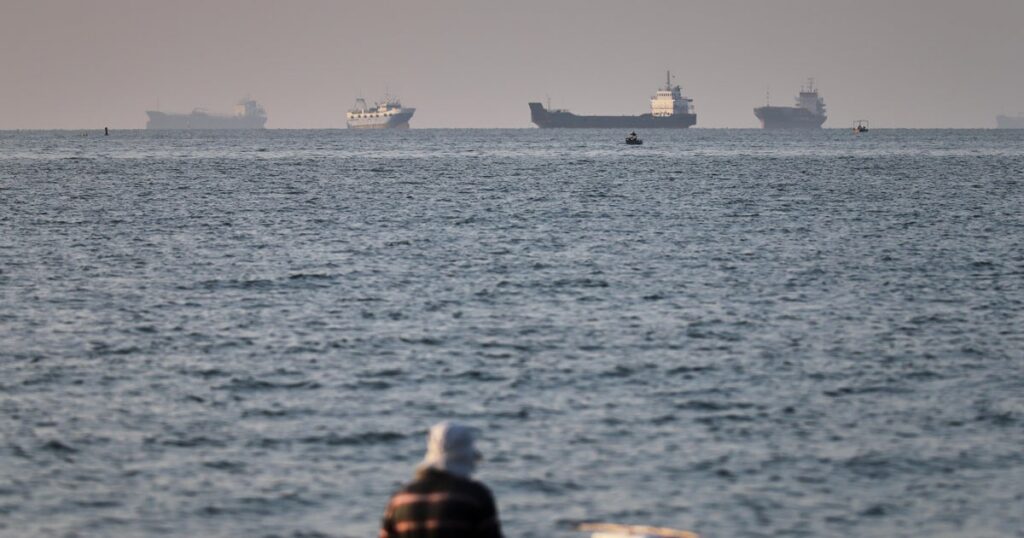
Trump has declared the Strait of Hormuz open and safe under a pending U.S.-Iran agreement, but shippers say they need proof that vessels can transit without danger. Ship-tracking data shows only limited movement as concerns persist over security, mines and possible fees.
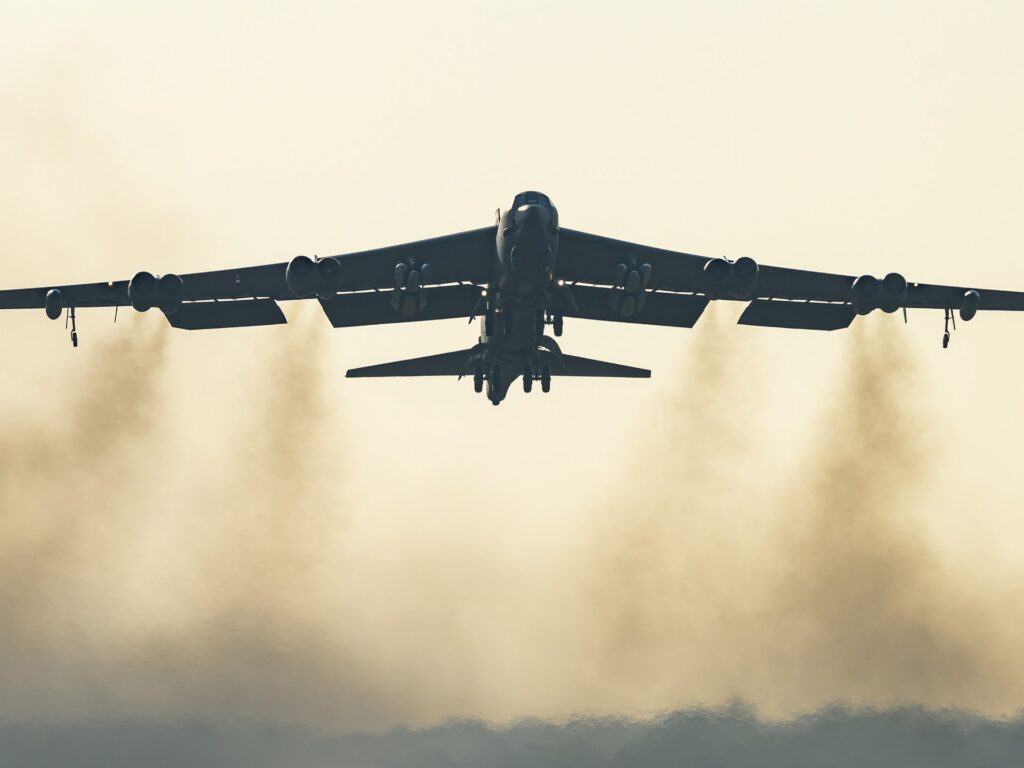
A U.S. Air Force B-52 Stratofortress crashed shortly after takeoff Monday at Edwards Air Force Base in California. Officials said emergency crews responded, the airfield was closed and no immediate information was available on casualties or the cause.
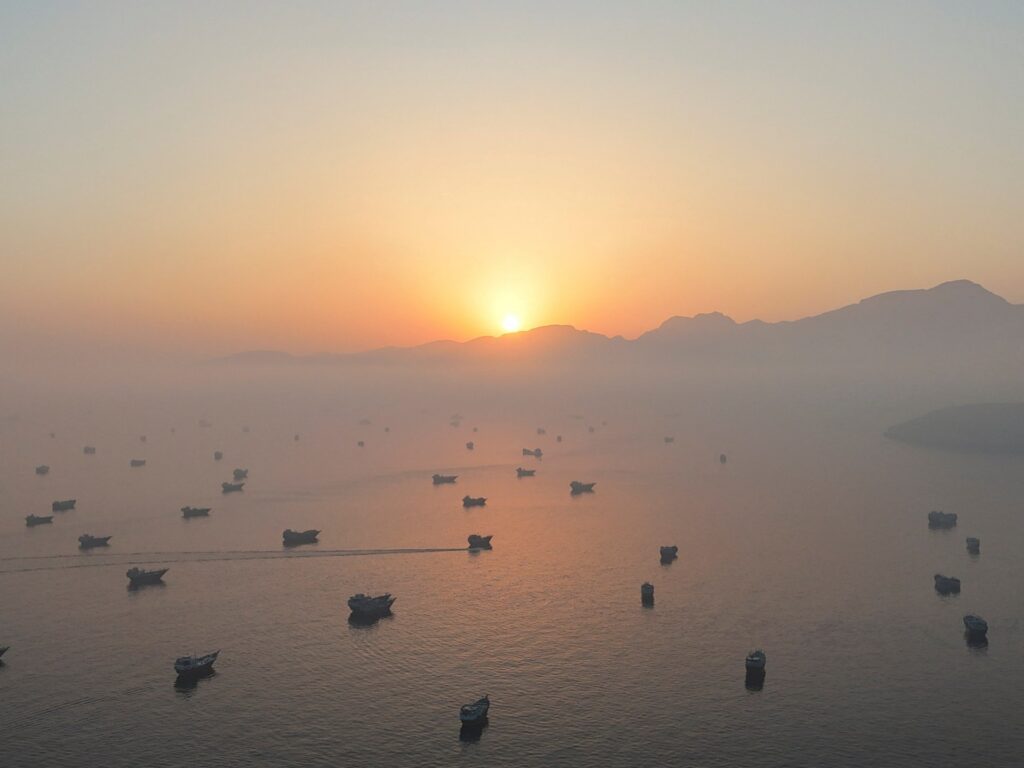
Oil prices dropped after Trump announced an initial US-Iran deal to reopen the Strait of Hormuz, but shipping, insurance and mine-clearing hurdles could delay a return to normal. Analysts warn energy, fertiliser and consumer prices may remain under pressure for months.
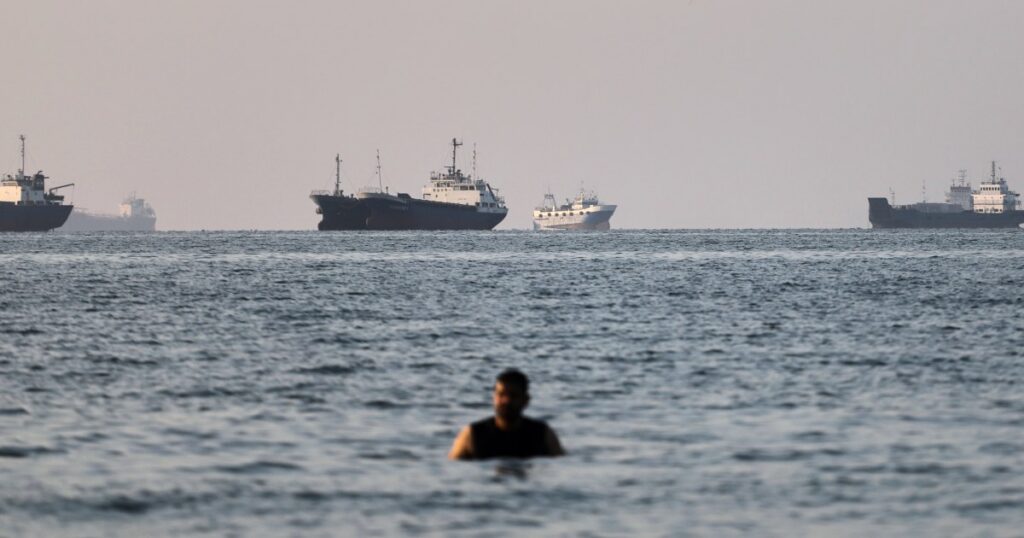
Trump said a U.S.-Iran deal is scheduled to be signed Sunday and would reopen the Strait of Hormuz, but Iran said the memorandum would not be signed that day. Pakistan, a key mediator, said finalization could come within 24 hours.
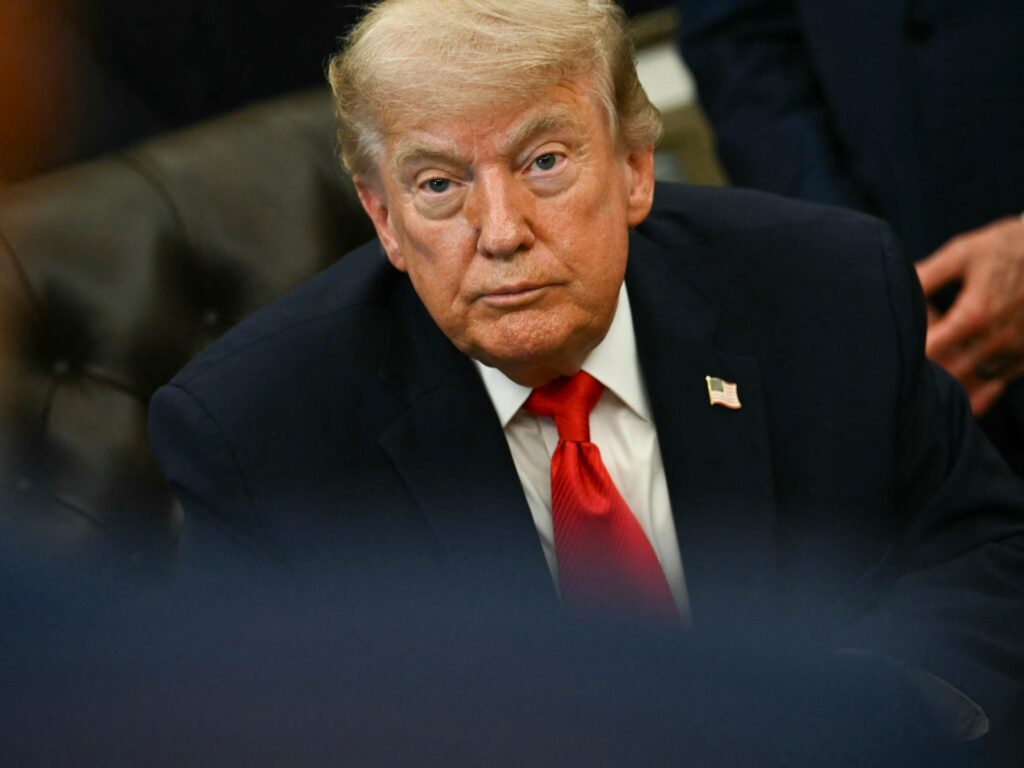
Trump rejected Iranian media reports describing alleged terms of a possible ceasefire agreement, calling them fake and unrelated to what had been agreed. Iranian and U.S. accounts differed sharply over sanctions relief, frozen assets, the Strait of Hormuz and Iran’s nuclear program.