Press "Enter" to skip to content

Posts tagged as “Gulf Arab”

Israel Kills Top Iranian Security Official Ali Larijani in Airstrikes, Escalating Regional Tensions

Israel announced the killing of Ali Larijani, a top Iranian security official and former head of Iran's Supreme National Security Council, along with several associates in overnight airstrikes, marking a significant escalation in the conflict with Iran. Larijani’s death removes a key insider known for balancing military action with negotiation, potentially hardening Iran’s stance, while Israel also targeted General Gholam Reza Soleimani, accused of repressing protesters. These assassinations have heightened regional tensions, disrupted global oil markets, and may entrench hardline factions in Iran, reducing prospects for a political resolution.

Israeli Strikes Kill Senior Iranian Officials as Middle East Tensions Surge, U.S.-China Summit Faces Uncertainty

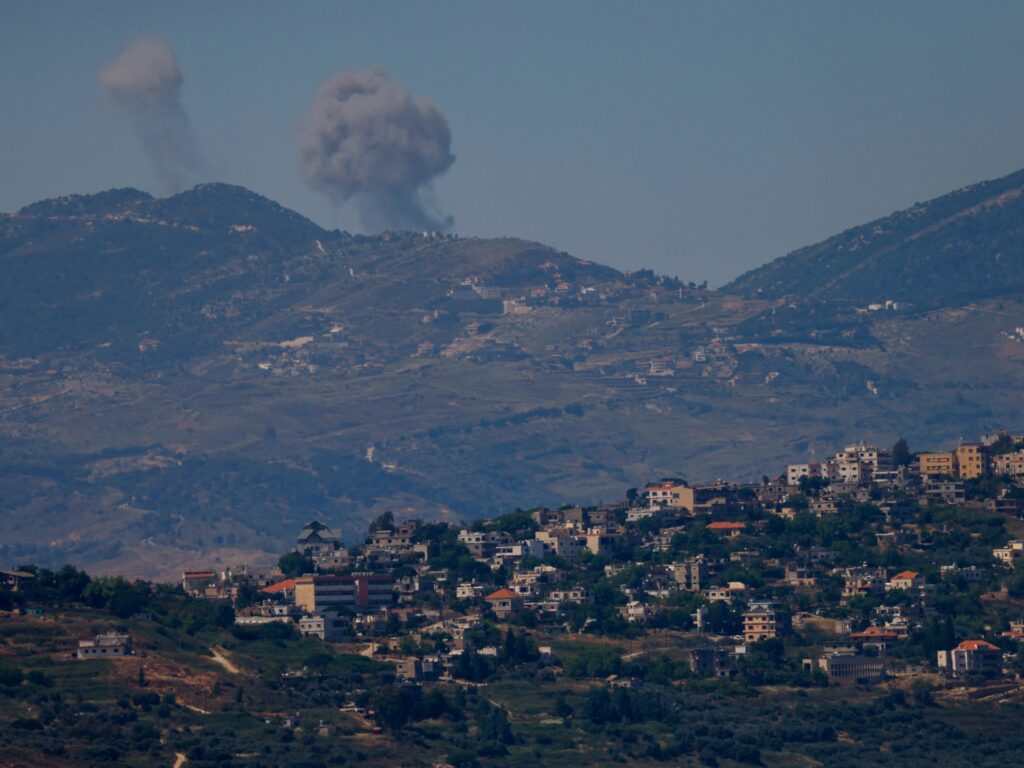
Tensions in the Middle East have intensified following Israeli strikes that killed senior Iranian officials, prompting Iranian missile and drone retaliations primarily targeting the UAE and escalating violence in Lebanon involving Hezbollah. The conflict has caused significant civilian casualties and infrastructure damage, drawing international concern and calls for negotiated peace, while also disrupting global energy markets and raising oil prices. Meanwhile, diplomatic efforts, including a planned U.S.-China summit, face uncertainty as the conflict diverts attention and complicates international relations.

Trump Urges Allies to Reopen Strait of Hormuz Amid Iran Conflict as Europe Refuses Military Involvement

President Donald Trump has urged countries dependent on oil shipments through the Strait of Hormuz to help reopen the waterway, which Iran has effectively closed amid escalating regional conflict following a U.S.-Israeli military campaign. However, many traditional U.S. allies, including European and Pacific nations, have declined to participate in securing the strait, emphasizing diplomacy and conflict resolution over military involvement. The ongoing tensions have driven up global oil prices, strained international relations, and resulted in significant military engagements and regional instability.

Conflict-Induced Closure of Strait of Hormuz Sparks Global Energy Crisis and Soaring Oil Prices

The conflict between the United States, Israel, and Iran has led to the near closure of the Strait of Hormuz, severely disrupting global oil supplies and causing sharp price increases, particularly impacting energy-dependent Asian countries that have implemented emergency measures to cope with shortages. This disruption has triggered broader economic consequences, including rising costs for fuel and essential products like fertilizers, stock market declines, and a shift toward alternative energy sources. Meanwhile, maritime operations in the strait have become increasingly dangerous due to attacks and military tensions, with shipping largely deterred despite U.S. efforts to secure the vital waterway.

Ukraine Awaits U.S.-Russia Agreement to Resume Peace Talks Amid Rising Regional Conflict and Drone Warfare Innovations

Ukrainian President Volodymyr Zelenskyy is ready to resume trilateral peace talks with Russia and the U.S., but the timing and location hinge on an agreement between Washington and Moscow, with recent talks postponed due to the Middle East conflict. Ukraine is also leveraging its extensive drone warfare expertise, developed through years of combat against Russian attacks, to assist other countries facing similar threats, while urgently seeking additional air defense systems amid concerns over depleted stockpiles. Meanwhile, regional tensions rise as Iran warns Ukraine against involvement in Middle Eastern drone conflicts, complicating Kyiv’s diplomatic and military efforts.

US Strikes Military Targets on Iran’s Kharg Island, Sparing Oil Facilities Amid Rising Gulf Tensions

Kharg Island, a vital hub for Iran’s oil exports located near the Strait of Hormuz, has recently been targeted by U.S. military strikes aimed at disabling military sites while sparing energy infrastructure to avoid disrupting global oil supplies. President Trump emphasized that any negotiation with Iran would require the country to abandon its nuclear ambitions and highlighted ongoing international efforts to secure the Strait of Hormuz amid escalating regional tensions. The conflict continues to heighten instability in the Gulf, with Iran threatening to close the strategic shipping lane and the U.S. coordinating with allies to maintain open passage.

Trump Administration Weighs Military Escort for Oil Tankers in Strait of Hormuz Amid Rising Iranian Drone Attacks and Regional Tensions

The Trump administration is considering a military operation to escort oil tankers through the Strait of Hormuz following a series of attacks on vessels in the Persian Gulf, which have disrupted global oil shipments and driven up prices. The proposed operation involves neutralizing Iranian threats through strikes on missile and drone facilities before providing convoy protection with U.S. Navy ships and international partners, amid ongoing drone attacks by Iran targeting U.S. bases and regional infrastructure. As the conflict escalates, the U.S. and allies are working to secure critical maritime routes and counter Iran’s advanced drone warfare capabilities in a highly volatile environment.

Pentagon Updates on US-Iran Conflict: Significant Reduction in Iranian Missiles Amid Ongoing Strikes and Rising Global Oil Prices

The Pentagon provided updates on the U.S.-Iran conflict, reporting a significant reduction in Iran’s missile capabilities and ongoing investigations into a recent U.S. tanker crash in Iraq. Despite extensive U.S. strikes on Iranian targets, Iranian attacks continue, impacting global oil prices and prompting temporary easing of sanctions on Russian oil to stabilize markets. Public opinion remains divided over the conflict, with mixed messaging from U.S. officials and Iran asserting its intent to control the Strait of Hormuz and sustain attacks in the region.

We've updated the design to something a little more modern.  Got an opinion?  Let us know!