
The conflict between the United States, Israel, and Iran has led to significant military casualties, economic costs exceeding $11.3 billion in the first six days, and disruptions to global oil trade through the Strait of Hormuz. Democratic Senator John Fetterman supports the U.S.-Israel military campaign, citing Iran’s limited ability to inflict damage and emphasizing the threat posed by Iran’s nuclear ambitions despite intelligence reports indicating no active nuclear weapon development. Meanwhile, the war’s human toll includes thousands of deaths across the involved nations, and President Trump has expressed uncertainty about the conflict’s duration as the U.S. seeks additional funding to sustain military operations.
Posts tagged as “Gulf Arab”
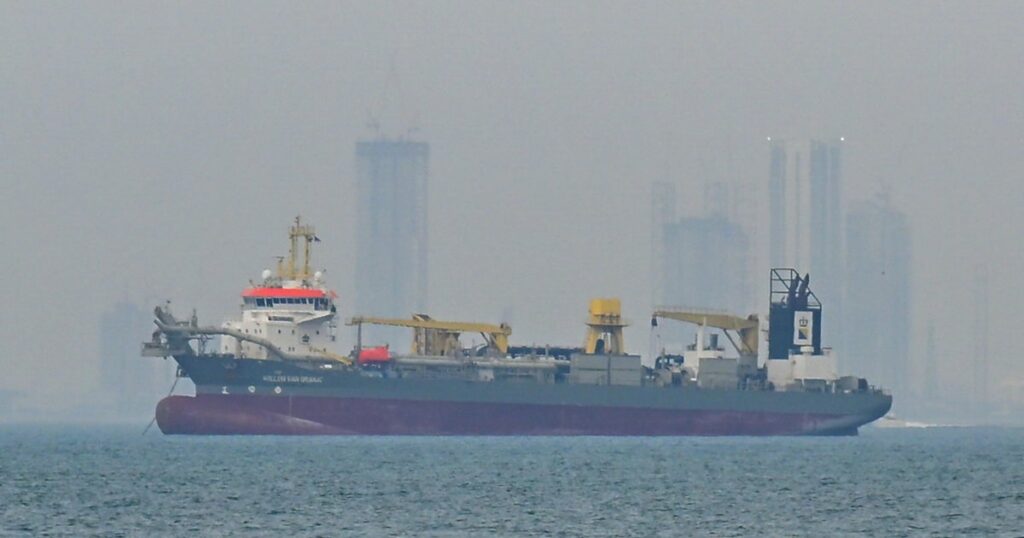
The U.S. government, through the International Development Finance Corporation (DFC), has launched a new initiative to provide political risk insurance for ships navigating the Persian Gulf amid escalating attacks and rising insurance premiums. This program, in partnership with insurer Chubb, aims to ensure the continued flow of energy supplies through the Strait of Hormuz by covering losses up to $20 billion, addressing the withdrawal of private war risk coverage. The move responds to recent vessel attacks that have drastically reduced maritime traffic and driven up global oil prices, though it raises concerns about potential financial risks for American taxpayers and the scope of coverage for non-U.S. ships.
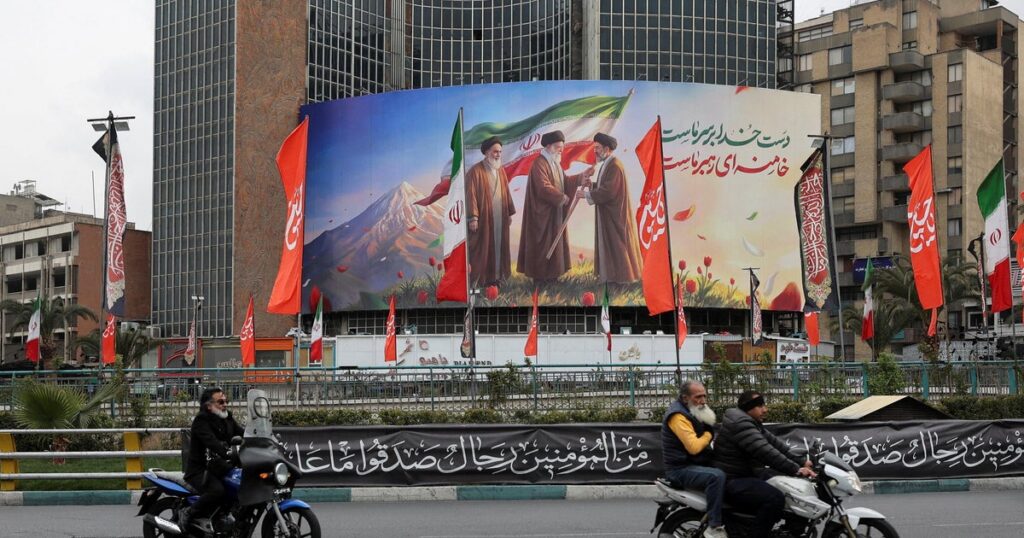
Oil prices have surged due to the escalating Middle East conflict, which has disrupted shipping through the strategic Strait of Hormuz and drawn significant military attention from the U.S. and its allies. Russia has emerged as a key beneficiary of rising energy prices, potentially increasing its oil revenues and military spending amid the ongoing Ukraine war. Meanwhile, the conflict intensifies with attacks on Gulf countries, heightened regional military deployments, and diplomatic efforts to support affected nations and maintain global energy security.
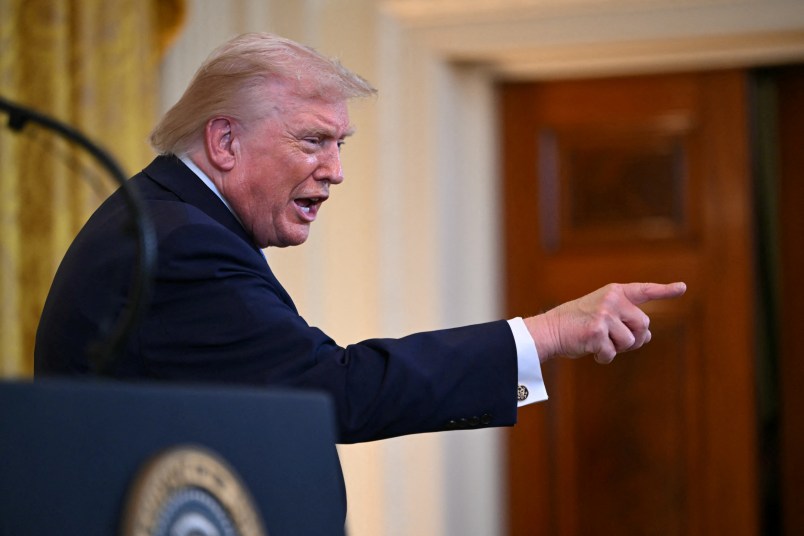
U.S. officials have signaled a shift in their conflict objectives with Iran, focusing on dismantling missile capabilities and nuclear programs rather than regime change, while maintaining a hardline stance. This recalibration comes amid rising oil price volatility driven by disruptions in the Strait of Hormuz, which has heightened concerns over an energy crisis and domestic inflationary pressures. Financial markets have shown mixed reactions, with stock indices rebounding after initial drops and oil prices fluctuating, as geopolitical tensions and economic uncertainties persist.
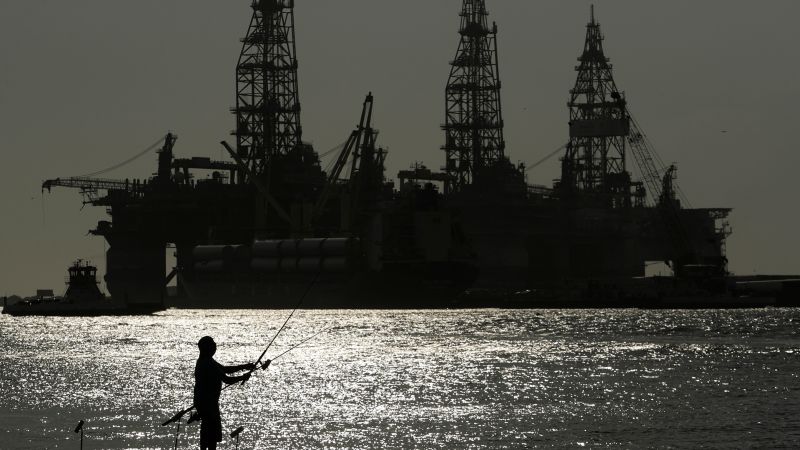
The Biden administration has auctioned off 73 million acres of waters in the Gulf of Mexico to offshore oil and gas drilling, drawing criticism from environmentalists who argue it contradicts the president's campaign pledge to ban new fossil fuel development on public lands. The sale is expected to generate over $1 billion in revenue and major oil companies like Chevron, Shell, and BP are expected to submit the highest bids. The Biden administration has defended the sale, arguing that it will help the U.S. transition to a clean energy economy.

Five people have been arrested in connection with the kidnappings and slayings of four Americans near the Brownsville, Texas border last week. Video of the violent abduction quickly spread online, prompting an apology from the Scorpions faction of the Gulf cartel. Mexican officials have also seized five vehicles, including a Lamborghini stolen on U.S. soil, as part of a joint operation. The five people arrested face charges of aggravated kidnapping and intentional simple homicide.
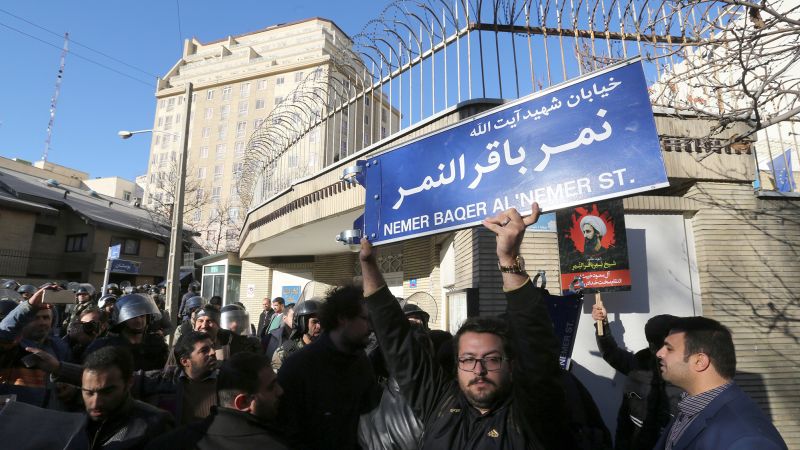
Saudi Arabia and Iran have agreed to reestablish diplomatic ties and reopen embassies after seven years of hostility, mediated by China and attended by representatives from both countries and China's top diplomat. It is hoped that the agreement will help to de-escalate the conflict in Yemen and bring peace to the region, as well as further cooperation between the two countries.