Key takeaways:
- Trump said reported Iranian descriptions of a possible ceasefire deal had “NOTHING” to do with the terms agreed in writing.
- Iranian Foreign Minister Seyed Abbas Araghchi said an “Islamabad Memorandum of Understanding” toward a ceasefire had “never been closer,” while urging media not to speculate.
- U.S. officials said any economic benefits for Iran would depend on Tehran meeting obligations, including reopening the Strait of Hormuz and addressing its nuclear program.
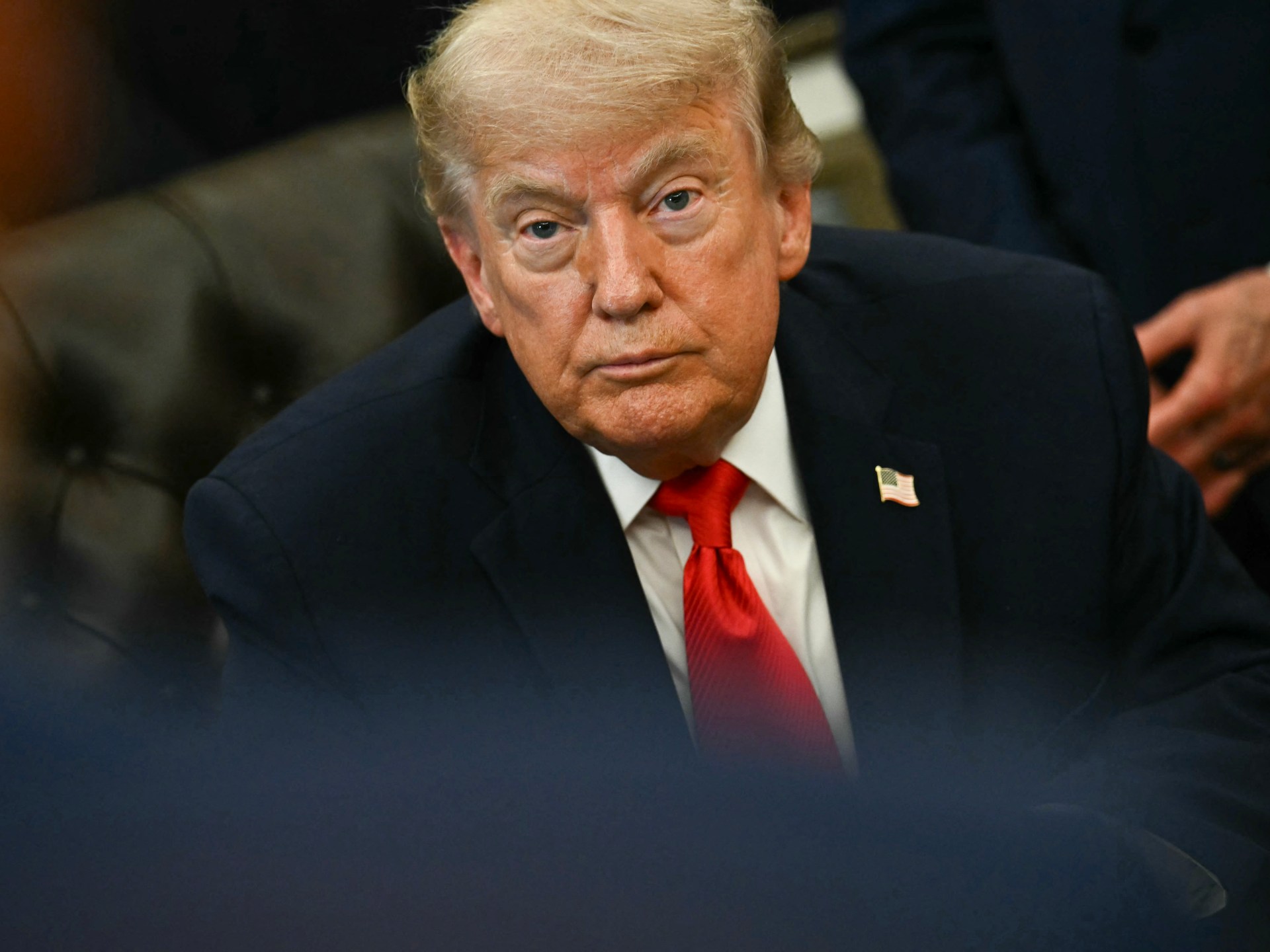
President Donald Trump accused Iran of leaking false terms of a possible ceasefire agreement Friday, denouncing the reported details as “fake news” and saying they had “NOTHING to do with the terms that were agreed to, in writing.”
The remarks came after Iranian media published what they described as key points of an emerging deal aimed at extending a ceasefire and opening negotiations on disputed issues, including Iran’s nuclear program. The reports described terms that reflected several long-standing Iranian demands, including sanctions relief, the release of frozen assets and compensation for damage from U.S. and Israeli strikes.
“Very dishonorable people to deal with. With them, there is no such thing as dealing in good faith,” Trump wrote on Truth Social. In another statement, he said the leaks “bear no relation to the truth” and urged Iran to “get their act together, and FAST!”
Iranian Foreign Minister Seyed Abbas Araghchi said Friday that an agreement had “never been closer,” referring to an “Islamabad Memorandum of Understanding” toward a ceasefire. But he urged media outlets to avoid speculation about its contents until terms are finalized. Trump later posted a screenshot of Araghchi’s message on his own account.
The dispute over the reported terms underscored the uncertainty surrounding talks to end the war, which began Feb. 28 with wide-ranging U.S. and Israeli strikes across Iran. Iran responded with attacks on Israel and U.S.-allied states in the Gulf and effectively closed the Strait of Hormuz, a key shipping route for oil and liquefied natural gas. Although a ceasefire was agreed in April, the United States and Iran have exchanged intermittent fire, including two rounds of tit-for-tat strikes this week.
On Thursday, Trump threatened new attacks before later saying he had canceled them because negotiators had “just made a great settlement” with Iran. He said a deal had been approved and could be signed within days. Iran responded at the time by saying reports of an agreement were speculative and that nothing had been finalized.
Iranian outlets then published alleged details of a deal. Mehr news agency reported that Iran wanted any final agreement endorsed by a U.N. Security Council resolution and said the deal should be limited to “the future of enriched materials and enrichment activities, sanctions relief, and the programme for rebuilding Iran’s economy.” It also said final negotiations should not begin until half of Iran’s frozen assets were released, Iranian oil sanctions were suspended and a naval blockade was lifted.
IRNA, Iran’s state news agency, reported that no new agreement had been reached on Iran’s nuclear program and that negotiations on the issue would begin 60 days after the signing of a memorandum of understanding with the United States. It also said Iran had not agreed to relinquish control of the Strait of Hormuz, and that the preliminary agreement concerned the normalization of passage and maritime security.
The reported terms also included a U.S. commitment to end Israel’s ongoing invasion and offensive in Lebanon, according to IRNA, and at least $300 billion to address damage caused by U.S. and Israeli strikes, according to Iranian media cited by the BBC. Israel is not involved in the talks, which have been mostly mediated by Pakistan.
U.S. officials described the possible agreement differently. A senior administration official told the BBC the deal included the expectation that nuclear material would be destroyed and removed and that Iran’s nuclear program would be dismantled. The official said no Iranian funds would be released until Tehran met U.S. demands, the Strait of Hormuz was reopened and Iran stopped funding groups the United States describes as terrorist organizations, including Hezbollah.
Vice President JD Vance also rejected reports of immediate payments. “Iranians are not receiving any cash, and no funds are being released for simply signing a deal or attending a meeting,” he wrote on X. He said the deal was structured so that U.S. and allied concerns would come first, and that economic benefits would follow only if Iran met its obligations.




Be First to Comment