Key takeaways:
- Biden is heard saying, “I just found all the classified stuff downstairs,” in a February 2017 recording made after he left the vice presidency.
- Special counsel Robert Hur found Biden improperly retained records but did not recommend charges, citing the likelihood that jurors would view him sympathetically.
- Biden’s spokesperson said the conversations were private and called the release an example of the administration “weaponizing the DOJ for political retribution.”
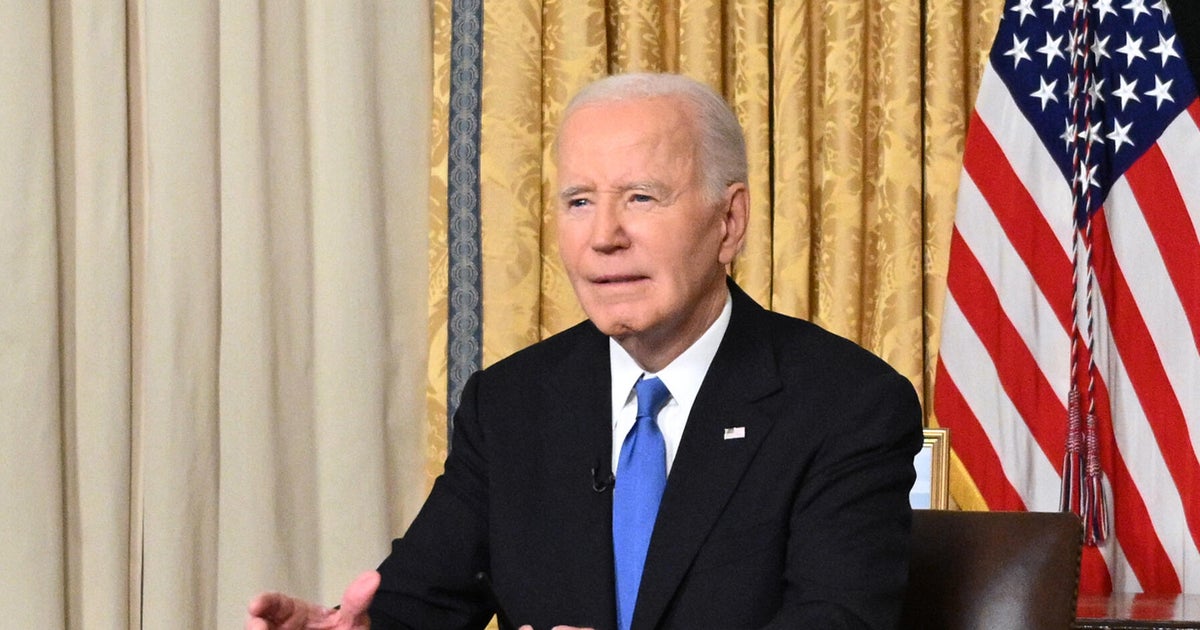
Audio recordings Joe Biden fought to keep private have been released after a lengthy legal fight, revealing moments in which the former president referred to classified material while speaking with the ghostwriter of his 2017 memoir.
The recordings, made as Biden worked with writer Mark Zwonitzer on “Promise Me, Dad: A Year of Hope, Hardship, and Purpose,” were cited in a 2024 special counsel report on Biden’s handling of classified documents. More than two hours of audio were released Monday, according to the BBC, while CBS News said it obtained more than two hours from a larger collection of roughly 70 hours referenced in the report.
At one point, Biden, now 83, is heard telling Zwonitzer: “Some of this may be classified … So, be careful. I’m not sure… It’s not marked classified but —” In another recording, he says: “The next thing I have here is, um, this is classified …”
In a Feb. 16, 2017, recording, about a month after Biden left office as vice president, he says, “I just found all the classified stuff downstairs.” Special counsel Robert Hur cited that remark as evidence that Biden had classified material in his Virginia rental home after leaving office, CBS News reported.
Another recording, from Oct. 10, 2016, captures Biden telling Zwonitzer while still vice president that he had notes the White House did not know about. “I have extensive notes over this period of time… They didn’t know I have this,” he said.
No classified material was alleged to have appeared in the published memoir.
The recordings became a focus of scrutiny after Hur’s February 2024 report, which followed the discovery of documents marked classified from Biden’s vice presidency at his home and private office. Hur investigated whether Biden illegally stored or shared classified information. He found Biden improperly retained records but did not recommend charges.
Hur wrote that the Justice Department would be unlikely to secure a conviction, in part because jurors might view Biden as “a sympathetic, well-meaning, elderly man with a poor memory.” His report also described Biden’s conversations with Zwonitzer as “often painfully slow,” saying Biden struggled to remember events and at times strained to read and relay notebook entries.
The recordings include moments in which Biden speaks haltingly. At one point, he says: “Alright — what was I going to ask you? Something else… Uh… um. Oh gosh. I can’t think of anything else.” CBS News reported that if Biden was struggling with memory during that period, the signs in the tapes are subtle.
Biden denied sharing classified information after Hur’s report was released. “I did not share classified information. I did not share it with my ghostwriter,” he told reporters at the time. He also said he did not know how boxes containing classified documents ended up in his garage.
Biden spokesperson TJ Ducklo criticized the release. “President Biden’s conversations for a book a decade ago that discussed his late son are private, and were provided to the Department of Justice on the express condition they stay that way,” Ducklo said in a statement to CBS News. He called the release “just the latest example of this Administration weaponizing the DOJ for political retribution” and said Biden disagreed with the decision but “respects the courts and the vital role an independent judiciary plays in a healthy democracy.”
The Oversight Project, a conservative nonprofit, sued to obtain the recordings after the Heritage Foundation filed a Freedom of Information Act request in February 2024. House Republicans also sought the tapes, the BBC reported. Biden’s lawyers tried to block release but dropped their effort after legal defeats. CBS News reported that a federal appeals court ruled against Biden on July 20.
Republicans on the House Oversight Committee said redactions in the audio “are intended to cover [Biden’s] disclosure of classified information,” according to the BBC.
The case unfolded after classified materials were also found at Donald Trump’s Mar-a-Lago club. Trump was charged in a separate classified-documents case, but the charges were later dismissed after he returned to the White House. Hur said there were “several material distinctions” between the cases, including that Trump was accused of obstructing justice.












Be First to Comment