Oil futures experienced a sharp surge in trading volume just before President Trump announced "productive" peace talks with Iran, causing oil prices to drop and stock markets to rise, though the timing has raised suspicions of potential insider trading. The ongoing U.S.-Iran conflict has driven significant volatility in oil prices, with Brent and WTI crude rising over 30%, amid disruptions in the Strait of Hormuz and mixed signals about peace negotiations. This geopolitical uncertainty continues to fuel market instability, influencing inflation expectations and central bank policies while prompting offers of mediation and fluctuating investor confidence.
Posts published in “Financial”
OpenAI announced it will discontinue its Sora AI video app and API due to declining popularity and a strategic shift toward robotics research focused on real-world physical tasks. Despite Sora’s initial success and a major partnership with Disney, the app faced controversies over copyright and misuse of likenesses, contributing to its challenges. The closure aligns with OpenAI’s broader refocusing efforts following a massive funding round and plans for an upcoming IPO, prioritizing projects with greater impact potential.
Amid escalating conflict between Iran and Israel following U.S. and Israeli strikes, diplomatic efforts involving indirect talks facilitated by Pakistan and other regional players have reportedly begun, though official confirmations remain pending. The war has caused over 2,000 deaths, displaced millions, and disrupted global energy markets, pushing Brent crude oil prices above $100 a barrel amid fears of supply shortages. Despite ongoing hostilities marked by missile strikes and air raids, U.S. President Donald Trump expressed cautious optimism about potential negotiations, while regional tensions and economic risks continue to mount.
The United States is experiencing a worsening housing affordability crisis driven by factors such as restrictive zoning, high construction costs, and policy challenges, with recent bipartisan legislation facing uncertainty due to political disputes. Although the Trump administration has taken steps like reducing building regulations and expanding incentives for low-income housing, critics argue that rollbacks of civil rights protections and cuts to social programs undermine housing security for marginalized communities. This crisis reflects broader economic inequality, as wealth gains concentrate among the top 1% while many Americans struggle with rising living costs, exacerbating social and political tensions ahead of upcoming elections.
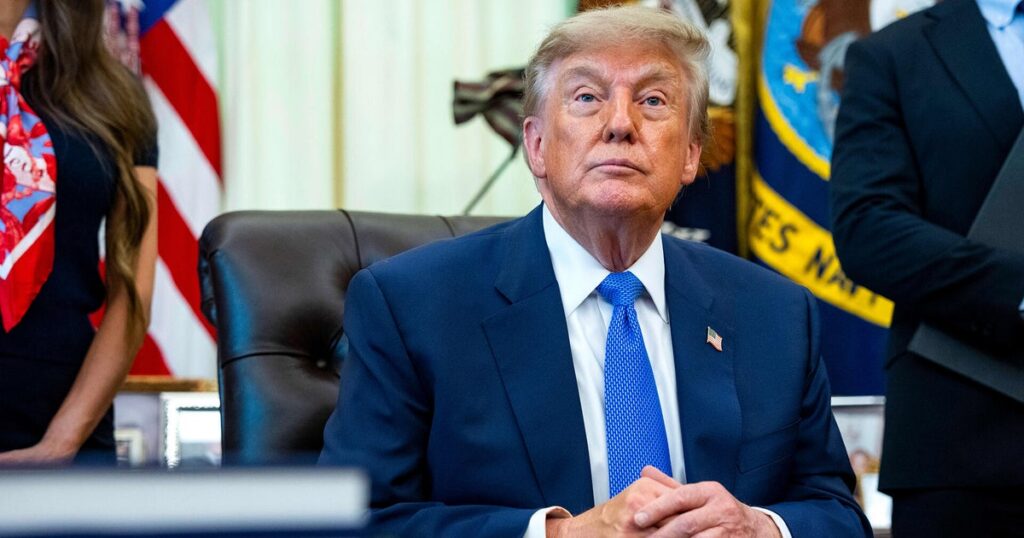
President Donald Trump announced a five-day postponement of planned airstrikes on Iran’s energy infrastructure, citing productive talks aimed at reopening the strategically vital Strait of Hormuz. While Trump claimed progress in negotiations, Iran denied any direct communication and viewed the delay as a tactic to lower energy prices and prepare militarily. The situation remains tense, with global energy prices surging and experts warning that the coming days will be crucial in determining whether diplomacy will de-escalate the conflict or if hostilities will intensify.
President Donald Trump postponed his ultimatum for Iran to reopen the Strait of Hormuz, citing ongoing "good and productive" negotiations amid escalating regional tensions and threats of military strikes. Iran denied direct talks with the U.S., accusing Washington of initiating the conflict and dismissing claims of missile attacks, while international markets reacted positively to the delay with rising stock futures and falling oil prices. The conflict has caused significant casualties in Iran, prompted internal crackdowns, and led to cautious diplomatic responses, with U.S. officials defending their hardline stance as necessary to de-escalate the situation.
U.S. stock markets surged on Monday after President Donald Trump announced a five-day delay in military strikes on Iranian power plants, easing fears of immediate conflict amid tensions over the Strait of Hormuz. The announcement led to a sharp decline in oil prices, though crude remains significantly higher than pre-conflict levels, contributing to rising gasoline costs in the U.S. Despite the temporary de-escalation, Iranian officials rejected dialogue with Washington, maintaining a tense diplomatic standoff.
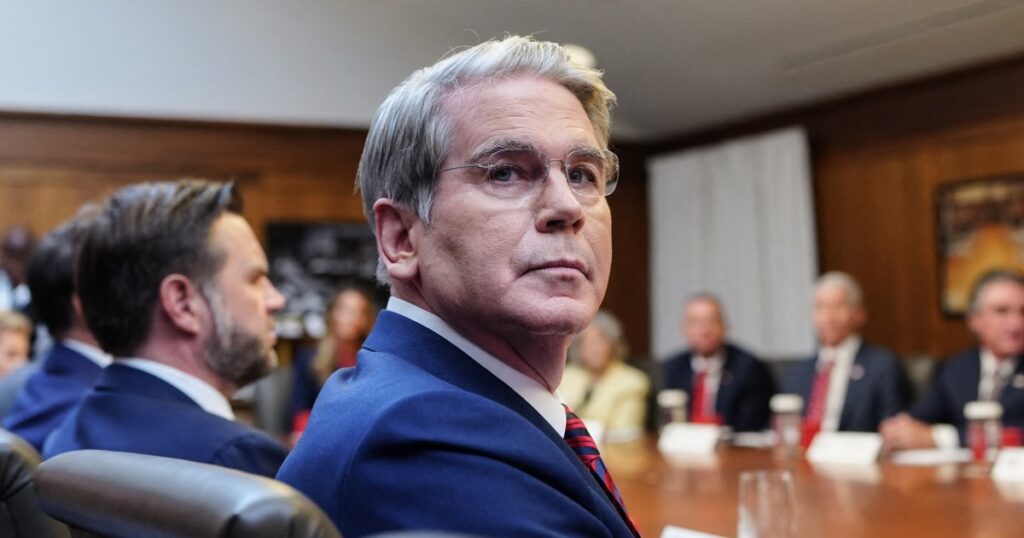
The U.S. Treasury Department has temporarily eased sanctions on Iranian oil shipments already at sea to help lower soaring global energy prices, allowing purchases of oil loaded before a specified deadline until April 19. This narrowly tailored move aims to increase supply without significantly benefiting Iran financially, marking a shift from previous maximum pressure policies amid ongoing tensions and geopolitical conflicts affecting oil markets. However, experts remain skeptical about the relief’s effectiveness, while high fuel costs continue to impact industries like aviation, prompting operational adjustments and discussions of increased security measures in critical shipping routes.