Key takeaways:
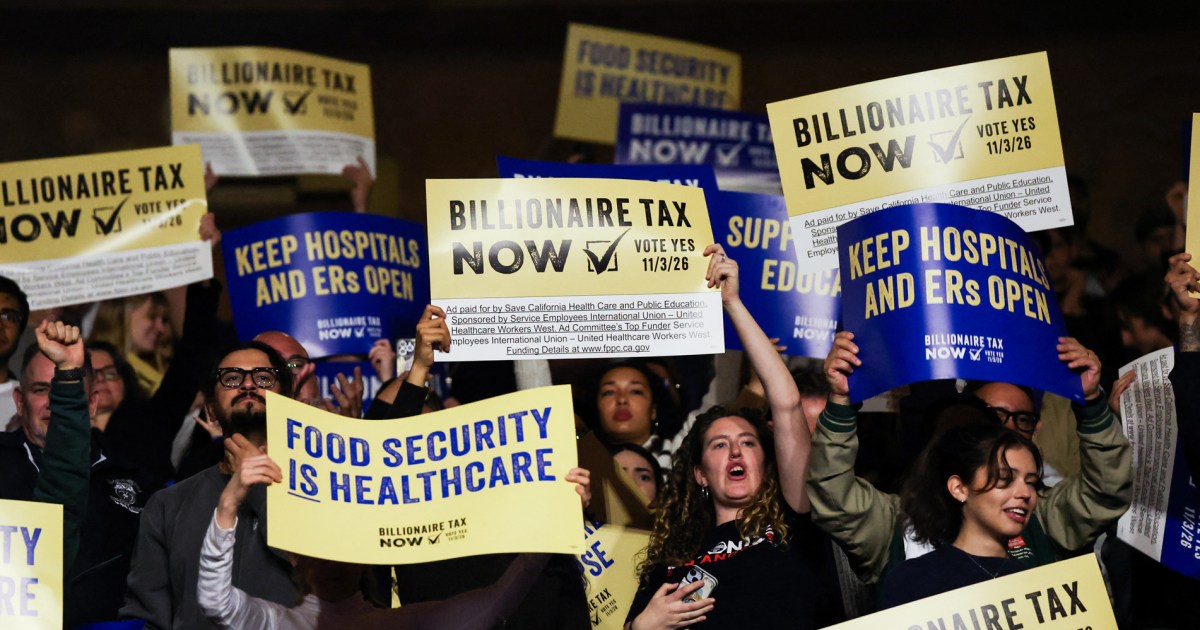
- California officials verified enough signatures for the billionaire tax proposal to qualify for the November ballot.
- Supporters led by SEIU-United Healthcare Workers West have until June 25 to decide whether to move forward with the initiative.
- The proposal would direct 90% of new revenue to health care and split the remaining 10% between education and food assistance programs.
A proposal to impose a one-time wealth tax on California’s richest residents has qualified for the November ballot, setting up a potentially costly political fight over taxes, health care funding and the future of the state’s economy.
California Secretary of State Shirley Weber said Wednesday that elections officials had verified enough signatures submitted by supporters to make the measure eligible for the fall ballot. The Guardian reported that the campaign cleared the required threshold of 874,641 signatures.
The measure, known as the California Billionaire Tax Act or the billionaire tax, is backed by Service Employees International Union-United Healthcare Workers West, a major California health care workers union. Supporters still have until June 25 to decide whether to move forward with the ballot campaign, and negotiations have been underway for months among unions, lawmakers and other groups seeking a possible deal that could keep the initiative off the ballot.
The proposal has split prominent Democrats and drawn fierce opposition from parts of California’s technology industry. Gov. Gavin Newsom opposes the measure and has warned that it could drive businesses and wealthy residents out of the state. Earlier this year, he told The New York Times he would “do what I have to do to protect the state.” Former Health Secretary Xavier Becerra, the leading candidate to succeed Newsom as governor, also opposes the tax.
Supporters include Rep. Ro Khanna and billionaire activist Tom Steyer, who argue the proposal would help reduce income inequality. Proponents have also said the revenue could help offset state budget shortfalls tied to Medicaid cuts in the “big, beautiful bill” President Donald Trump signed into law last year.
The measure would place a one-time tax on the assets of California’s wealthiest residents. NBC News reported that it would impose a 5% tax on Californians whose net worth exceeds $1.1 billion, with a smaller tax on individuals worth between $1 billion and $1.1 billion. The Guardian described the proposal as a one-time 5% tax on any California resident worth more than $1 billion. NBC News reported that the taxes would apply retroactively to anyone living in the state as of Jan. 1, 2026.
Under the proposal, 90% of the new revenue would go to health care, while the remaining 10% would be divided between education and food assistance programs. That allocation has angered some Democratic groups that advocate for education and food assistance.
The fight has already drawn large sums from wealthy opponents. The Guardian reported that Google co-founder Sergey Brin has spent $82 million on efforts to defeat the tax and has joined other Silicon Valley billionaires in saying he would leave California if it passes. Other tech figures who have made major political donations to groups opposing the proposal include Palantir co-founder Peter Thiel, crypto billionaire Chris Larsen and Ring founder James Siminoff.
The Guardian also reported that Google co-founder Larry Page has made moves to cut ties with California as the measure gained momentum. Opponents argue the tax would push investors and technology leaders out of the state. Supporters frame it as a way to require the ultra-rich to contribute more toward public services.
If the campaign proceeds, voters will decide the measure in November.














Be First to Comment