Key takeaways:
- The lawsuit asks the U.S. Court of International Trade to halt the tariffs, declare them unlawful and order refunds for duties already paid.
- The tariffs, imposed under Section 301 of the Trade Act of 1974, range from 10% to 12.5% and apply to goods from 59 countries and the European Union.
- The White House says the tariffs address forced-labor import practices, while the states argue that rationale is a pretext for reviving import taxes struck down by the Supreme Court.
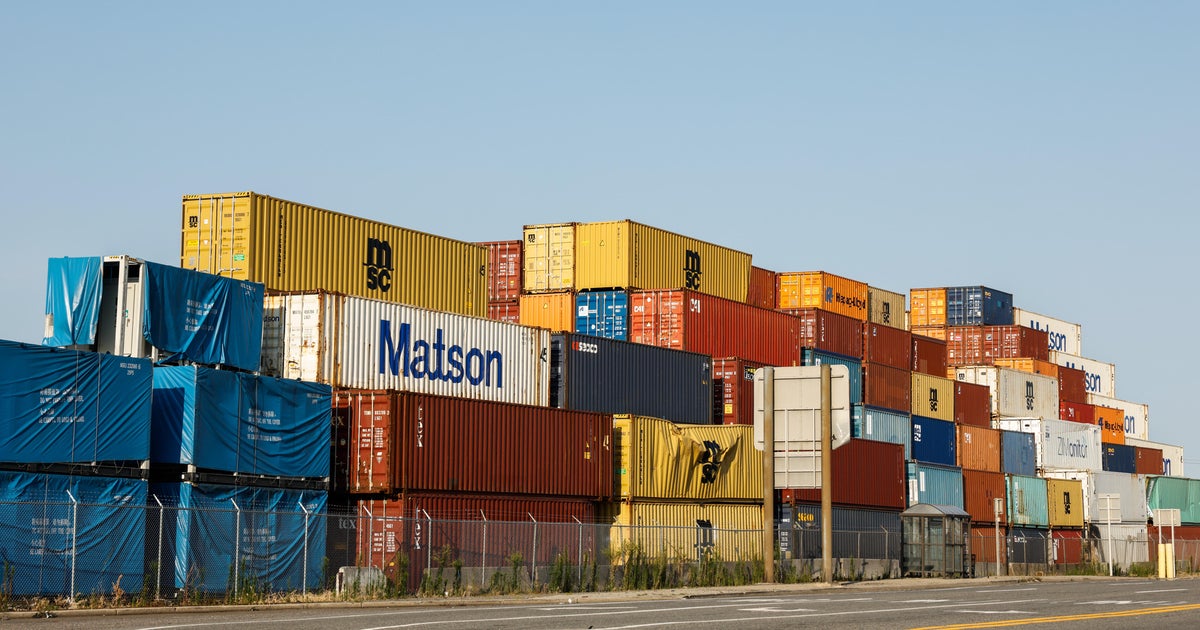
A coalition of 25 states sued the Trump administration Monday, asking a federal trade court to block a new round of tariffs on goods from 60 trading partners and to order refunds for duties already paid.
The lawsuit, filed in the U.S. Court of International Trade, challenges import duties that took effect in July under Section 301 of the Trade Act of 1974. The tariffs range from 10% to 12.5% and apply to 59 countries and the European Union, accounting for 99.4% of U.S. imports, according to the states involved in the case.
The Trump administration has said the levies are aimed at trading partners that have not done enough to stop imports of goods produced with forced labor. Section 301 allows a president to impose tariffs and other sanctions on countries found to engage in unfair trade practices.
The states argue the administration is using forced labor as a pretext to revive sweeping import taxes after earlier tariffs were struck down by the Supreme Court in February. They are asking the court to halt the tariffs, declare them unlawful and require the government to return duties already collected.
“This is President Trump’s third attempt to illegally impose tariffs that would make life more expensive for American families and small businesses, and this is the third time we’re taking the administration to court over this misuse of power,” California Attorney General Rob Bonta said in a statement.
Bonta added: “Tariffs are taxes, and the American people cannot and should not shoulder the extra costs that come from the president’s failed and illegal economic policy — no matter how much the President wants them to.”
New York Attorney General Letitia James also criticized the tariffs, saying, “After losing at the Supreme Court, the administration is once again trying to illegally raise taxes on families and businesses with a new round of tariffs.”
“No matter how the administration tries to justify it, the law and our Constitution are clear that the president does not have the power to impose sweeping tariffs on whatever countries he wants,” James said.
White House spokesman Kush Desai defended the policy in a statement, saying the administration is acting within the law.
“The United States is using its lawful authority to obtain the elimination of unreasonable acts, policies and practices that burden U.S. commerce,” Desai said. “A foreign country’s failure to impose and effectively enforce a prohibition on the importation of goods produced with forced labor is unreasonable and burdens U.S. commerce, including American workers, and must be addressed. Section 301 tariffs have proven to be a legally durable tool since the president’s first term, and they remain so now.”
The lawsuit says the administration’s investigation, conducted by the Office of the U.S. Trade Representative, was rushed and overly broad. New York Gov. Kathy Hochul and James said in a joint statement that the tariffs based on “a supposed investigation into countries’ efforts to combat forced labor do not satisfy the requirements of Section 301.”
Hochul said the tariffs are “nothing more than a tax on hardworking families, driving up the cost of groceries, household essentials, building materials, and countless everyday goods that New Yorkers rely on.”
The states joining the case include Arizona, California, Colorado, Connecticut, Delaware, Hawaii, Illinois, Massachusetts, Maryland, Maine, Michigan, Minnesota, Nevada, New Jersey, New Mexico, New York, North Carolina, Oregon, Rhode Island, Virginia, Vermont, Washington and Wisconsin, along with Kentucky and Pennsylvania through their governors. CBS News reported Kentucky and Pennsylvania among the states joining the suit.
The latest tariffs affect major trading partners including Canada, Japan, Norway, Taiwan and China, The Guardian reported. The case follows a separate lawsuit filed by the Liberty Justice Center on behalf of two U.S. small businesses that also argue Trump exceeded his executive authority.
Trump has said tariffs are needed to revive U.S. manufacturing, reduce the trade deficit and raise federal revenue. The U.S. effective tariff rate has fallen this year to 7.4%, from 9.4%, after the administration replaced temporary Section 122 duties with Section 301 tariffs on imports from 60 economies, according to Fitch Ratings.











Be First to Comment