Key takeaways:
- Charles Spencer claims the future King Charles said “We’ll forget her soon enough” during a dispute over Diana’s funeral procession.
- Buckingham Palace said the King is mindful that “fraternal grief” can affect memory and judgment many years after a loss.
- Spencer said he opposed William and Harry walking behind Diana’s coffin and described the decision as “barbaric.”
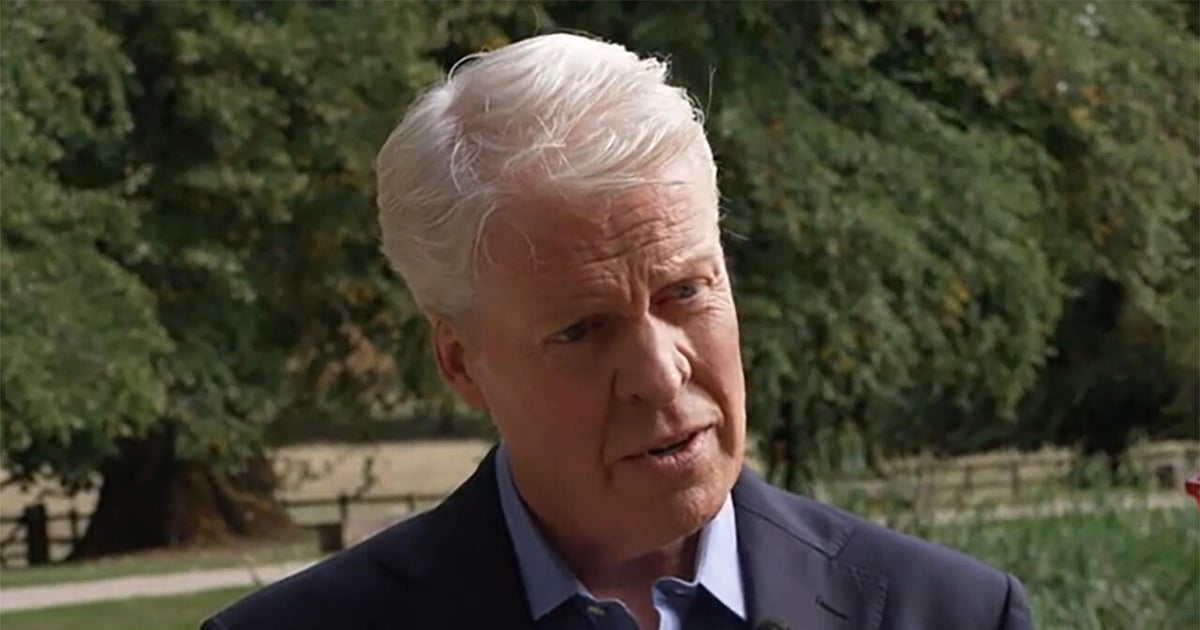
Charles Spencer says his new memoir about Princess Diana is his final attempt to set down what he saw and heard before, during and after the turmoil that followed her death — including a disputed claim that the future King Charles said, “We’ll forget her soon enough.”
The 9th Earl Spencer, Diana’s younger brother, has drawn a sharp response from Buckingham Palace ahead of Tuesday’s publication of “Swan Song: Diana, My Sister” by Penguin Press. Speaking to the BBC, Spencer said writing the book was his “duty… as an eyewitness to history” and that he wanted “to put things down once and for all that were true.”
The most striking allegation centers on a call Spencer says he had with Charles after Diana died in a Paris car crash on Aug. 31, 1997. Spencer said the two argued over whether Princes William and Harry should walk behind their mother’s coffin in the funeral procession.
According to Spencer, Charles told him he had walked behind Lord Mountbatten’s coffin. Spencer said he replied, “Yes, but you were 30 and he wasn’t your mother.” Spencer told the BBC that Charles then went “ballistic” and “ranted for a while” before saying, “We’ll forget her soon enough.”
“I really was so stunned and after a stunned silence I said ‘I can not believe you just said that’ and I hung up on him,” Spencer said. In a separate CBS interview, he described the remark as delivered “with a bit of a hiss.”
Buckingham Palace responded in a statement: “While we do not comment on books as a matter of principle, His Majesty is mindful that the pain of fraternal grief can cloud reason, affect judgment and colour memory in ways others do not recognise, even many years after such a loss.”
Spencer rejected that suggestion in his BBC interview. “I can tell you here and now, those are exactly the words he said,” he said. “I don’t hear him saying he didn’t say that.” He said he told “close friends and family” about the comment and added that it “will not be a surprise” to William and Harry.
Spencer also described receiving the news of Diana’s death while he was in South Africa. He said his sister Lady Jane Fellowes first called to say Diana had been in a crash but that “it’s not too serious.” More calls followed. “It started… as a little prang, and then it became a broken leg, perhaps a head injury, and then death,” he told the BBC.
He said Charles later called him from Balmoral Castle and described telling William and Harry their mother had died. Spencer said he felt “there was a sort of giddy tone” and told CBS that Charles “sounded excited in a sort of upbeat way.” In the book, according to the BBC, Spencer compares the tone to that of a “lottery winner” and suggests it may have reflected Charles feeling free to pursue Camilla, now queen. Asked whether he could know that was what Charles was thinking, Spencer said, “I cannot be sure.”
Spencer said he opposed the decision to have William and Harry walk behind Diana’s coffin, calling the idea “barbaric” in the CBS interview. He said he believed the decision was intended to protect Charles from possible public hostility. “There was a concern that if he walked alone behind Diana’s coffin, that he would be insulted by people in the crowd,” he said.
The earl, 62, said the book is “a brother’s tribute, a loving tribute to a sister” and described it as his “sign off” on Diana. He also said he worries about Prince Harry’s security and sees “echoes” of Diana’s treatment in current tabloid coverage of Harry and Meghan. On the relationship between William and Harry, he said he takes neither side: “I’m on my deceased sister’s sons’ side, both of them.”






Be First to Comment