Key takeaways:
- Charles Spencer claims King Charles said “we’ll forget her soon enough” when Spencer objected to William and Harry walking in Diana’s funeral procession.
- Buckingham Palace said it does not comment on books but added that “fraternal grief can cloud reason, affect judgment and colour memory.”
- Spencer’s memoir, “Swan Song: Diana, My Sister,” is due to be published next week and includes claims about Diana’s marriage, mental health and final years.
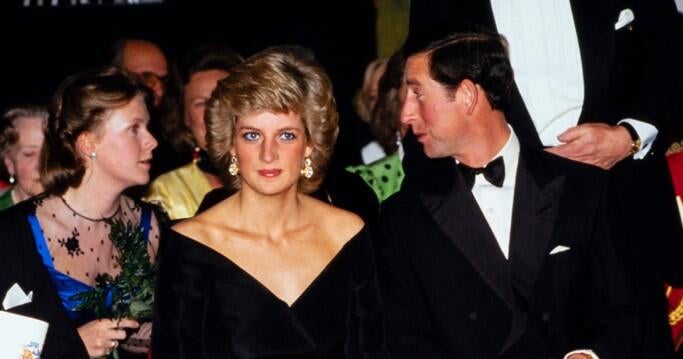
Princess Diana’s brother has accused King Charles III of showing contempt for his former wife in the hours and days after her death, including an alleged remark that “we’ll forget her soon enough,” claims Buckingham Palace has pushed back against as shaped by grief and memory.
Charles Spencer, Earl Spencer, makes the allegations in “Swan Song: Diana, My Sister,” a book due to be published next week. Excerpts have appeared in the Daily Mail, and Spencer is also set to discuss the book in an interview with CBS News’ “CBS Sunday Morning.”
“I felt it my duty to lay out the true story of Diana in one book,” Spencer told CBS News.
Diana, Princess of Wales, died in a car crash in Paris on Aug. 31, 1997. Spencer writes that after her death he objected to plans for her sons, Princes William and Harry, then 15 and 12, to walk behind their mother’s coffin during her funeral procession. The boys ultimately did so, creating images that became among the most enduring of the funeral.
According to excerpts reported by CBS News and the BBC, Spencer says the then-Prince Charles responded to his objection by questioning his family’s sense of duty and saying: “Rest assured, we’ll forget her soon enough.” Spencer accuses the future king of having “contempt” for Diana.
Buckingham Palace responded Wednesday with a statement that did not directly accuse Spencer of lying but challenged the reliability of his account.
“While we do not comment on books as a matter of principle, His Majesty is mindful that the pain of fraternal grief can cloud reason, affect judgment and colour memory in ways others do not recognise, even many years after such a loss,” a palace spokesperson said.
The BBC reported that Buckingham Palace later pointed back to that same response when asked about additional claims in the book. Representatives for Prince Harry told the BBC they did not want to comment.
In another excerpt reported by the BBC, Spencer describes receiving news of the Paris crash while he was at his home in Cape Town, South Africa, in a middle-of-the-night call from his sister Jane. As calls followed confirming Diana’s death, Spencer writes that Charles phoned him and sounded markedly different from others who had contacted him.
“Unlike my other callers, who were stunned, barely able to articulate their condolences and offers of help, he sounded giddily elated — like a lottery winner, I remember thinking at the time,” Spencer writes, according to the BBC.
Spencer says Charles told him he had informed William and Harry of their mother’s death first thing that morning in their bedrooms at Balmoral. Charles and Diana had divorced in August 1996.
The memoir also revisits Diana’s marriage. According to the BBC, Spencer claims a friend of Diana’s told him Charles said on the eve of their July 1981 wedding that he was “very happy to marry her, but… not actually in love with her.” Spencer writes that the marriage became “very difficult indeed” early on and says he is “sure that both spouses despaired of the other at times.”
Spencer also writes that he now believes Diana had attention deficit hyperactivity disorder and suffered from Rejection Sensitive Dysphoria, which he describes as “intense emotional pain in the face of others’ rejection or criticism.” In her later years, he says, Diana considered taking her own life more than once, but love for her sons “stopped her from going further,” according to the BBC.
The public response to Diana’s death in 1997 became a major crisis for the royal family, which faced criticism that it failed to grasp the scale of public grief. Roya Nikkhah, CBS News royal contributor and royal editor for The Sunday Times, said the new claims could renew pressure on the palace.
“They will never be able to lay Diana to rest,” Nikkhah said, “because the memory of her continues to occasionally haunt the royal family.”





Be First to Comment