Key takeaways:
- About 2.5 million people are eligible to vote in Berlin and nearly 1.3 million in Mecklenburg-Western Pomerania.
- ZDF polling cited by Al Jazeera put the CDU at 6% in Mecklenburg-Western Pomerania, just above the 5% threshold for entering parliament.
- Merz’s approval ratings have fallen to about 14%, according to polls cited by Al Jazeera, as speculation grows over his leadership.
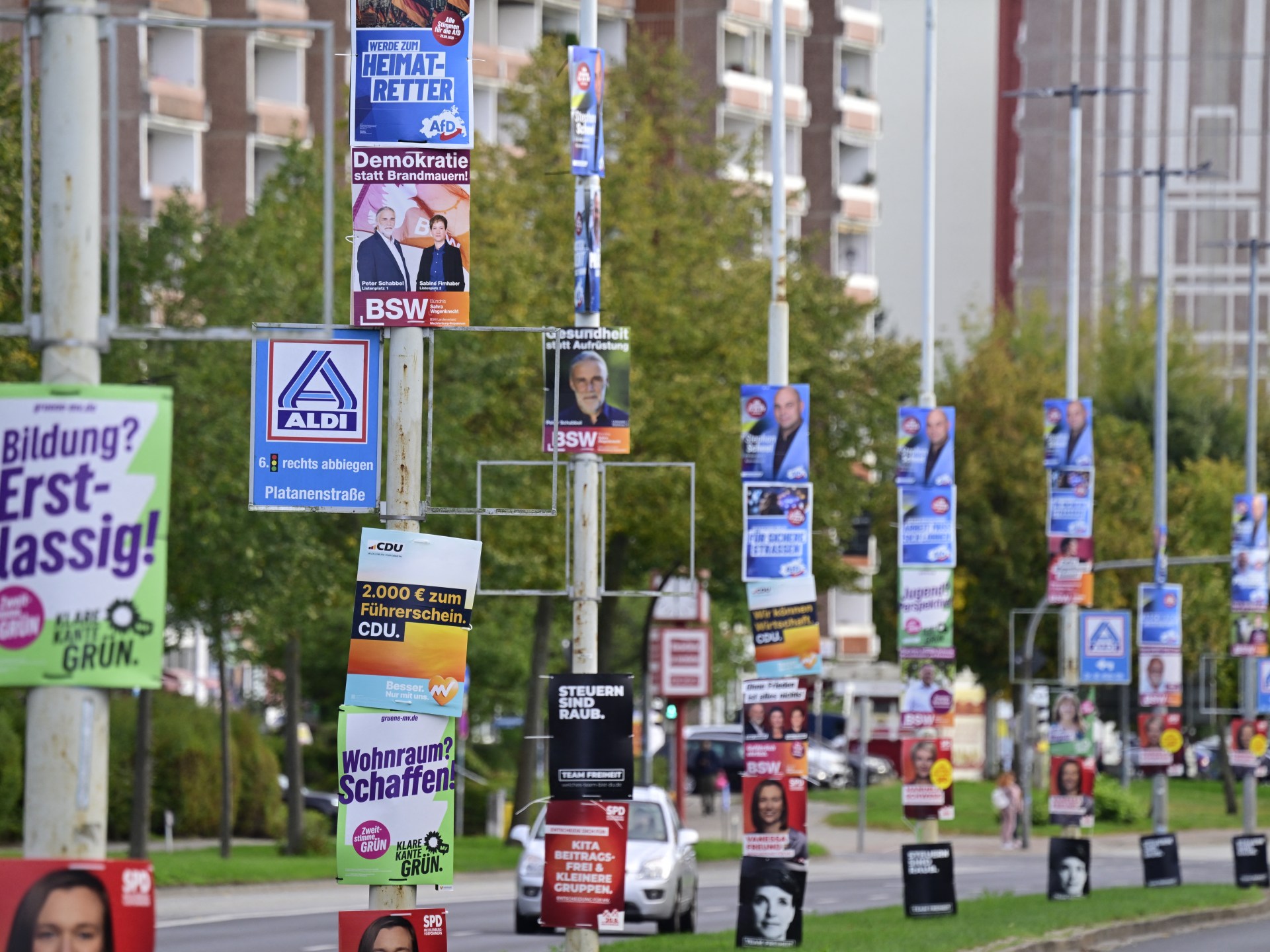
Voters in Berlin and Mecklenburg-Western Pomerania cast ballots Sunday in state elections that could deepen pressure on German Chancellor Friedrich Merz, whose Christian Democratic Union is facing the prospect of damaging setbacks after 16 months in power.
The votes come two weeks after the far-right Alternative for Germany defeated the CDU in Saxony-Anhalt, where the AfD fell just short of an absolute majority that would have allowed it to govern alone. The CDU’s vote there was halved, intensifying speculation in Germany over whether Merz could be replaced mid-term if his party’s standing does not improve.
Merz has said he will carry on. But AFP, cited by Al Jazeera, reported that he scheduled a CDU crisis meeting, skipped this week’s United Nations General Assembly meeting in New York and cleared his calendar to handle any fallout from the elections. The BBC reported that he was due to meet senior party figures in Berlin on Sunday evening after canceling a planned New York trip.
About 2.5 million people are eligible to vote in Berlin and nearly 1.3 million in Mecklenburg-Western Pomerania. Polls opened at 8 a.m. local time and were set to close at 6 p.m.
In Berlin, polls show the CDU at risk of losing power as it competes with Die Linke, or The Left, for first place. Die Linke has campaigned on strong measures to address the city’s housing crisis and has support among young voters. Al Jazeera reported that a CDU defeat in the capital would be another blow to Merz, particularly against a party that wants to curb corporate power and leans toward Moscow.
In Mecklenburg-Western Pomerania, the CDU has been polling just above the 5% threshold needed to enter the state parliament, raising the possibility of its worst-ever result in a state election. Public broadcaster ZDF put the CDU at 6%, with the main contest between the SPD and AfD: 37% for the centre-left Social Democrats and 36% for the AfD, according to Al Jazeera.
The SPD’s lead candidate there is state premier Manuela Schwesig, who has made a late push by presenting herself as the main obstacle to an AfD win. She has called herself “Die Frau gegen Blau” — “Woman against Blue” — a reference to the AfD’s party color. Her local standing contrasts with the weaker national position of the SPD, which governs in an uneasy coalition with Merz’s CDU.
The AfD has built support with an anti-immigration, Russia-friendly, Germany-first agenda, especially in the former communist east. Some branches of the party are classified as right-wing extremist by domestic intelligence, a designation the AfD strongly rejects.
At an AfD campaign event in Neubrandenburg, supporter Reinhart told the BBC that traditional parties were being swept away. “Not only in Germany. In Italy, in France, in Great Britain. Everywhere the traditional parties go down,” he said. Asked about Merz, he said, “He is arrogant, out of touch, not on the same level as the general public.”
Merz’s approval ratings have fallen to about 14%, according to polls cited by Al Jazeera. He has struggled to advance promised economic and welfare reforms with the SPD, while Germany faces a long-stuttering economy, high energy costs and divisive debates over immigration.
Within the CDU, no one has openly challenged him for the chancellorship, but discontent has become more visible. Martin Rohloff, the CDU candidate for Neubrandenburg, told the BBC that Merz lacks “Fingerspitzengefühl,” or a feel for ordinary people. “Maybe he wants the right things,” Rohloff said, but “he cannot communicate well.” Asked if Merz should go, he replied: “If I have to answer yes or no, I would say yes.”
Earlier this week, leaders of eight German states backed Merz and said restoring trust in the CDU required “listening and taking political action, not in debates over personnel.” His government is preparing economic, tax and welfare reforms expected to go before parliament this autumn.









Be First to Comment