Key takeaways:
- The AfD is polling above 40 percent in Saxony-Anhalt, ahead of the CDU at just above 20 percent, according to Al Jazeera.
- Ulrich Siegmund, a 35-year-old former marketing professional and former CDU member, is the AfD’s lead candidate in the state election.
- The AfD platform calls for abolishing the right to asylum, confiscating asylum seekers’ cash and assets, and carrying out mass deportations.
Germany’s far-right Alternative for Germany is heading into Sunday’s Saxony-Anhalt election with a wide polling lead, raising the prospect that it could become the first far-right party to lead a German state government since World War II.
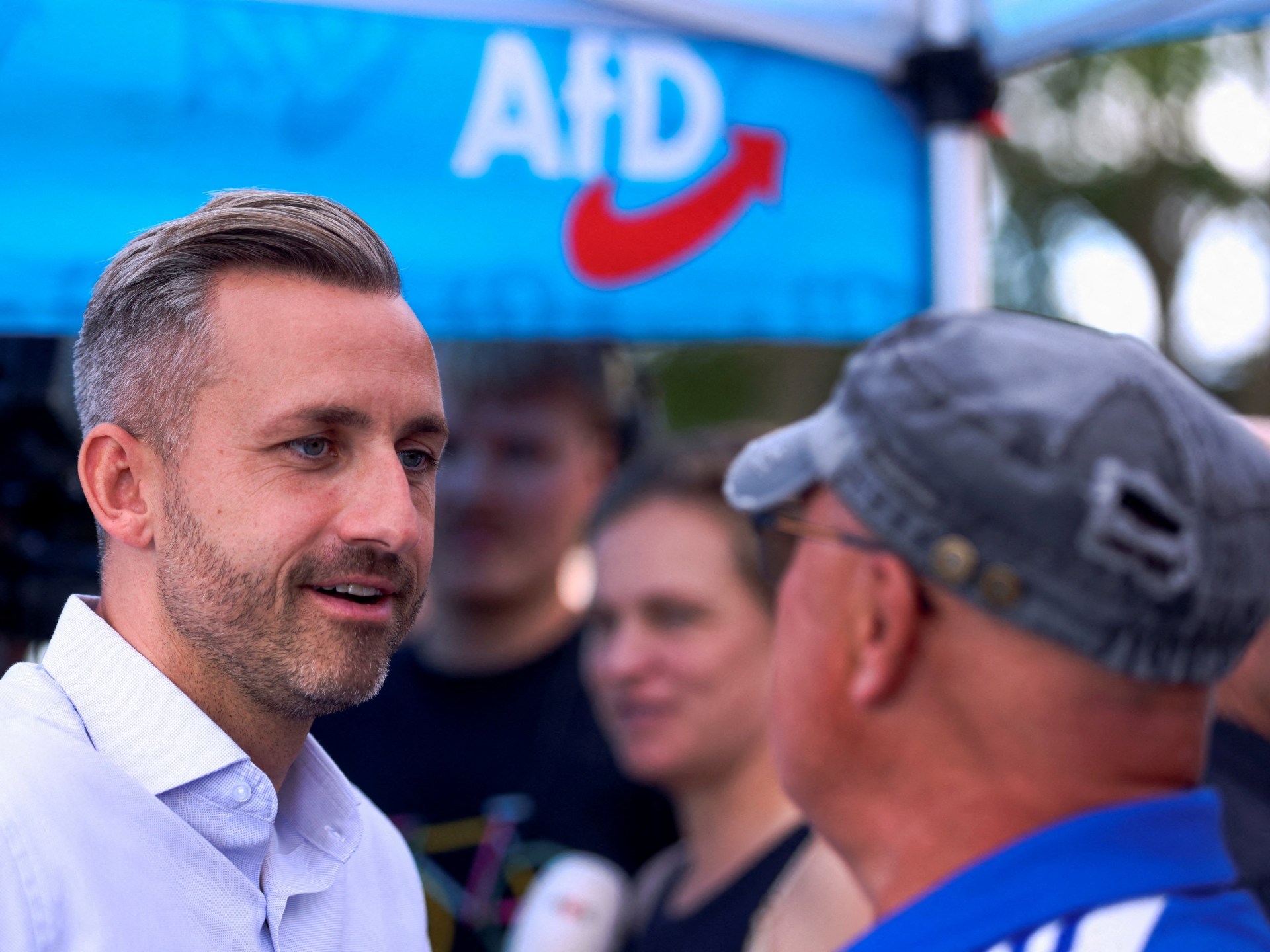
The AfD’s lead candidate, Ulrich Siegmund, has put a polished face on one of Germany’s most hardline political movements. A 35-year-old former marketing professional and former member of the conservative Christian Democratic Union, Siegmund has built a large following on TikTok, where he answers voters’ questions and projects an upbeat campaign style that contrasts with the darker tone often associated with his party.
The AfD is expected to win more than 40 percent of the vote in Saxony-Anhalt, Al Jazeera reported, far ahead of the CDU at just above 20 percent. The Left Party is polling at 12 percent, followed by the Social Democrats at 7 percent and the Greens at 5 percent. Depending on which smaller parties enter parliament, other parties could still potentially form a majority without the AfD. But Chancellor Friedrich Merz of the CDU has ruled out cooperation with both the AfD and the Left Party.
The stakes are high for Germany’s political establishment. The AfD has been classified as right-wing extremist by domestic intelligence authorities in several German states, and in Saxony-Anhalt it has been classified as “far-right extremist” by the domestic intelligence service. Der Spiegel has dubbed Siegmund “Germany’s most dangerous man,” according to Al Jazeera.
Immigration is central to the AfD campaign. In its election platform, titled “The Country First,” the party calls for abolishing the right to asylum, confiscating cash and assets from asylum seekers and carrying out mass deportations. The platform also says “culturally foreign” health workers often fail to meet German medical standards and “endanger patient well-being,” NPR reported.
Siegmund has echoed the theme in more concise terms. In a TikTok post cited by NPR, he said it was “unacceptable that our doctors are leaving for Switzerland, Norway, or elsewhere because they cannot tolerate the conditions here, while we bring in doctors from India or other places to replace them.”
Some voters say the AfD’s message is drawing them in. Mario Jung, a 59-year-old banking clerk in Magdeburg who previously voted CDU, told Al Jazeera he would back the AfD because of the economy and immigration. “I am a conservative, and the main reason for me to vote for the (far-right) AfD is the economy,” he said. On migrants, he added: “All illegal immigrants, those whose applications have been denied, and criminal immigrants as well – they have to be deported; there is no question about it.”
In Halle, aviation engineer Alexander Winsek told NPR he was considering voting for the AfD for the first time. “I think the AfD has some very good ideas, like limiting the influx of migrants,” he said, while adding that he supports staying in NATO, keeping the euro and is “not exactly pro-Russia.” He said Siegmund’s optimism made him stand out.
Others are trying to challenge the party’s appeal directly. Hannes Kreschel, a 23-year-old law student and former AfD voter, attends AfD rallies to question supporters on camera about the gap he sees between the party’s campaign and its policies. “They try to hit the microphone and they try to hit me,” he told NPR. “Of course we’re confronting them with facts, but I try to be nice because I think you should separate the people from their talking points.”
Kreschel said he turned away from the AfD after reading its policies. “I figured out that this is not the country I would like to live in,” he said. “I would like to live in an open country which is friendly and not full of hate.”
Analysts cited by the outlets point to several reasons for the AfD’s rise, including dissatisfaction with the federal government, economic conditions and concerns about immigration. Thomas Biebricher, a professor at Goethe University Frankfurt, told Al Jazeera the party had also nominated “a lead candidate who is doing a very good job.” Martin Schroder, a professor at Saarland University, said his research found that “concerns about immigration explain support for the AfD nearly 10 times as much as actual or perceived economic disadvantage.”
Marcel Lewandowsky of Martin Luther University Halle-Wittenberg told NPR that polls show the largest share of AfD voters are pro-democracy but believe democracy is not functioning in Germany. The AfD, he said, promises voters “real” democracy, making it difficult for other parties to counter without appearing like the establishment the AfD campaigns against.







Be First to Comment