Key takeaways:
- New Hampshire voters cannot use student IDs as primary or backup evidence of identity when requesting ballots in the Nov. 3 election.
- The Supreme Court granted the state’s emergency request after a federal judge blocked guidance that barred any use of student IDs.
- The ruling comes ahead of a Senate race between Republican John E. Sununu and Democrat Chris Pappas for retiring Sen. Jeanne Shaheen’s seat.
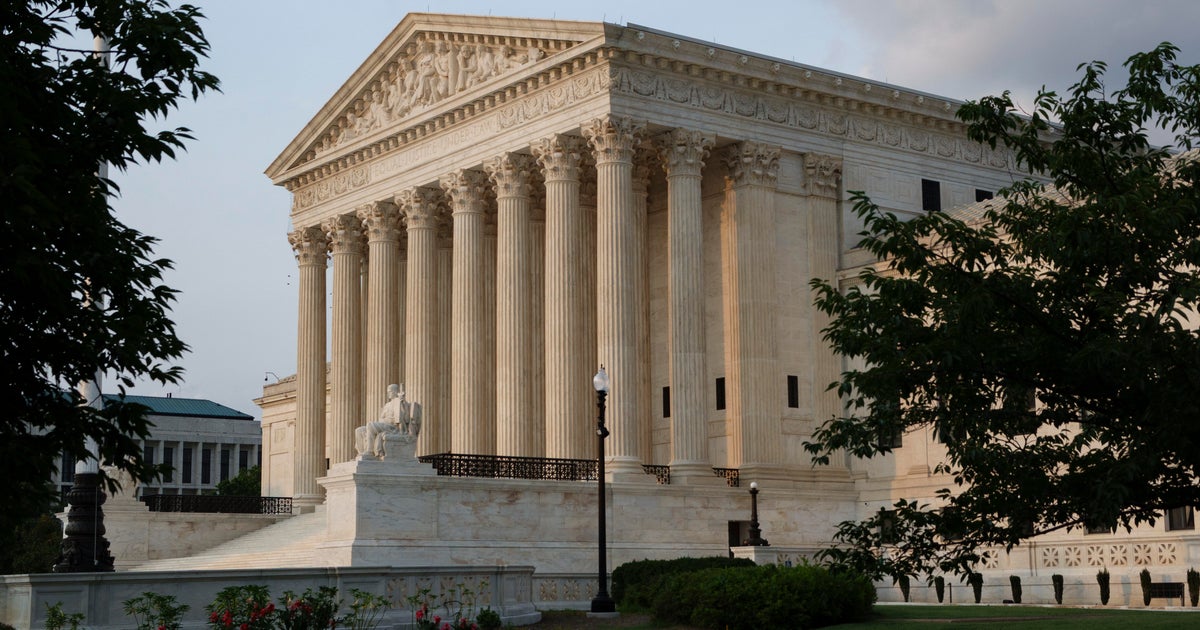
The Supreme Court ruled Thursday that New Hampshire can bar voters from using student IDs to establish their identities in the Nov. 3 midterm elections, granting an emergency request from the state less than two weeks before a closely watched U.S. Senate race.
The decision leaves student IDs unavailable not only as a primary form of identification, which a state law enacted in April already prohibited, but also as backup evidence when a voter seeks a ballot. The Republican National Committee supported the state’s request.
In a brief, unsigned order, the justices said a federal judge should not have changed voting rules so close to an election. They cited the longstanding Purcell principle, under which lower federal courts should ordinarily avoid altering election rules at the last minute.
“Here, the District Court did not point to anything that would justify deviating from that principle,” the order said.
Justice Ketanji Brown Jackson was the only justice to publicly dissent. She argued that the lower court had not changed the state’s election rule, but had addressed how voters were being told it would work.
“I would not disturb a clearly justifiable federal court order issued to ensure that the public receives accurate information about a State’s electoral processes,” Jackson wrote. She also said the order, “which left the state election rule untouched,” did not necessarily fall within the Purcell principle’s concern about courts changing rules just before an election.
The dispute began after New Hampshire removed student IDs from the list of forms of identification expressly accepted when someone requests a ballot. Secretary of State David Scanlan, a Republican, later issued guidance saying student IDs could not be used for any purpose in that process.
The Coalition for Open Democracy, a nonprofit voting rights group, challenged the law, arguing that it unlawfully burdened the right to vote and discriminated against young voters. U.S. District Judge Joseph Laplante declined to block the law. On Oct. 2, however, he put Scanlan’s guidance on hold, finding that it went further than the law’s restriction on student IDs as a primary form of identification.
A separate provision of state law permits voters to establish their identities with unofficial forms of ID, including “any other evidence that reasonably establishes that it is more likely than not that the person is who they claim to be.” Laplante’s ruling would have allowed election officials to consider a student ID under that provision. The Boston-based 1st U.S. Circuit Court of Appeals declined to suspend his ruling, and the state turned to the Supreme Court.
New Hampshire Attorney General John Formella, a Republican, praised Thursday’s decision as “an important victory for our efforts to defend those laws and prevent last-minute court orders from creating uncertainty for voters and election officials.”
The New Hampshire ballot includes a Senate contest between Republican former Sen. John E. Sununu and Democratic Rep. Chris Pappas for the seat held by retiring Democratic Sen. Jeanne Shaheen. The race could help determine control of the chamber.









Be First to Comment