Key takeaways:
- The Supreme Court rejected Trump’s reciprocal tariffs policy and his executive order seeking to end birthright citizenship.
- The court ruled in Trump v. Slaughter that the administration could fire heads of executive branch agencies even if Congress had designed them to be independent.
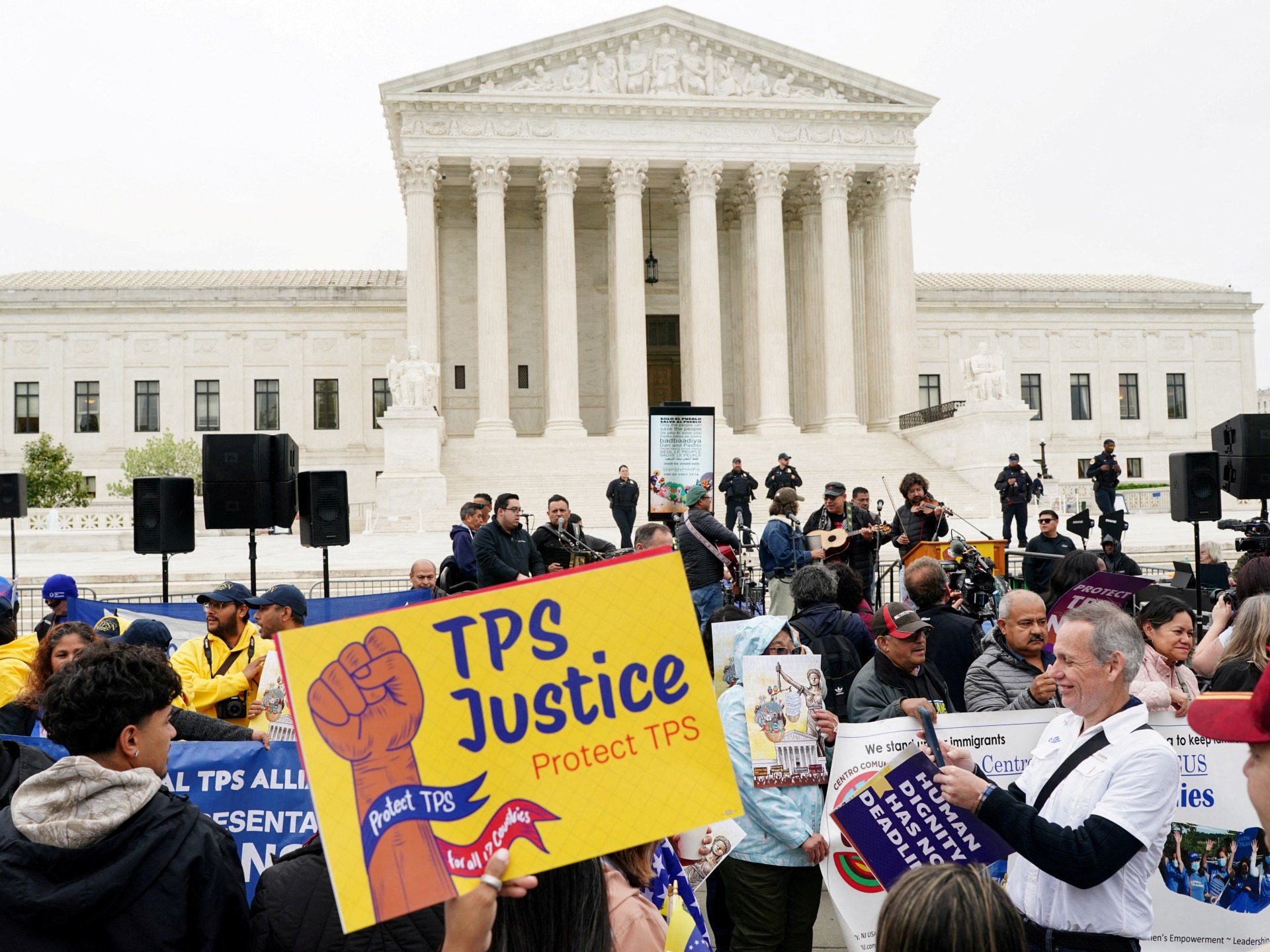
- The court sided with the Trump administration on immigration decisions involving Temporary Protected Status, asylum enforcement and limits on legal protections.
The Supreme Court ended its latest term by blocking some of President Donald Trump’s most prominent initiatives, including his reciprocal tariffs policy and his bid to end birthright citizenship, while still delivering a series of rulings that broadened presidential power and advanced parts of his agenda.
The result was a mixed record with significant consequences. Trump lost on issues he had emphasized publicly, but he also won decisions strengthening executive authority over federal agencies, immigration enforcement and election spending rules.
Trump entered office last year testing legal boundaries and asserting expansive executive power. After the court’s term ended, NPR reported that he had celebrated his victories and sought workarounds for his defeats, including asking the Republican-controlled Congress to pass legislation or pursuing alternative legal paths.
One major loss came on tariffs. The court ruled that Trump had misused presidential emergency powers to impose his signature reciprocal tariffs, saying he had overridden authority reserved for Congress, Al Jazeera reported. NPR reported that Trump responded angrily at a White House news conference in February, calling the conservative justices who ruled against him disloyal, among other insults.
The court also rejected Trump’s effort to end birthright citizenship, ruling against an executive order he signed on Inauguration Day in 2025. Al Jazeera reported that five of the nine justices found the effort violated the 14th Amendment, while four embraced all or part of the administration’s argument that the Constitution had been misinterpreted for 150 years. On social media, Trump called the decision “too bad for our country,” NPR reported, and also made a joking post congratulating China on the ruling.
Frank Bowman, professor emeritus of law at the University of Missouri, told Al Jazeera that the birthright citizenship effort “was always a moonshot.” He added: “The fact that it came as close to this is absolutely shocking.”
Other losses included a ruling upholding Federal Reserve independence, requiring Trump to clear congressionally mandated procedural hurdles before firing Federal Reserve member Lisa Cook, according to Al Jazeera. The court also blocked the Trump administration late last year from deploying federalized National Guard troops to states around the country, rejecting the White House’s position that conditions allowed Trump to override legal limits on using U.S. troops for domestic law enforcement.
But the court also sided with Trump on core questions of executive authority. In Trump v. Slaughter, it ruled that the administration could fire heads of executive branch agencies even if Congress had designed those agencies to be independent. Trump celebrated the decision on Truth Social, writing: “This Decision gives tremendous additional Power back to the Presidency, where it belongs.”
Chris Edelson, a lecturer in political science at the University of Massachusetts Amherst, told Al Jazeera that the ruling built on the court’s 2024 decision in Trump v. United States, which held that presidents have “absolute immunity” for official acts. “When you combine the Slaughter case, which says the president controls the executive branch, with Trump v United States, which says the president can violate the law, that moves the president pretty far down the road toward what Trump aspires to … a kind of American monarch,” Edelson said.
On immigration, the court affirmed Trump’s authority to make enforcement decisions, siding with the administration on limiting amnesty and stripping Temporary Protected Status from hundreds of thousands of immigrants who had been living and working legally in the United States, NPR reported. Al Jazeera also reported that the court allowed immigration agents to turn asylum seekers away before they reached U.S. soil.
The court delivered election-related wins for Republicans as well. NPR reported that a Tuesday decision loosened campaign finance rules, allowing greater coordination between political parties and candidates. Al Jazeera reported that the court backed a challenge by Vice President JD Vance and other Republicans to restrictions on electoral spending, allowing wealthy donors to make unlimited donations to political parties. NPR also reported that an earlier ruling throwing out Section 2 of the Voting Rights Act came early enough for some Republican-led states to redraw congressional district lines.
Trump did lose a mail-ballot case when the court upheld a Mississippi law allowing absentee ballots cast and mailed by Election Day to be counted up to five days later. Still, he posted Tuesday: “The Republican Party was treated very fairly by the United States Supreme Court.”



Be First to Comment