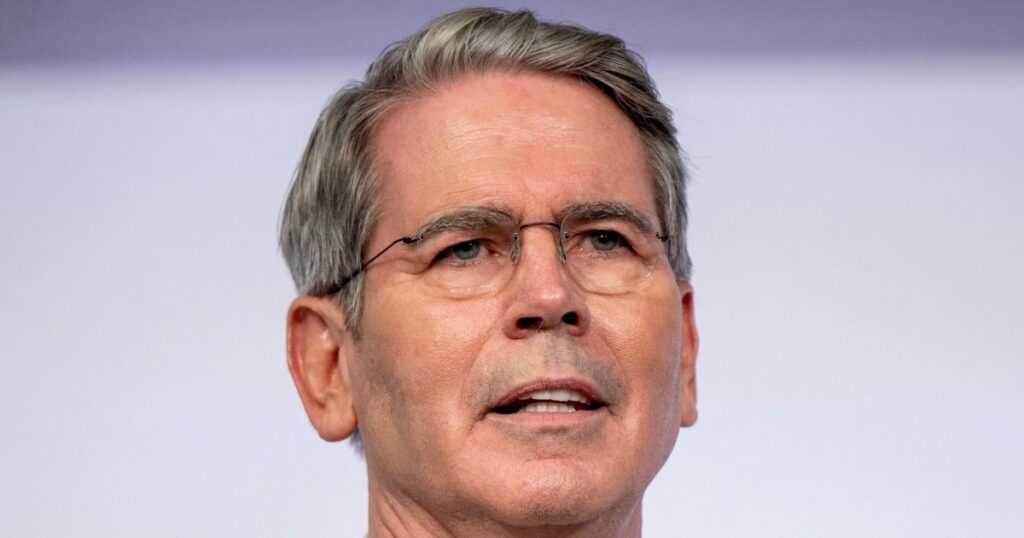
U.S. Treasury Secretary Scott Bessent defended recent U.S. military strikes on Iranian infrastructure as necessary escalations to de-escalate tensions, while also explaining the easing of sanctions to release Iranian oil onto global markets as a strategic move against Iran. Iran warned of retaliatory attacks on U.S. and allied infrastructure if its fuel and energy facilities were targeted, though the U.S. has so far avoided directly hitting Iran’s oil infrastructure. Meanwhile, growing political opposition in Congress criticized the administration for lack of authorization, transparency, and a clear strategy, calling for an end to the conflict.
Posts tagged as “The U.S. Treasury Department”

The U.S. Treasury Department has temporarily eased sanctions on Iranian oil shipments already at sea to help lower soaring global energy prices, allowing purchases of oil loaded before a specified deadline until April 19. This narrowly tailored move aims to increase supply without significantly benefiting Iran financially, marking a shift from previous maximum pressure policies amid ongoing tensions and geopolitical conflicts affecting oil markets. However, experts remain skeptical about the relief’s effectiveness, while high fuel costs continue to impact industries like aviation, prompting operational adjustments and discussions of increased security measures in critical shipping routes.
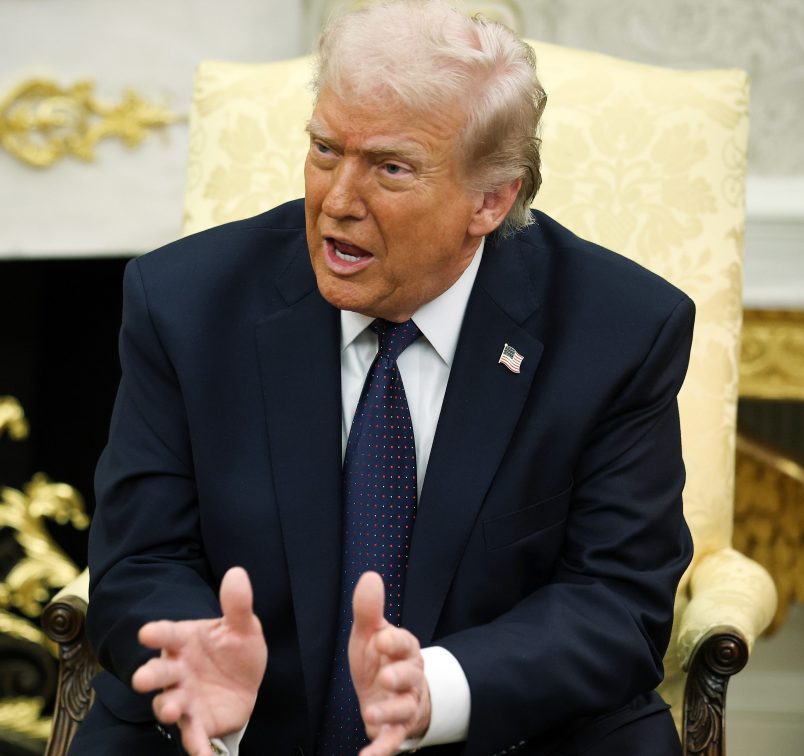
The conflict involving Iran in the Middle East has intensified over nearly two weeks, marked by a tragic U.S. military aircraft crash in Iraq, persistent Iranian drone and missile attacks on Gulf allies, and rising tensions fueled by President Trump’s aggressive rhetoric. These attacks have disrupted critical shipping routes like the Strait of Hormuz, prompting discussions of U.S. naval escorts to protect oil tankers amid soaring global energy prices. Meanwhile, Iran’s internal crackdown on protests and calls from international leaders for regime change highlight the multifaceted and volatile nature of the ongoing crisis.

Iran’s newly appointed Supreme Leader, Ayatollah Mojtaba Khamenei, issued his first public statement reaffirming the blockade of the Strait of Hormuz and threatening attacks on neighboring countries hosting U.S. military bases. His statement was delivered without a direct appearance, fueling speculation about his health after being injured in recent U.S.-Israeli strikes, and signaling a hardline stance with continued support for proxy groups across the Middle East. Khamenei vowed revenge for Iranian casualties in the strikes and emphasized Iran’s commitment to disrupting global oil transit while expressing a desire for constructive regional relations.
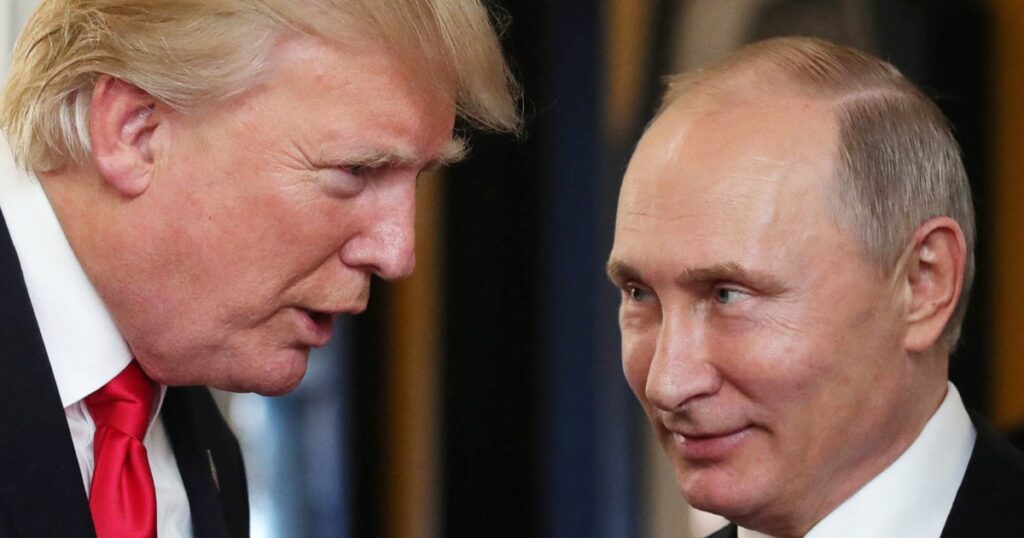
Ukrainian President Volodymyr Zelenskyy has indicated Ukraine's willingness to engage in peace talks following the U.S. decision to pause military aid, amid diplomatic tensions highlighted by a contentious meeting at the White House involving President Donald Trump and Vice President JD Vance. The meeting, which failed to finalize a key minerals agreement between the U.S. and Ukraine, has been portrayed by Russian officials and media as a sign of fragmentation within the Western alliance. Despite these diplomatic challenges, discussions on the minerals agreement continue, with U.S. Treasury Secretary Scott Bessent emphasizing ongoing efforts to sustain economic cooperation between the two nations.

ICBC FS, the world's largest lender by assets, has experienced a ransomware attack that has caused disruption to certain systems. The attack has disrupted the trading of U.S. Treasury securities and ICBC FS is currently investigating the incident and working on recovery. The attack highlights the need for organizations to have robust cybersecurity measures in place to protect against such attacks.
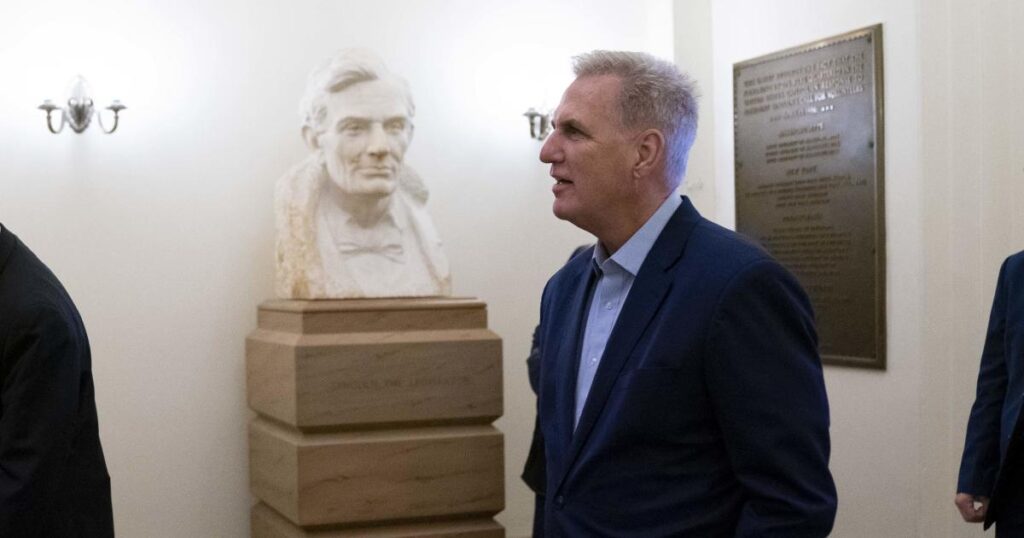
President Joe Biden and House Speaker Kevin McCarthy have reached an agreement in principle to limit federal spending and resolve the looming debt crisis before the June 5th deadline. The agreement is seen as a major step forward in avoiding a potential economic crisis, and the details of the agreement are still being worked out. The legislative package is expected to be presented soon, and it is hoped that the agreement will be able to resolve the debt crisis and avoid a potential economic crisis.
The U.S. Treasury Department has warned that the government could run out of money to meet all its obligations as soon as June 1 due to House Republicans' efforts. Secretary Janet Yellen says the workarounds to keep the government paying its bills will be exhausted in the coming week, and the Bipartisan Policy Center warns that Social Security recipients, seniors and people with disabilities will likely be the first groups affected. Congress must act quickly to avoid a potential financial crisis and ensure the government can meet its obligations.