Key takeaways:
- The U.S. conducted strikes on Iranian radar and drone control sites after Iran shot down a U.S. MQ-1 drone over international waters.
- Iran's IRGC launched a retaliatory strike targeting the source of a U.S. attack on a telecommunications tower on Sirik Island.
- Kuwait reported intercepting hostile missile and drone attacks, with air raid sirens sounding across the country.
- Secretary of State Marco Rubio spoke with Israeli and Lebanese leaders to propose plans for de-escalation and cessation of hostilities.
- The conflict has disrupted global energy markets amid tensions around the Strait of Hormuz.
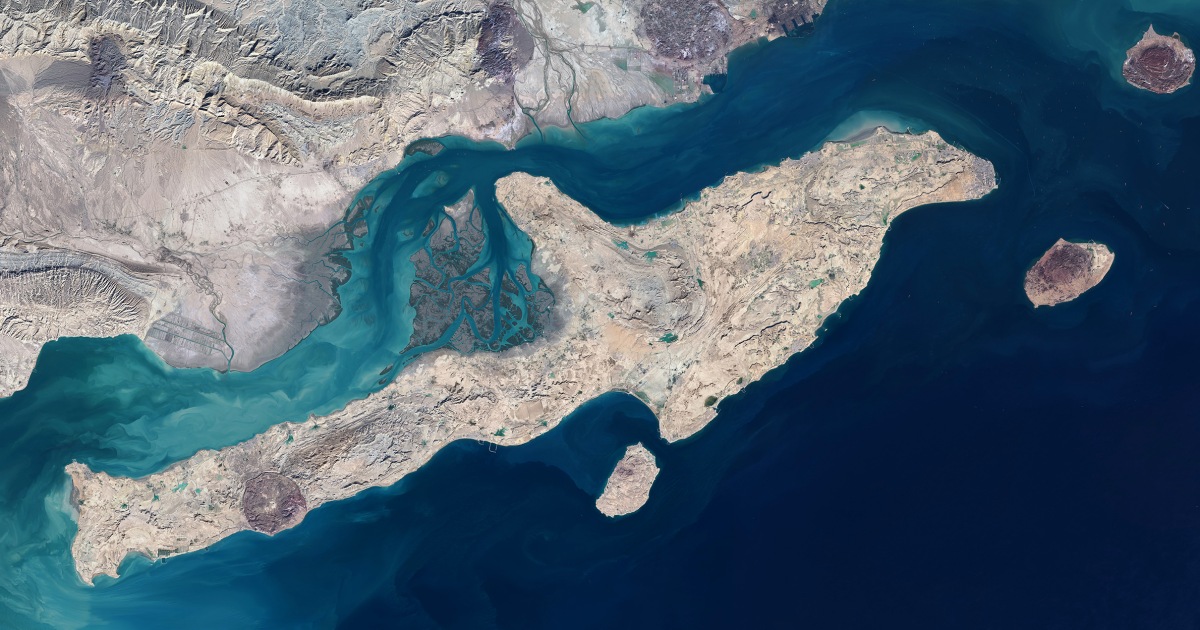
The United States conducted self-defense strikes on Iranian radar and drone control sites over the weekend after Iran shot down a U.S. MQ-1 Predator drone operating over international waters, the U.S. military said Monday. The strikes targeted locations near the city of Goruk and on Qeshm Island in the Strait of Hormuz, eliminating Iranian air defenses, a ground control station, and two one-way attack drones that posed threats to ships transiting regional waters. No U.S. service members were harmed, according to U.S. Central Command.
In response, Iran’s Islamic Revolutionary Guard Corps (IRGC) said it launched a retaliatory strike targeting the source of the U.S. attack on a telecommunications tower on Sirik (Sirri) Island in Hormozgan province, near Iran’s southern coast. The IRGC did not specify the location of the U.S. base it targeted but warned that future U.S. attacks would provoke a “completely different” response, holding Washington responsible for the consequences.
Meanwhile, Kuwait, which hosts a U.S. air base, reported intercepting hostile missile and drone attacks early Monday morning. The Kuwaiti army stated it was responding to these threats, with air defense systems firing to intercept incoming projectiles. The state news agency KUNA reported air raid sirens sounded across the country, though no details were provided about the origin or targets of the attacks. Iranian state media shared footage of a ballistic missile launch, including an image depicting a bruised U.S. President Donald Trump over a “closed” Strait of Hormuz, accompanied by the caption: “Until the last American soldier leaves the region.”
The exchanges come amid fragile ceasefire talks between the U.S. and Iran, which have been ongoing since an April ceasefire agreement. Despite the ceasefire, both sides have engaged in repeated strikes, complicating efforts to reach a broader agreement. Negotiations have stalled over issues including Iran’s nuclear and missile programs and the reopening of the Strait of Hormuz, a critical shipping route through which about one-fifth of the world’s oil and liquefied natural gas shipments pass.
President Donald Trump addressed critics of the slow progress on his Truth Social platform early Monday, urging them to “just sit back and relax,” and expressing optimism that “Iran really wants to make a deal, and it will be a good one for the U.S.A. and those that are with us.”
Reports indicate that Trump requested changes to the ceasefire terms, including a 60-day cessation of violence, reopening the Strait of Hormuz for unrestricted shipping, and a framework to resume negotiations on Iran’s nuclear program. Iran’s chief negotiator has stated that Tehran will not agree to any deal unless Iranian rights are fully secured.
The ongoing conflict has also been influenced by Israel’s military operations in Lebanon against the Iranian-backed Hezbollah militia, with Israeli troops capturing Beaufort Ridge, a medieval castle and key strategic site. Secretary of State Marco Rubio has spoken with Israeli Prime Minister Benjamin Netanyahu and Lebanese President Joseph Aoun as part of ongoing diplomatic negotiations and proposed a plan that would “create space for gradual de-escalation and an effective cessation of hostilities.” Iranian Foreign Ministry spokesman Esmail Baghaei emphasized that a ceasefire in Lebanon is integral to any final agreement to end the war and condemned U.S. attacks on Iran’s commercial shipping as violations of the ceasefire and acts of aggression.
The conflict has contributed to disruptions in global energy markets amid tensions surrounding the Strait of Hormuz. The situation continues to affect regional stability and global economic conditions.









Be First to Comment