Key takeaways:
- ICE said detainees were transferred from the Everglades facility to other sites for safety as hurricane season begins.
- CBS News Miami reported roughly 1,400 detainees had been expected to be removed after operators were notified the facility was being shut down.
- The state-run detention site opened in July 2025 and costs Florida taxpayers an estimated $1.2 million a day to operate, according to the Florida Tributary.
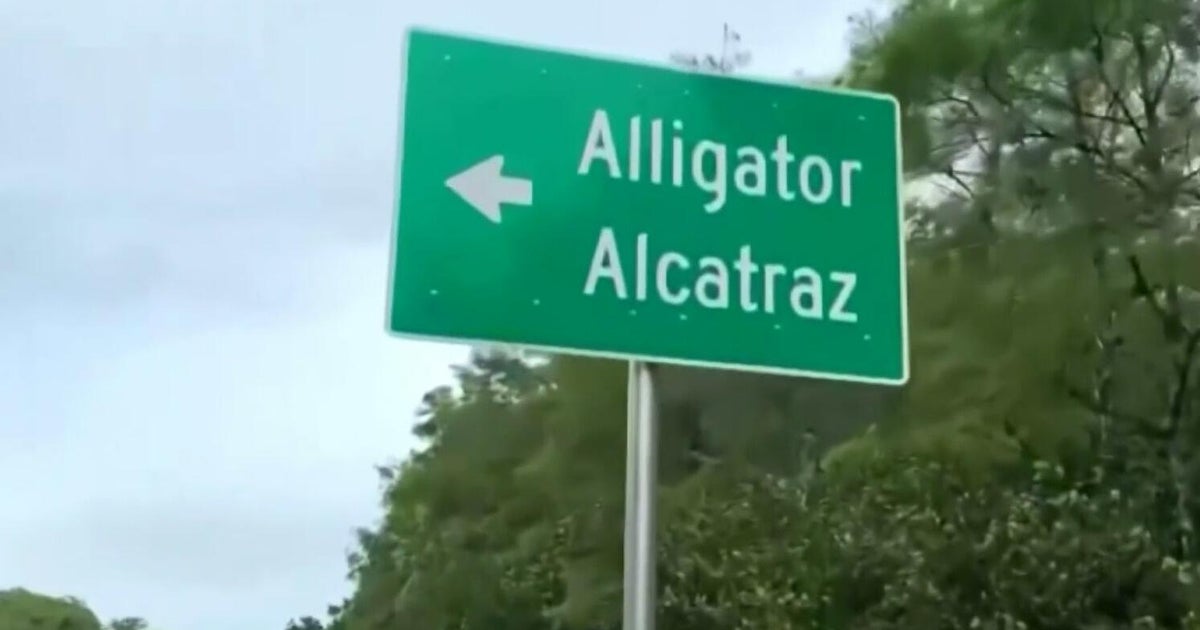
U.S. Immigration and Customs Enforcement has moved detainees out of Florida’s Everglades immigration detention center known as “Alligator Alcatraz,” citing safety concerns as hurricane season begins.
“As we enter into hurricane season, ICE and the state of Florida have moved illegal aliens from the soft sided facility,” the agency said in a statement reported by NBC Miami. “For the safety of the illegal alien detainees, we transferred them to other facilities.”
ICE did not specify how many people were moved or where they were taken, The Guardian reported. CBS News said an ICE spokesperson confirmed the transfers and cited hurricane-season safety concerns.
The state-run detention site, built on an unused airstrip in the remote Everglades, opened in July 2025 as the Trump administration sought to expand ICE detention capacity for increased arrests and deportations. Detainees were held in large air-conditioned tents with rows of bunk beds and cells formed by chain-link fencing.
The facility has been the subject of conflicting signals about its future. CBS News Miami reported last month that companies hired by Florida to operate the site had been notified it was being shut down, with roughly 1,400 remaining detainees expected to be removed. The New York Times reported in May, citing a federal official and three people familiar with the matter, that Florida planned to close the facility and that vendors were told detainees would be transferred out at the beginning of June.
Florida Gov. Ron DeSantis said at a press conference last month that the state “didn’t build any permanent facilities down there, because we knew it was going to be temporary,” but he did not give a closure timeline. Secretary of Homeland Security Markwayne Mullin later told CBS News the agency did not have near-term plans to close the site, while acknowledging weather-related “vulnerabilities.”
“We have plans in case of a natural emergency such as a wildfire or hurricane, to have to be able to bring it down and pull the individuals out,” Mullin said.
The Trump administration has described Alligator Alcatraz as a cost-effective model for state-run immigration detention facilities. The Florida Tributary, cited by The Guardian, reported that the jail costs Florida taxpayers an estimated $1.2 million a day to operate.
Some officials also framed the site’s remote location and austere conditions as a deterrent to illegal immigration. During a visit last summer, President Donald Trump said, “We’re going to teach them how to run away from an alligator if they escape prison.” Former Homeland Security Secretary Kristi Noem warned that people in the United States illegally who do not “self-deport” could “end up here.”
The facility has drawn criticism and lawsuits from immigration advocates, environmental groups and a local Native American tribe. Critics have alleged inhumane conditions, including poor food, nonfunctional toilets and limited access to attorneys. The Trump administration has denied that conditions at the detention center were inadequate.
The Guardian reported that the transfers follow allegations of human rights abuses at the site. In a December 2025 report, Amnesty International alleged that detainees were shackled inside a 2-foot-high metal cage and left outdoors without water for extended periods. One detainee told Amnesty that guards punished two people who called for help because he needed medication: “They were taken to the ‘box’ and punished just for trying to help me. I saw a guy who was put in it for an entire day.”
The Guardian also reported earlier this month that more than half a dozen detainees alleged they were given “rotten” water containing mosquito larvae and said guards used the water to pressure them into signing English-language documents they could not understand. Stephanie Hartman, a spokesperson for the Florida Department of Emergency Management, which oversees the facility’s operations, said: “Medical facilities and staff, including a pharmacy, are available 24/7 to detainees.”







Be First to Comment