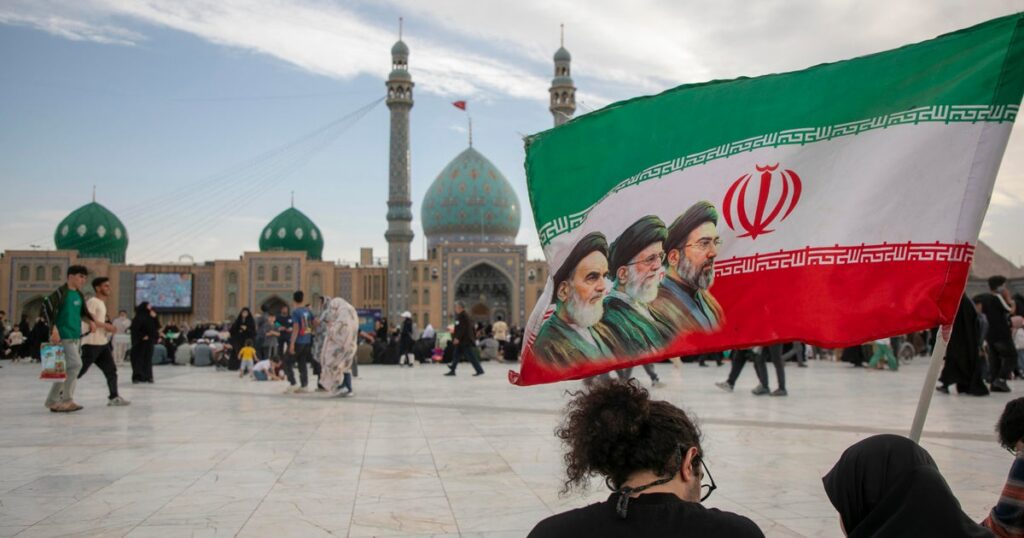
President Trump has not yet decided on a potential ceasefire deal with Iran that would reopen the Strait of Hormuz and address nuclear concerns. Negotiations remain ongoing amid conflicting reports from U.S. and Iranian officials.
Posts tagged as “The U.S. Treasury Department”
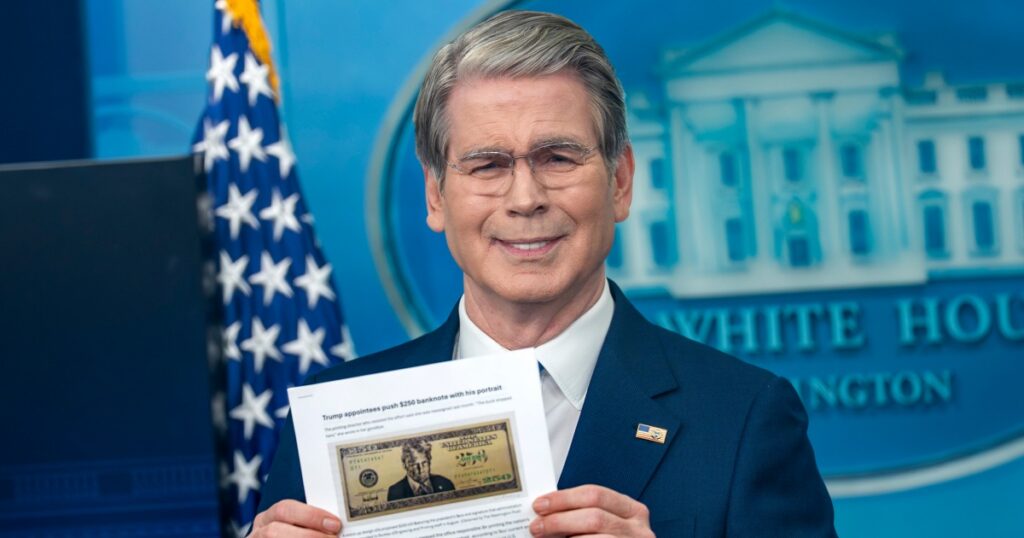
The Treasury Department is preparing a $250 bill featuring President Donald Trump’s portrait, pending congressional approval. The bill would be the first U.S. currency to depict a living person in over 150 years as part of the nation’s 250th anniversary celebrations.
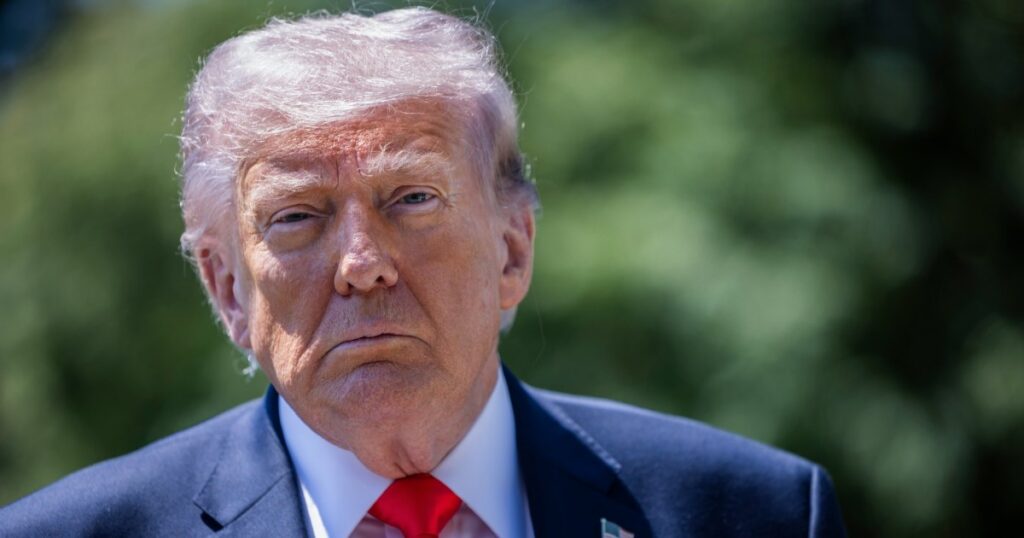
U.S. and Nigerian forces have killed Abu-Bilal al-Minuki, the Islamic State's second-in-command, in a joint operation. The move is seen as a significant blow to ISIS's operations in Africa and globally.

Stocks surged and oil prices plunged after a two-week ceasefire was announced between the U.S. and Iran, easing fears of a prolonged energy crisis. Despite the positive market reaction, analysts caution that uncertainty remains about the future of shipping through the Strait of Hormuz and the durability of the ceasefire.
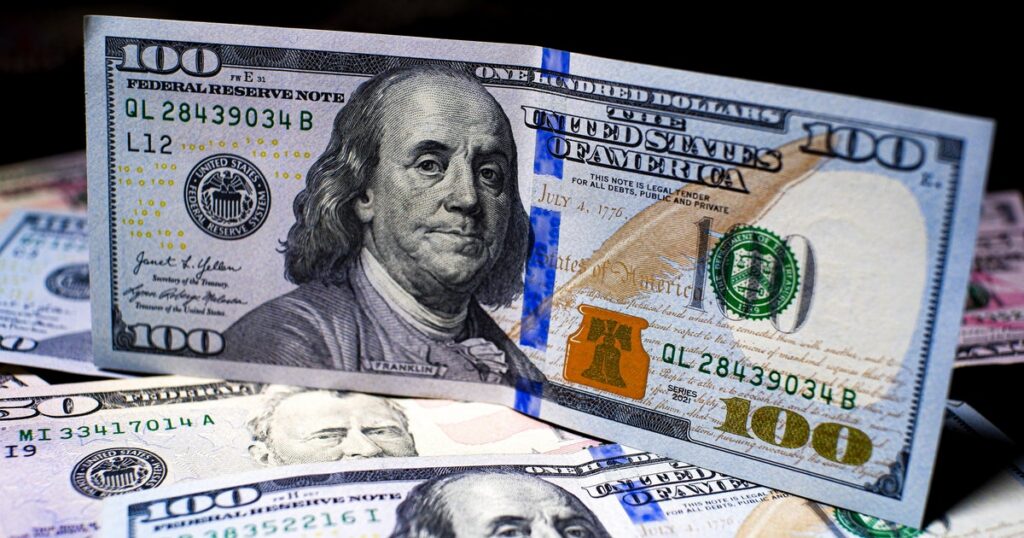
The U.S. Treasury Department announced that President Donald Trump’s signature will be added to new paper currency for the first time, commemorating the nation’s 250th anniversary alongside Treasury Secretary Scott Bessent’s signature. This change coincides with plans for a 24-karat gold commemorative coin featuring Trump’s likeness, both intended to honor the country’s historic milestone and Trump’s recent economic leadership. The new currency is expected to be introduced later this year amid ongoing economic challenges, with the Treasury praising Trump’s impact on the nation’s economic revival.

U.S. financial markets declined sharply amid fading hopes for imminent peace talks between the U.S. and Iran, with major stock indexes falling and bond yields rising, leading to increased mortgage rates globally. Oil prices surged over 40% since the conflict began, driven by heightened tensions, while diplomatic efforts stalled as Iran rejected a U.S. peace proposal seen as one-sided. Military actions, including the targeted killing of an Iranian naval commander by Israel and significant U.S. strikes on Iran’s navy, have escalated the conflict, with warnings from President Trump and concerns over Russia’s involvement further complicating the geopolitical landscape.
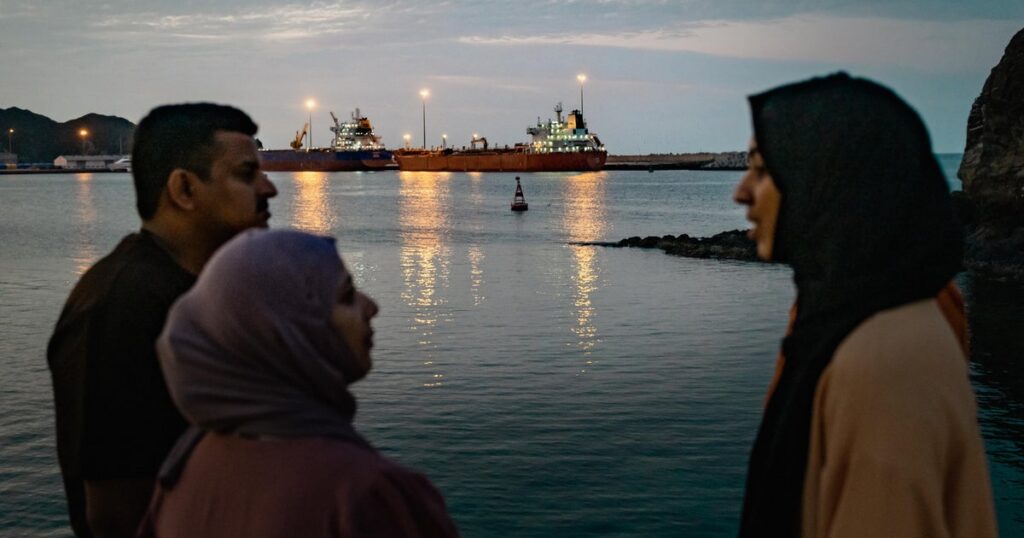
President Donald Trump postponed his ultimatum for Iran to reopen the Strait of Hormuz, citing ongoing "good and productive" negotiations amid escalating regional tensions and threats of military strikes. Iran denied direct talks with the U.S., accusing Washington of initiating the conflict and dismissing claims of missile attacks, while international markets reacted positively to the delay with rising stock futures and falling oil prices. The conflict has caused significant casualties in Iran, prompted internal crackdowns, and led to cautious diplomatic responses, with U.S. officials defending their hardline stance as necessary to de-escalate the situation.
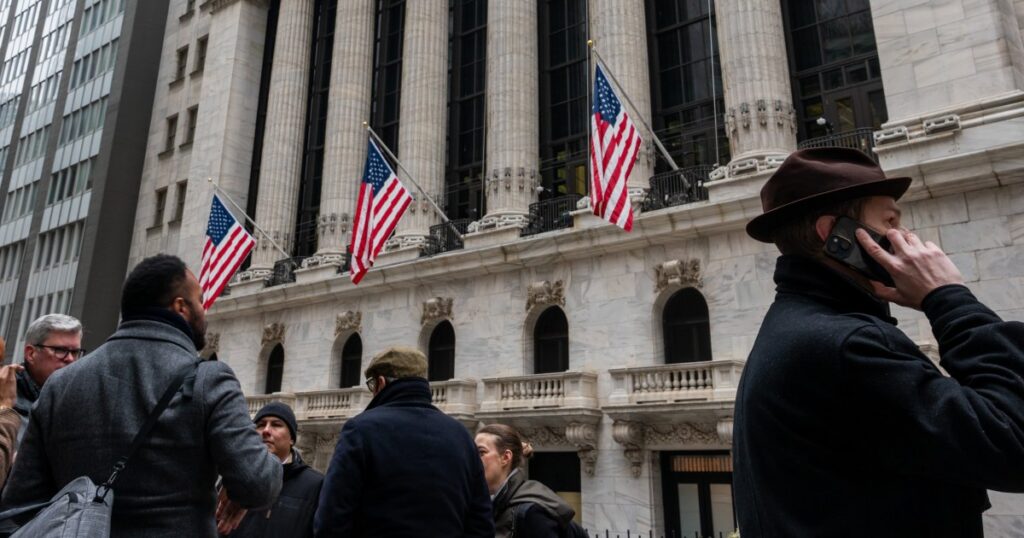
U.S. stock markets surged on Monday after President Donald Trump announced a five-day delay in military strikes on Iranian power plants, easing fears of immediate conflict amid tensions over the Strait of Hormuz. The announcement led to a sharp decline in oil prices, though crude remains significantly higher than pre-conflict levels, contributing to rising gasoline costs in the U.S. Despite the temporary de-escalation, Iranian officials rejected dialogue with Washington, maintaining a tense diplomatic standoff.