The Trump administration's increased scrutiny of foreign students participating in pro-Palestinian activities has led to the detention and visa revocation of several students at U.S. universities, raising concerns about First Amendment rights. This has sparked a debate over the balance between national security and individual rights, particularly following recent incidents at institutions like Tufts University and Columbia University. As universities express support for their international students, the situation underscores the tension between immigration policies and the rights to political expression, with broader implications for academic freedom and free speech in the U.S.
Posts tagged as “Marco Rubio”
The U.S. government, led by Secretary of State Marco Rubio, has revoked 300 student visas as part of efforts to curb international student involvement in campus protests, citing activities like vandalism and harassment as grounds for such actions. This decision follows heightened scrutiny after protests at Columbia University related to the Gaza conflict, which involved significant student activism and drew national attention. The revocations have sparked concerns about due process and free speech rights, leading to a decline in student activism as international students fear losing their visas and facing severe penalties.
George Glezmann, an American citizen detained by the Taliban in Afghanistan for over two years, has been released and is returning to the United States, as announced by Secretary of State Marco Rubio. The Taliban described Glezmann's release as a "goodwill gesture" towards former President Donald Trump, following the earlier release of two other Americans in a deal during the Biden administration. Secretary Rubio expressed gratitude to Qatar for its crucial diplomatic efforts in securing Glezmann's freedom, highlighting the ongoing diplomatic engagements to resolve such detentions and ensure the safety of U.S. nationals abroad.
The United States Institute of Peace (USIP) has filed a lawsuit in federal court to prevent its forced shutdown, alleging a "takeover by force" involving the Department of Government Efficiency, the FBI, the Justice Department, and local police. The lawsuit names high-profile defendants, including Kenneth Jackson, Secretary of State Marco Rubio, and former President Donald Trump, accusing the Trump administration of attempting to unlawfully dismiss USIP President George Moose to exert undue influence over the organization. As the USIP seeks legal protection to continue its operations, the case underscores tensions between governmental bodies and independent organizations, with potential implications for the governance of similar entities.
The United States Institute of Peace (USIP) has filed a lawsuit to prevent its forced shutdown by the Department of Government Efficiency, alleging a "takeover by force" involving several government agencies. This legal action is part of a broader conflict between the Trump administration and the federal judiciary, highlighted by President Trump's call for the impeachment of a federal judge, which prompted a rare public defense of judicial independence by Chief Justice John Roberts. The outcome of the USIP's lawsuit could have significant implications for the autonomy of independent organizations and the balance of power between government branches.
A recent NBC News poll highlights growing voter dissatisfaction with the U.S. economy and President Donald Trump's handling of economic issues, with only 18% rating the economy positively and a majority disapproving of his management of inflation. The poll also reveals skepticism towards government efficiency initiatives, with 47% holding negative views of the Department of Government Efficiency and 51% disapproving of Elon Musk's involvement. Amidst these domestic challenges, President Trump is also addressing international issues, such as proposing a cease-fire in Ukraine, while his overall approval rating stands at 47%, reflecting a divided public opinion.
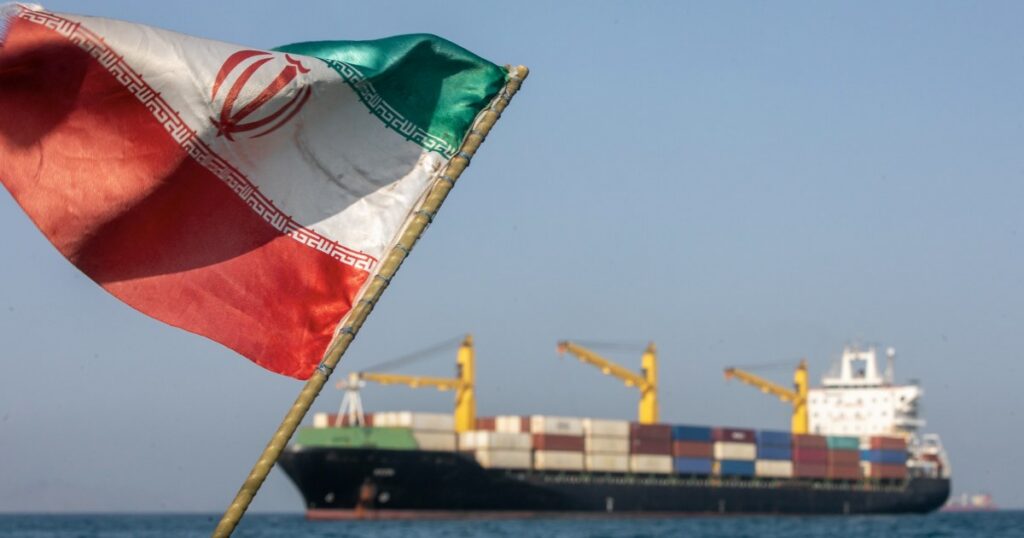
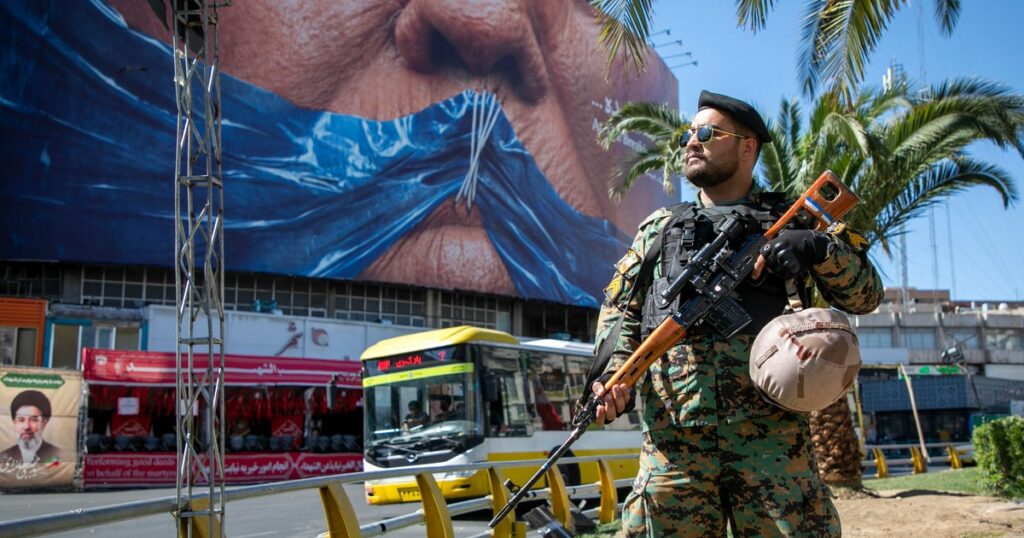
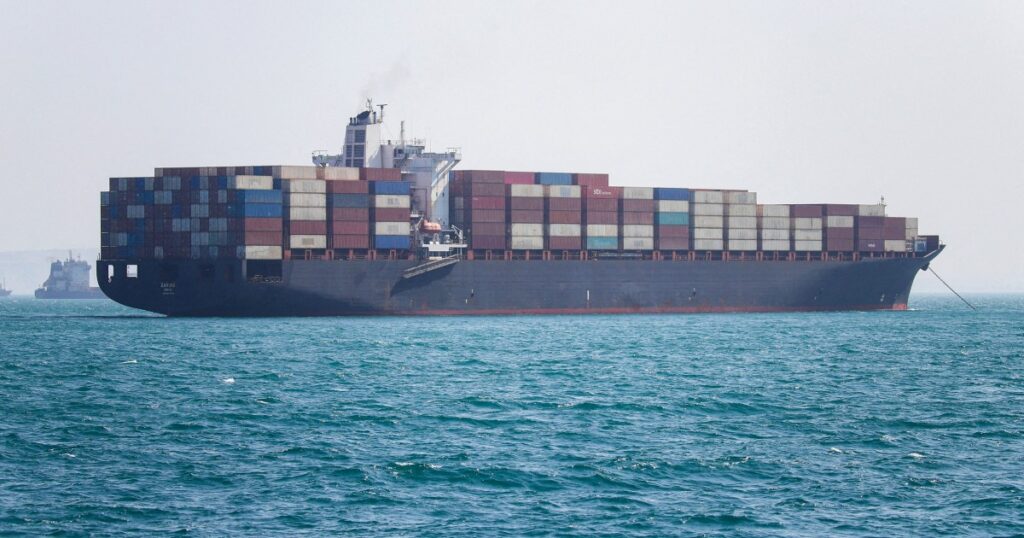
In a recent interview, National Security Adviser Mike Waltz highlighted the U.S. administration's stance that "all options are always on the table" regarding military action against Iran, emphasizing Iran's support for militant groups like the Houthis, Hezbollah, and Hamas. The strategic importance of the Red Sea as a vital shipping route was underscored, with concerns over security due to threats from Iran-backed groups. Secretary of State Marco Rubio and President Donald Trump both reiterated the U.S. commitment to countering Iranian influence and ensuring the safety of global shipping lanes, reflecting a broader strategy to address regional tensions and protect international trade.

U.S. Airstrikes Target Houthi Rebels in Yemen, Escalating Tensions and Prompting Retaliation Threats
Explosions were reported in the Yemeni cities of Sanaa and Saada following U.S. airstrikes ordered by President Donald Trump, targeting Iran-backed Houthi rebels to curb their capacity to attack global shipping and U.S. interests. The airstrikes resulted in at least 31 fatalities and 101 injuries, prompting vows of retaliation from the Houthis, who have been launching missiles and drones in response to the ongoing conflict in Gaza. U.S. Secretary of State Marco Rubio emphasized the global interest in these strikes, highlighting their role in maintaining secure maritime passages, while the situation in Yemen adds complexity to regional geopolitical dynamics and is being closely monitored by the international community.