Key takeaways:
- President Trump calls Iran's response to the U.S. ceasefire proposal "totally unacceptable" without providing further details.
- Iran seeks to end the war on all fronts and ensure shipping security but continues to restrict traffic through the Strait of Hormuz.
- Energy Secretary Chris Wright emphasizes the need for free passage through the strait and an end to Iran's nuclear program, noting Iran's uranium enrichment near weapons-grade levels.
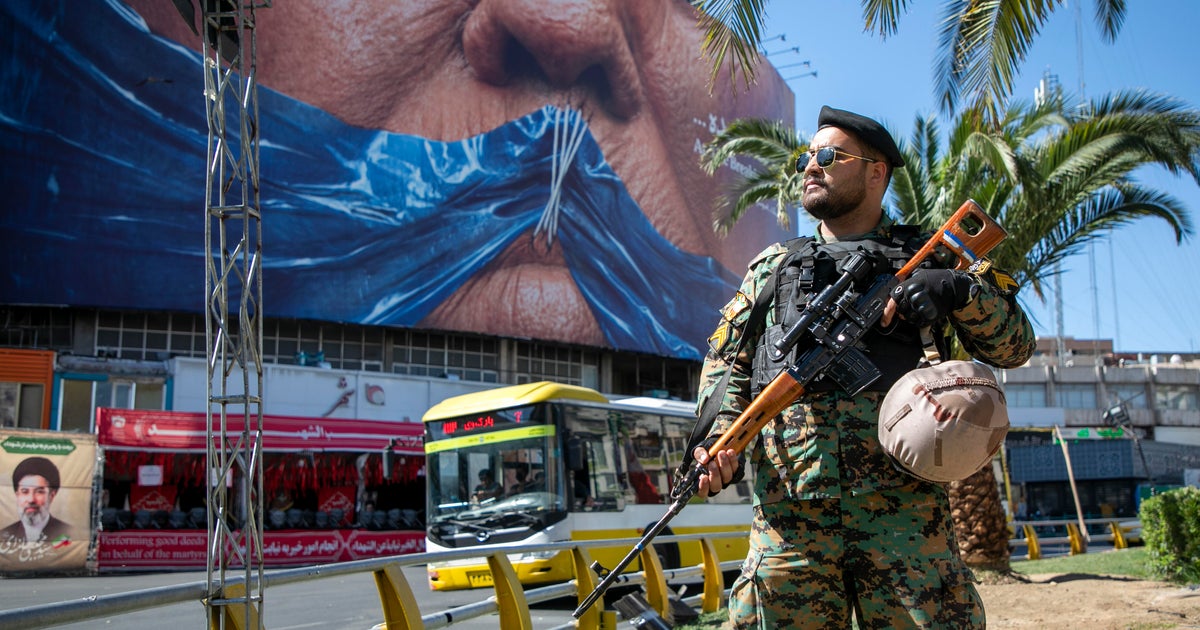
President Donald Trump on Sunday called Iran’s response to the latest U.S. ceasefire proposal “totally unacceptable,” expressing dissatisfaction without providing further details. The Iranian reply, reportedly delivered through Pakistani mediators, seeks to end the war on all fronts, including Lebanon, and to ensure the security of shipping, according to Iran’s state media. However, the U.S. has yet to comment on Tehran’s message.
Trump criticized previous U.S. administrations, particularly former President Barack Obama, for their approach to Iran, stating that Iran “has been playing games with the United States, and the rest of the World, for 47 years.” He said, “They will be laughing no longer!” and accused past leaders of weakness toward Tehran.
Efforts to negotiate peace have faced setbacks amid ongoing hostilities. Despite a ceasefire that took effect on April 8, tensions remain high. Iranian Revolutionary Guards threatened to target U.S. sites in the Middle East if Iranian tankers come under fire, following U.S. military strikes on two Iran-flagged oil tankers attempting to dock at Iranian ports in violation of the U.S. blockade.
The Strait of Hormuz, a strategic waterway for global oil shipments, remains a flashpoint. Iran has continued to restrict traffic through the strait, disrupting critical Gulf oil supplies. The U.S. had announced “Project Freedom,” a plan to escort merchant ships through the strait with military vessels, but this effort was paused shortly after its announcement. Iran’s deputy foreign minister warned against French and British naval involvement in the strait, threatening a “decisive and immediate response” if such actions violate international law.
Energy Secretary Chris Wright said on NBC’s “Meet the Press” that the U.S. is awaiting a “clear resolution” from Iran and is pressing for the free flow of traffic through the Strait of Hormuz and an end to Iran’s nuclear program. Wright noted that Iran’s uranium enrichment has reached nearly 60%, close to weapons-grade levels, and emphasized the global community cannot accept a nuclear-armed Iran. He predicted a deal on the nuclear issue could be reached within weeks but acknowledged the challenge and potential short-term disruptions to energy markets.
Democratic Senator Mark Kelly described the state of U.S. munitions stockpiles as “shocking,” attributing depletion to the current conflict and warning of long replenishment times that could affect national security.
Meanwhile, the ceasefire has been tested by recent drone attacks. A drone caused a small fire on a ship off Qatar’s coast, and the United Arab Emirates and Kuwait reported drones entering their airspace. The UAE blamed Iran for these incursions. Additionally, Israeli forces reported injuries from explosive drones launched by Hezbollah near the Israel-Lebanon border, with Israeli strikes in Lebanon killing at least eight people.
Qatari Prime Minister Sheikh Mohammed bin Abdulrahman bin Jassim Al-Thani departed Miami after meetings with U.S. officials, including Secretary of State Marco Rubio, President Trump’s Middle East envoy Steve Witkoff, and Vice President JD Vance. Discussions focused on regional security, defense cooperation, and Pakistani-led mediation efforts to deescalate the conflict.
Trump has stated that the conflict is “over when it’s over” but asserted that the U.S. has won militarily and controls the Strait of Hormuz, saying, “We really control it; they don’t.” He emphasized the importance of securing a deal that serves U.S. interests, stating, “I’ve got to make good deals. We’re pretty close.”
Iran’s Foreign Minister Abbas Araghchi criticized the U.S. for opting for “reckless military adventure” whenever diplomatic solutions appear possible. Analysts suggest that while the U.S. naval blockade aims to cut off Iran’s oil exports and pressure Tehran to negotiate, Iran can likely endure the blockade for months without a major economic crisis, partly due to domestic oil consumption and storage capacity.
The situation remains fluid, with ongoing diplomatic efforts, military tensions, and economic pressures shaping the prospects for peace in the region.





Be First to Comment