Key takeaways:
- Nine confirmed or suspected hantavirus cases, including three deaths, are linked to the M/V Hondius cruise ship.
- The Andes virus strain involved is the only hantavirus known to spread person-to-person through prolonged close contact.
- International health agencies are monitoring passengers and contacts across at least 12 countries, with quarantine measures in place.
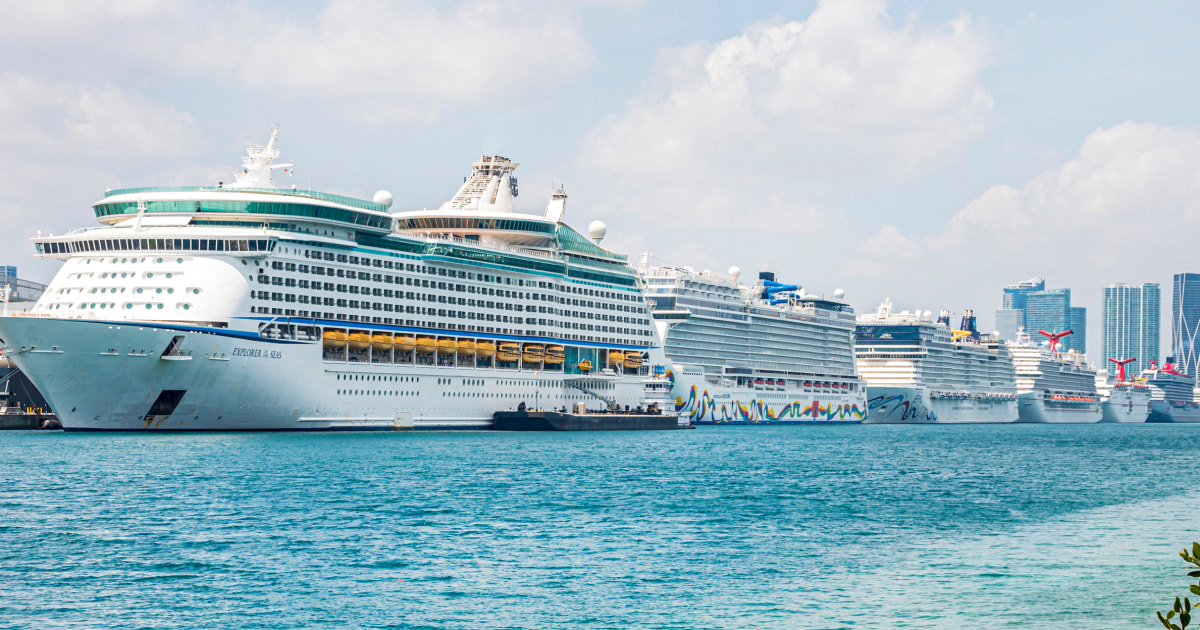
A hantavirus outbreak linked to the Dutch-flagged cruise ship M/V Hondius has resulted in at least nine confirmed or suspected cases, including three deaths, health officials reported. The ship, currently en route from Cape Verde to the Canary Islands, has prompted international monitoring and quarantine efforts as the virus strain involved, the Andes virus, is known for its rare person-to-person transmission.
The outbreak appears to have begun with a Dutch couple who boarded the ship on April 1 after a bird-watching trip through Argentina, Chile, and Uruguay—regions where the rodent species carrying the Andes virus are found. The 70-year-old Dutch man died aboard the ship on April 11 after developing symptoms on April 6, though hantavirus was not initially suspected. His 69-year-old wife disembarked in Saint Helena on April 24 and died two days later in South Africa. Her blood tested positive for the Andes strain.
A British passenger developed respiratory symptoms on April 24 while still on the ship and was medically evacuated from Ascension Island to South Africa, where he remains hospitalized but is reportedly improving. A German woman died aboard the ship on May 2 after developing pneumonia-like symptoms starting April 28. Her body remains on the ship.
Three individuals were evacuated to the Netherlands on May 3 for medical care: a Dutch passenger and a British crew member, both symptomatic but stable, and a German passenger who was asymptomatic but had close contact with the deceased German woman. Additionally, a Swiss man who disembarked in Saint Helena tested positive and is receiving treatment in Zurich, while his wife is self-isolating as a precaution.
A suspected case has also been reported on Tristan da Cunha, a remote British Overseas Territory where the ship stopped between April 13 and 16. The World Health Organization (WHO) is coordinating with at least 12 countries, including the United States, United Kingdom, Germany, and Switzerland, to monitor passengers and contacts. In the U.S., five states are tracking individuals who were on the ship, none of whom have shown symptoms. The WHO also confirmed a KLM flight attendant exposed to passengers tested negative.
The U.S. State Department is arranging a flight to bring 17 American passengers to a quarantine facility at the Nebraska Medical Center, which has a biocontainment unit used during the Ebola outbreak and the 2020 Diamond Princess COVID-19 quarantine. Spanish authorities plan to quarantine ship passengers and staff in Madrid under active monitoring.
The Andes virus, unlike other hantaviruses, can spread between people through prolonged close contact but is not easily transmitted via casual contact. It often causes severe pulmonary and kidney symptoms, with fatality rates up to 50%. Symptoms can start vaguely and worsen rapidly, sometimes within hours.
The current situation on the Hondius has drawn comparisons to the early COVID-19 cruise ship quarantines. Passengers like Jake Rosmarin and Kasem Ibn Hattuta have shared updates via social media, describing a calm atmosphere with passengers engaging in reading, watching movies, and bird-watching on deck while observing mask-wearing and social distancing indoors.
Former Diamond Princess passenger Bill Smedley, who experienced a COVID-19 quarantine in 2020, expressed sympathy for those aboard the Hondius, recalling the fear and isolation he endured. Other cruisers have advised those on the Hondius to find ways to stay occupied and maintain morale during the ongoing journey and quarantine measures.









Be First to Comment