Key takeaways:
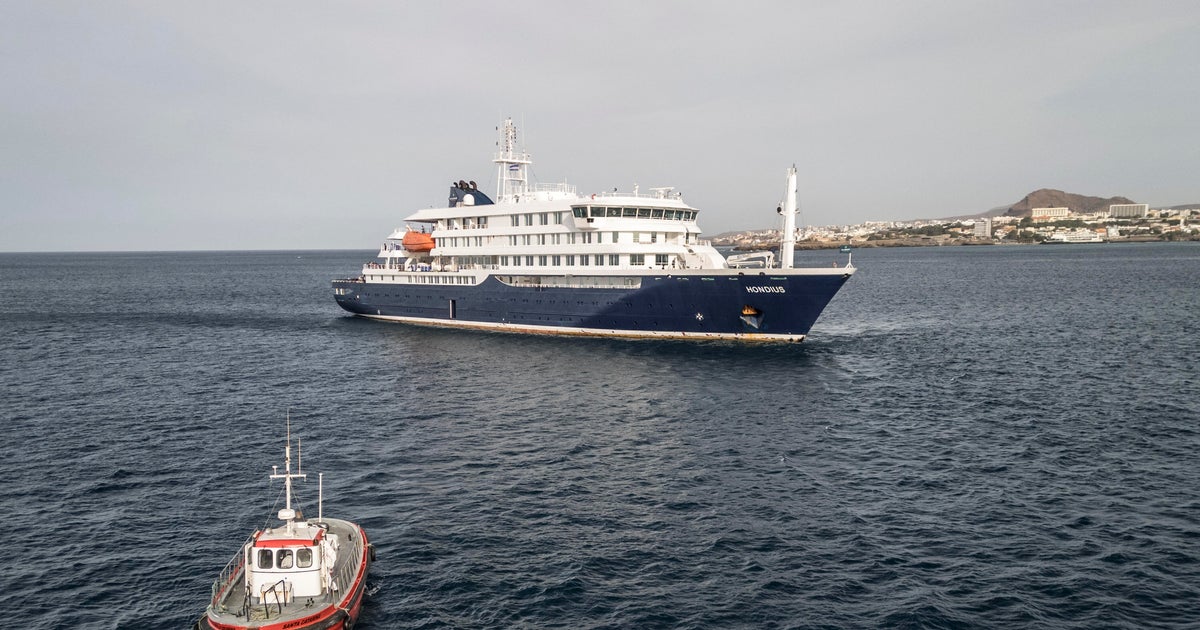
- The MV Hondius cruise ship, with 147 people aboard, is arriving in Tenerife after a hantavirus outbreak resulting in eight cases and three deaths.
- WHO Director-General Dr. Tedros Adhanom Ghebreyesus will personally oversee the evacuation and has urged Tenerife residents to remain calm, emphasizing the low public health risk.
- Seventeen Americans aboard will be flown to a quarantine center in Nebraska for monitoring, while other nationals will be repatriated to their home countries under WHO guidance.
The World Health Organization (WHO) Director-General Dr. Tedros Adhanom Ghebreyesus announced he will personally oversee the evacuation of more than 100 passengers and crew from the MV Hondius, a cruise ship affected by a hantavirus outbreak. The ship is expected to anchor off Tenerife, the largest island in Spain’s Canary Islands, early Sunday morning local time.
The outbreak has resulted in eight confirmed or suspected hantavirus cases and three deaths. Despite these figures, none of the 147 people currently aboard, including 60 crew members, are showing symptoms, according to Oceanwide Expeditions, the vessel’s owner. The ship departed Argentina on April 1 and visited remote South Atlantic islands before the outbreak was detected.
Dr. Tedros addressed the residents of Tenerife in a letter, urging calm and emphasizing that the public health risk remains low. “This is not another COVID,” he said, acknowledging the community’s concerns but stressing the WHO’s assessment that the risk to locals is minimal. He praised Tenerife for its medical capacity and humanitarian response, stating, “Your humanity deserves to be witnessed, not just acknowledged from a distance.”
Local protests have erupted in Tenerife, with residents expressing fears about the virus’s arrival and its potential impact on tourism. Demonstrators chanted slogans such as “Yes to tourism, no to the virus.” The Spanish government authorized the ship’s docking despite opposition from local leaders.
The evacuation plan involves ferrying passengers and crew ashore in small boats at Granadilla port, followed by immediate transfer to repatriation flights. Spanish Health Minister Mónica García confirmed that all passengers will wear FFP2 masks during disembarkation. Spanish citizens are expected to disembark first.
Seventeen Americans aboard the ship will be flown to the National Quarantine Center at the University of Nebraska in Omaha. The U.S. government, with oversight from the Centers for Disease Control and Prevention (CDC), arranged the flight. The CDC has deployed a team to Tenerife to assist with the evacuation. While the Americans will be monitored at the Nebraska facility, they will not necessarily be quarantined there for the entire 42-day observation period recommended by WHO, which includes self-monitoring after returning home.
Dr. Maria Van Kerkhove, WHO’s acting director of Epidemic and Pandemic Preparedness, stated that anyone showing symptoms during disembarkation will be taken to the Netherlands for treatment. Contact tracing is ongoing, and all aboard are considered high-risk contacts. The repatriation flights are planned to occur over Sunday and Monday.
Several countries, including the U.S., Germany, France, Belgium, Ireland, and the Netherlands, have sent planes to evacuate their nationals. Thirty crew members will remain on the ship to sail it to the Netherlands for disinfection, along with the body of one deceased passenger.
The outbreak appears to have originated with a Dutch couple who traveled in South America, the only region where the Andes strain of hantavirus—capable of person-to-person transmission—exists. The husband died aboard the ship on April 11, and the wife died days later after being removed from a flight due to illness.
Health officials emphasize that hantavirus is typically transmitted through contact with rodents and that the risk of widespread transmission remains very low. The WHO continues to monitor the situation closely, with Dr. Tedros assuring the public that the organization’s response is measured and based on scientific evidence.






Be First to Comment