Key takeaways:
- The 5th U.S. Circuit Court of Appeals ruled that mifepristone must be dispensed in person, blocking telehealth and mail access nationwide.
- Louisiana argued that the FDA's telehealth rule undermines its abortion laws and poses safety risks, leading to the court's stay on the regulation.
- The ruling is expected to be appealed to the U.S. Supreme Court, which previously preserved access to mifepristone but avoided core legal issues.
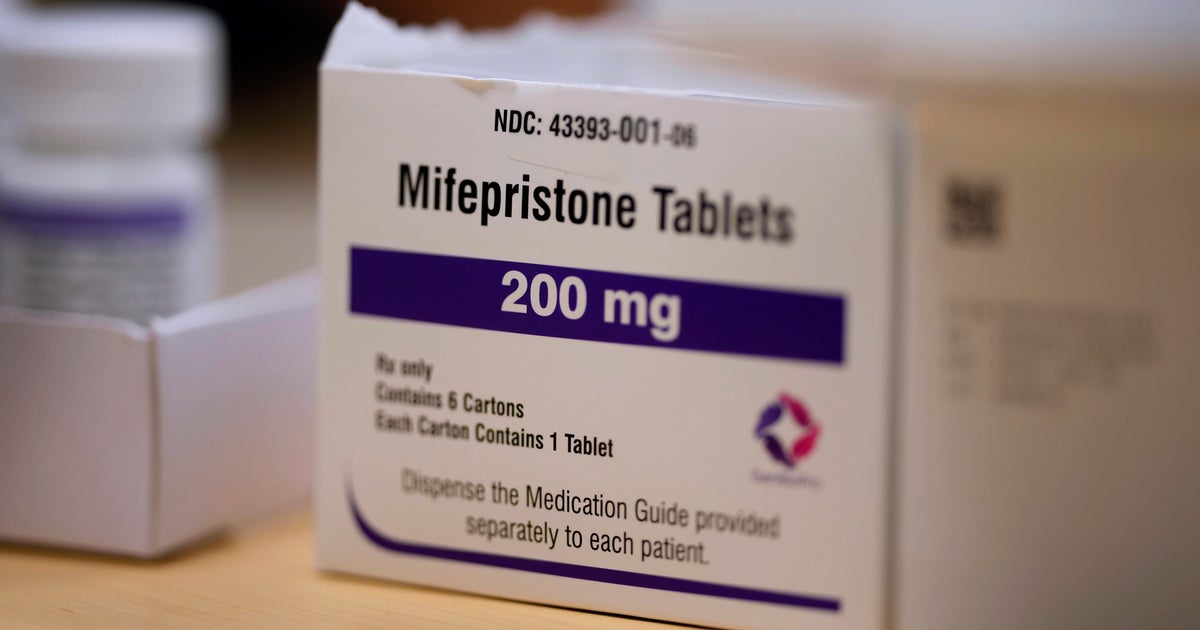
A federal appeals court on Friday granted Louisiana’s request to reinstate a nationwide requirement that the abortion pill mifepristone be dispensed only in person, blocking telehealth and mail access to the medication. The New Orleans-based 5th U.S. Circuit Court of Appeals ruled that mifepristone prescriptions must be distributed at clinics, citing Louisiana’s abortion laws and concerns about safety.
The ruling marks a significant limitation on access to one of the most common methods of abortion in the United States, especially in states with abortion bans following the Supreme Court’s 2022 decision overturning Roe v. Wade. Telehealth prescriptions and mailing of mifepristone have been crucial for maintaining abortion access in restrictive states.
Circuit Judge Stuart Kyle Duncan wrote in the opinion that the FDA’s current regulation allowing mailing “creates an effective way for an out-of-state prescriber to place the drug in the hands of Louisianans in defiance of Louisiana law.” He added that the FDA’s telehealth provision “injures Louisiana by undermining its laws protecting unborn human life and also by causing it to spend Medicaid funds on emergency care for women harmed by mifepristone. Both injuries are irreparable.”
Louisiana Attorney General Liz Murrill, who filed the lawsuit alongside the anti-abortion group Alliance Defending Freedom, said she looks forward to continuing to defend women and unborn children. Marjorie Dannenfelser, president of Susan B. Anthony Pro-Life America, called the ruling “a huge victory for victims and survivors of Biden’s reckless mail-order abortion drug regime.”
Opponents of the ruling, including the American Civil Liberties Union, criticized the decision. Julia Kaye, senior staff attorney for the ACLU’s Reproductive Freedom Project, said, “Anti-abortion politicians have just made it much harder for people everywhere in the country to get a medication that abortion and miscarriage patients have been safely using for more than 25 years.” She highlighted that losing telemedicine options will especially impact people in rural areas, those facing intimate partner violence, and individuals with disabilities.
Mifepristone was approved in 2000 as a safe and effective medication to end early pregnancies, typically used with a second drug, misoprostol. Initially, the FDA required the pill to be prescribed and dispensed only in person by certified physicians due to rare cases of excessive bleeding. However, during the COVID-19 pandemic, the FDA under President Joe Biden temporarily removed these restrictions, allowing telehealth prescriptions and mailing of the drug. This change was made permanent in 2023 after extensive review of safety data.
Louisiana challenged the FDA’s regulation last year, arguing that the data supporting telehealth dispensing was flawed or nonexistent and that the policy created safety risks. The FDA requested a pause in the lawsuit until a safety review ordered by the Trump administration was completed, but the 5th Circuit court ultimately sided with Louisiana in granting a stay on the FDA’s telehealth rule.
Evan Masingill, CEO of GenBioPro, a manufacturer of generic mifepristone, expressed alarm at the court’s decision, stating the company is reviewing the order and reaffirming its commitment to making the medication accessible. Alexis McGill Johnson, CEO of Planned Parenthood Action Fund, said their health centers remain committed to providing abortion care where legal.
The ruling sets the stage for a likely appeal to the U.S. Supreme Court. While the conservative-majority Supreme Court overturned abortion as a nationwide right in 2022, it unanimously preserved access to mifepristone in a 2024 decision, though that ruling avoided the core legal issues by focusing on the plaintiffs’ standing to sue.
Advocates for reproductive rights warn that this latest ruling is “one step closer to a national abortion ban,” with Reproductive Freedom for All’s President Mini Timmaraju stating, “The safety of mifepristone has never actually been in question. As this case moves towards the U.S. Supreme Court, we will fight until every person has access to the care they need.”












Be First to Comment