Key takeaways:
- Louisiana suspends May 16 U.S. House primaries following Supreme Court ruling that struck down the state's congressional map.
- Votes cast in the House races on May 16 will not be counted, but other elections, including Senate primaries, will continue.
- The Supreme Court ruled 6-3 that Louisiana's use of race in redistricting violated the Constitution, limiting the application of the Voting Rights Act.
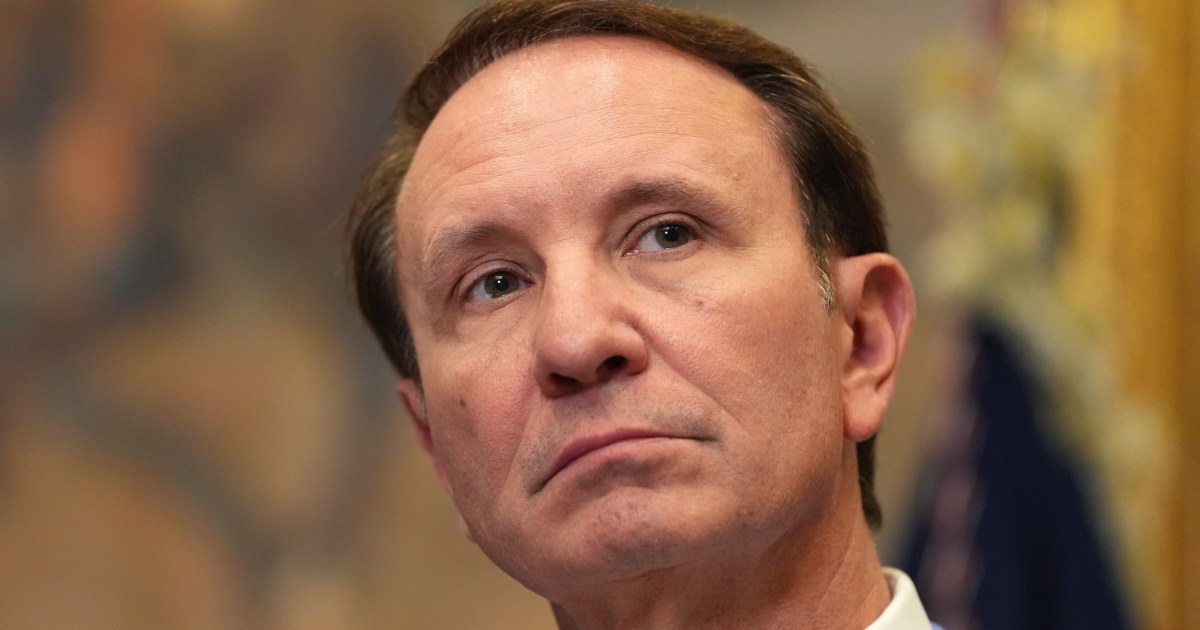
Louisiana has suspended its U.S. House primaries scheduled for May 16 following a Supreme Court decision that struck down the state’s congressional map for racial gerrymandering. Secretary of State Nancy Landry announced Thursday that while the House races will remain on the ballot, any votes cast in those contests will not be counted. Other elections, including the Senate primaries, will proceed as planned.
The Supreme Court’s 6-3 ruling, authored by Justice Samuel Alito, upheld a lower court’s finding that Louisiana’s mapmakers relied too heavily on race when redrawing district lines to comply with Section 2 of the Voting Rights Act. The Court’s conservative majority determined that compliance with Section 2 does not justify the use of race in redistricting.
Landry stated on social media, “Pursuant to 18:401.1(B), I have certified the emergency in light of the Supreme Court ruling. This is a mandatory step prior to the Governor issuing an executive order suspending the upcoming Louisiana U.S. House races.” Early voting was set to begin this weekend, and absentee voting was already underway, but votes for House races will not be counted.
House Speaker Mike Johnson, a Republican from Louisiana, said, “The governor has no choice but to suspend the May 16 primary because the courts just ruled our map unconstitutional.” Republican lawmakers plan to redraw the congressional districts, including eliminating at least one of the state’s two Democratic-held districts. The district currently held by Rep. Cleo Fields was central to the court challenge. The other Democrat in the delegation is Rep. Troy Carter, representing New Orleans and surrounding areas.
The Supreme Court ruling limits the use of race in redistricting and could reshape political power in several states. Justice Alito wrote that “allowing race to play any part in government decision-making represents a departure from the constitutional rule that applies in almost any other context.” The decision could enable Republican-controlled states to redraw maps that favor their party ahead of the 2026 midterm elections, with broader impacts expected in 2028.
President Donald Trump praised Landry’s swift action on Truth Social, saying, “Thank you to Secretary Landry for moving so quickly on Louisiana’s maps.” He also noted that Tennessee Governor Bill Lee committed to working on new congressional maps in his state, which currently has one Democratic district based in Memphis.
In Louisiana’s Senate primary, Republican Sen. Bill Cassidy faces a competitive race against several challengers, including Rep. Julia Letlow, who has Trump’s endorsement. If no candidate wins a majority, the top two Republicans will advance to a runoff.








Be First to Comment