Key takeaways:
- The War Powers Resolution requires the president to end military action within 60 days of notifying Congress unless authorized.
- The Iran conflict began Feb. 28, with the 60-day deadline expiring this Friday; a ceasefire started April 8.
- Some Republicans and Democrats urge congressional approval for continued action; legal experts warn continuing without it would be illegal.
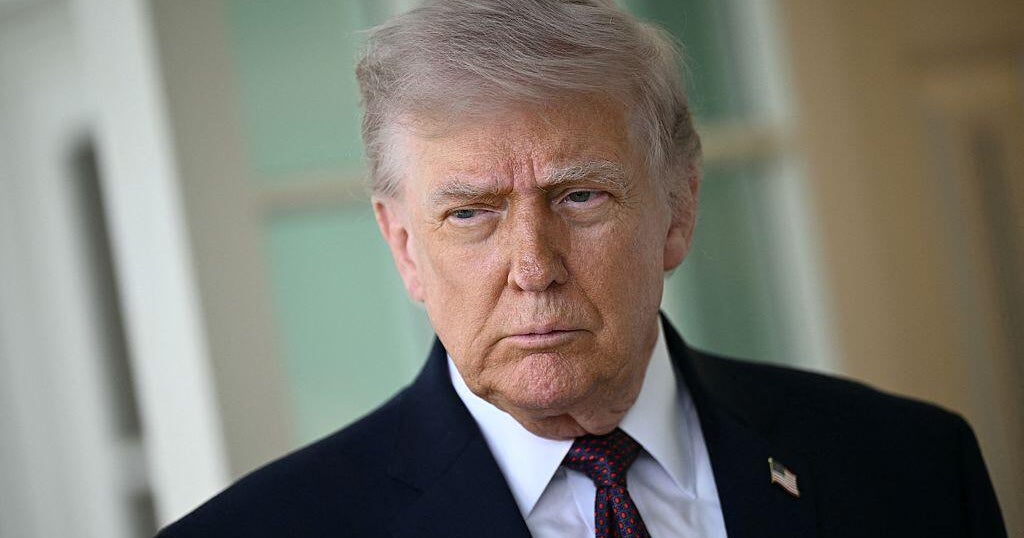
President Donald Trump confronts a critical deadline this Friday under the War Powers Resolution of 1973, which limits the use of U.S. military force without explicit congressional authorization. The law requires the president to notify Congress within 48 hours of deploying forces into hostilities and mandates withdrawal within 60 days unless Congress declares war or authorizes continued action.
The conflict with Iran began on February 28, with Trump formally notifying Congress on March 2, thus starting the 60-day countdown that expires this week. While the law permits a 30-day extension for safely withdrawing forces, it does not authorize ongoing offensive operations.
Republican lawmakers have largely supported Trump’s actions so far, blocking multiple Democratic resolutions aimed at restricting the war. However, some Republicans, including Senators John Curtis of Utah and Josh Hawley of Missouri, have expressed that military action should not continue beyond the 60-day limit without congressional approval. Curtis stated, “A period of 60 days is a fully sufficient window for presidents to take emergency measures in response to a national threat and then remit a decision to the duly elected representatives of the people as to whether a state of war should in fact be declared and continued.”
Despite the deadline, Defense Secretary Pete Hegseth testified that the 60-day clock may be paused due to the current ceasefire with Iran, which began on April 8 to facilitate peace talks. House Speaker Mike Johnson echoed this view, asserting, “We are not at war,” and emphasizing ongoing diplomatic efforts rather than active combat.
The administration’s position has sparked debate over whether the conflict qualifies as “hostilities” under the War Powers Resolution. Some officials argue that naval actions, including ship boardings and a blockade, do not constitute active hostilities, a rationale reminiscent of previous administrations’ interpretations during conflicts in Libya and Kosovo.
Legal experts caution that extending military action beyond the 60-day limit without congressional approval would be unlawful. David Super, a Georgetown Law professor, noted, “Once we pass the 60-day point without any approval from Congress, then this will be an indisputably illegal action.”
Congressional Democrats are considering legal action if the administration continues the war past the deadline without authorization. Senator Richard Blumenthal expressed support for a lawsuit, and Representative Ted Lieu stated, “I believe we would have a very strong argument that we would have standing.”
However, challenges remain regarding who has the legal standing to sue and whether courts would intervene. Super explained that courts have historically been reluctant to adjudicate war powers disputes, often deferring to Congress to use its funding authority to check the executive branch.
Some Republicans suggest the president could invoke the 30-day extension to withdraw forces, but experts doubt this will happen, as it would acknowledge the expiration of the 60-day period and congressional authority to limit hostilities.
The conflict’s future remains uncertain. Trump extended the ceasefire indefinitely last week but recently canceled planned peace talks. The ongoing standoff over Iran’s nuclear program and control of the Strait of Hormuz continues to fuel tensions and an energy crisis.
The War Powers Resolution has historically been ineffective in constraining presidential military action, with past administrations interpreting its provisions flexibly. David Janovsky of the Project on Government Oversight remarked, “It’s very hard to look back on the 50-year history of the War Powers Resolution and say that it has successfully constrained presidential action.”
As Friday’s deadline approaches, the administration and Congress face complex legal and political questions about the limits of executive war-making authority and the role of legislative oversight in the ongoing Iran conflict.








Be First to Comment