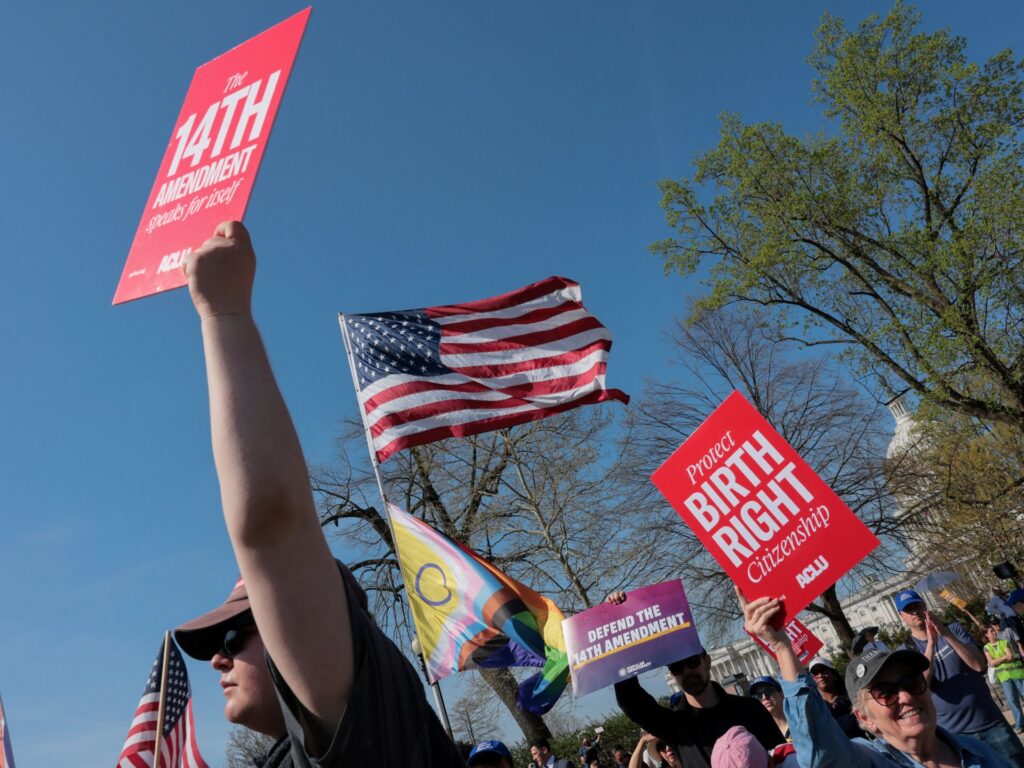
The Supreme Court rejected Donald Trump’s bid to end birthright citizenship for children born in the U.S. to undocumented or temporary-status parents. Trump urged Congress to pursue restrictions despite major legal and political obstacles.
Posts tagged as “the American Civil Liberties Union”
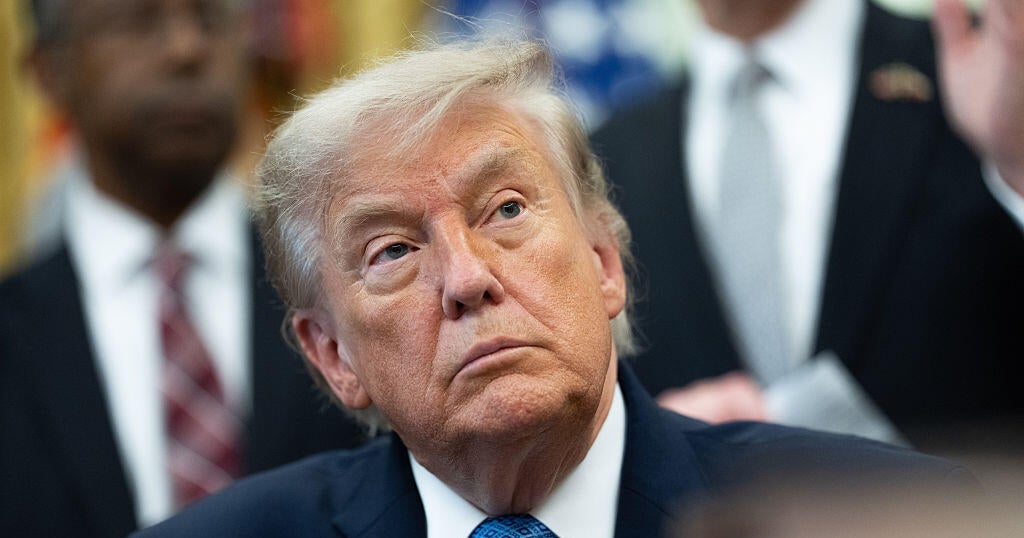
The Supreme Court ruled 6-3 that President Trump’s executive order limiting birthright citizenship was unlawful. The decision reaffirms the long-standing interpretation that nearly all people born in the United States are citizens.
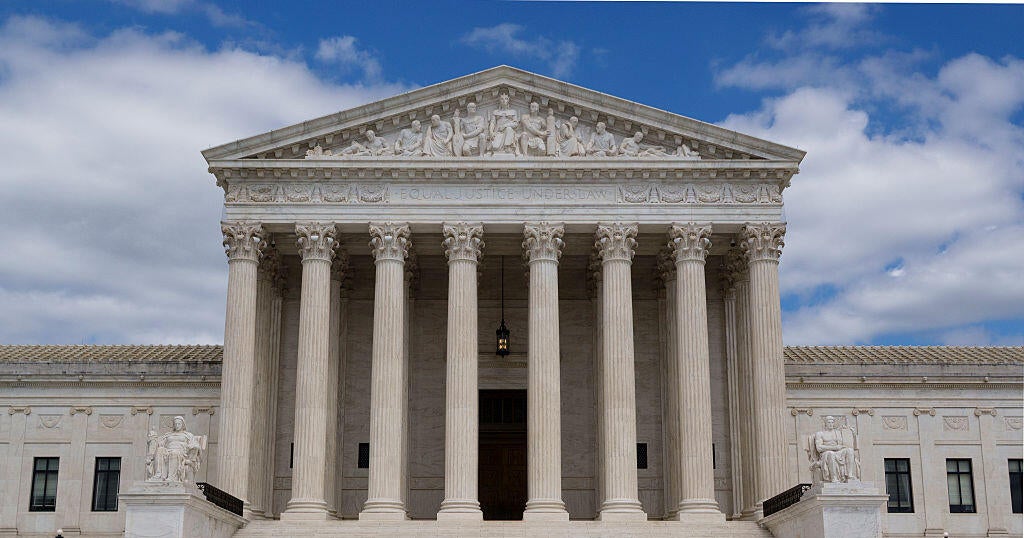
The Supreme Court unanimously sided with Ali Danial Hemani, a Texas marijuana user charged under a federal ban on gun possession by unlawful drug users. The justices said the ruling was narrow and did not invalidate the law in full.
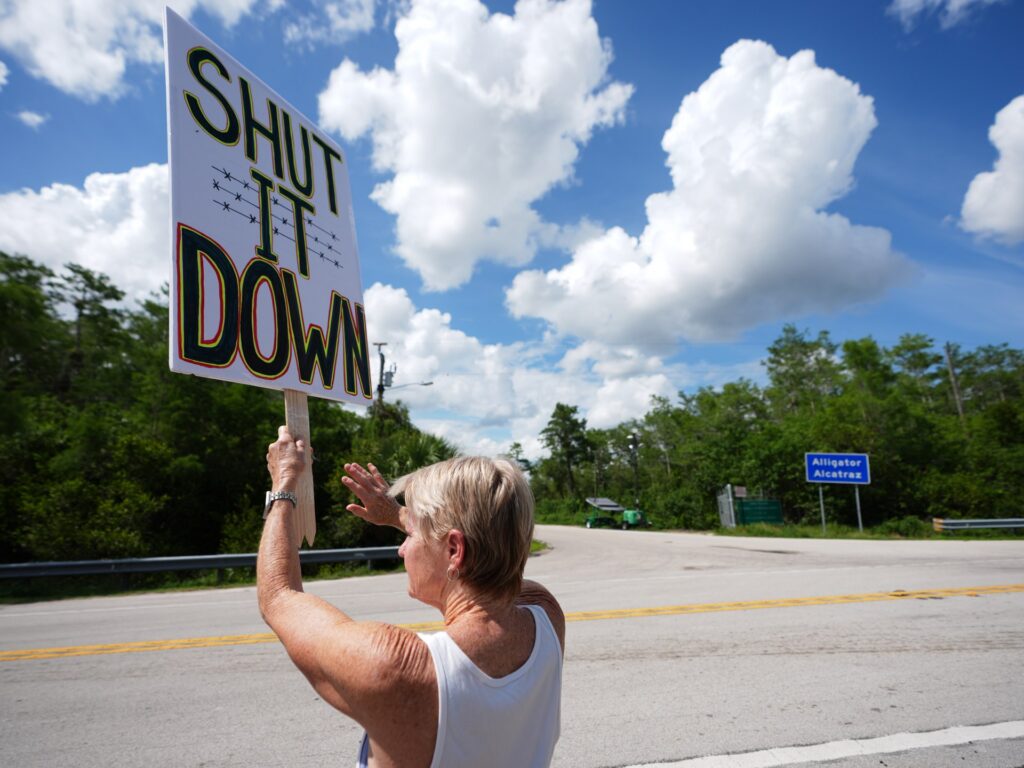
The Department of Homeland Security says all detainees have been moved out of Florida’s “Alligator Alcatraz” immigration facility because of hurricane-season safety concerns. Advocates and attorneys say the transfers follow months of complaints over conditions and access to legal counsel.

The House is set to vote on a short-term extension of Section 702, but Democratic opposition over Bill Pulte’s appointment as acting intelligence chief could doom the measure. Lawmakers remain divided over civil liberties, national security and what happens if the authority expires Friday.
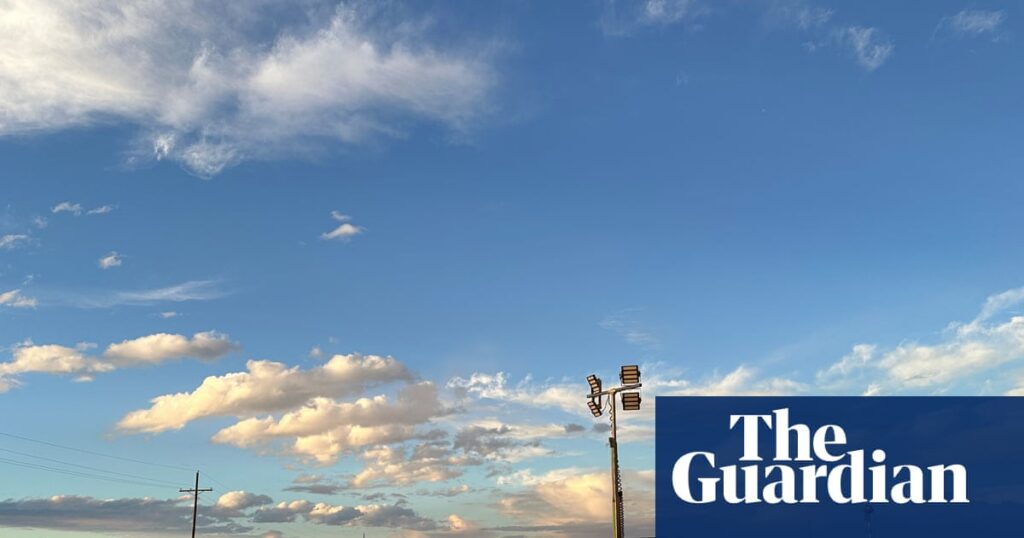
Four detainees at Texas's Camp East Montana file a federal lawsuit alleging severe abuses, including beatings, medical neglect, and unsanitary conditions at the largest ICE detention center in the U.S. DHS denies the claims.
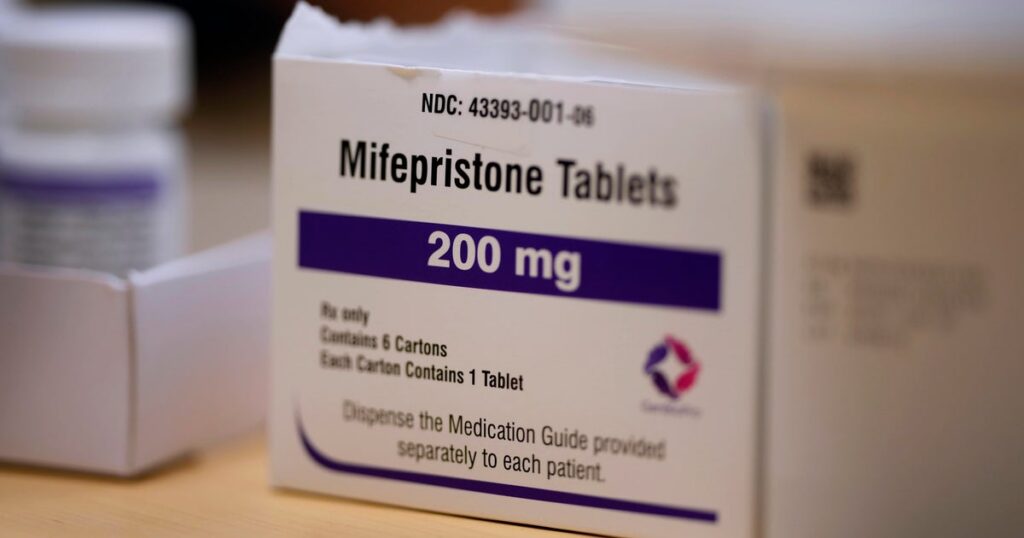
A federal appeals court has blocked the mailing of the abortion pill mifepristone nationwide, requiring in-person dispensing and limiting access through telehealth. The ruling supports Louisiana's abortion restrictions and challenges FDA regulations established during the COVID-19 pandemic.
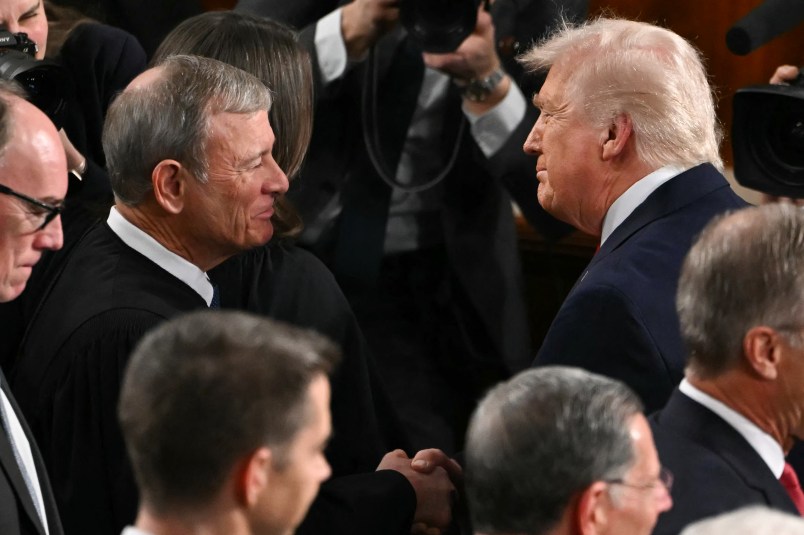
The Supreme Court will hear arguments on a Trump-era executive order aiming to restrict birthright citizenship by limiting it to children born to U.S. citizens or lawful permanent residents, challenging the traditional interpretation of the 14th Amendment’s Citizenship Clause. The administration argues that the clause’s phrase “subject to the jurisdiction thereof” excludes children of temporary visitors or undocumented immigrants, citing historical cases, while opponents maintain that longstanding legal precedent and the amendment’s language guarantee citizenship to nearly all born on U.S. soil. The Court’s decision could have significant implications for constitutional law and immigration policy, with former President Trump expected to attend the proceedings.