Key takeaways:
- DHS said all detainees at the state-run South Florida Detention Center were transferred but did not disclose the number of people moved or their destinations.
- The facility opened July 3, 2025, after President Donald Trump toured it with Florida Gov. Ron DeSantis, and was designed to hold up to 3,000 people.
- Attorneys and advocates reported detainees had described lack of access to lawyers, medical neglect, worms in food, sewage flooding and insects at the site.
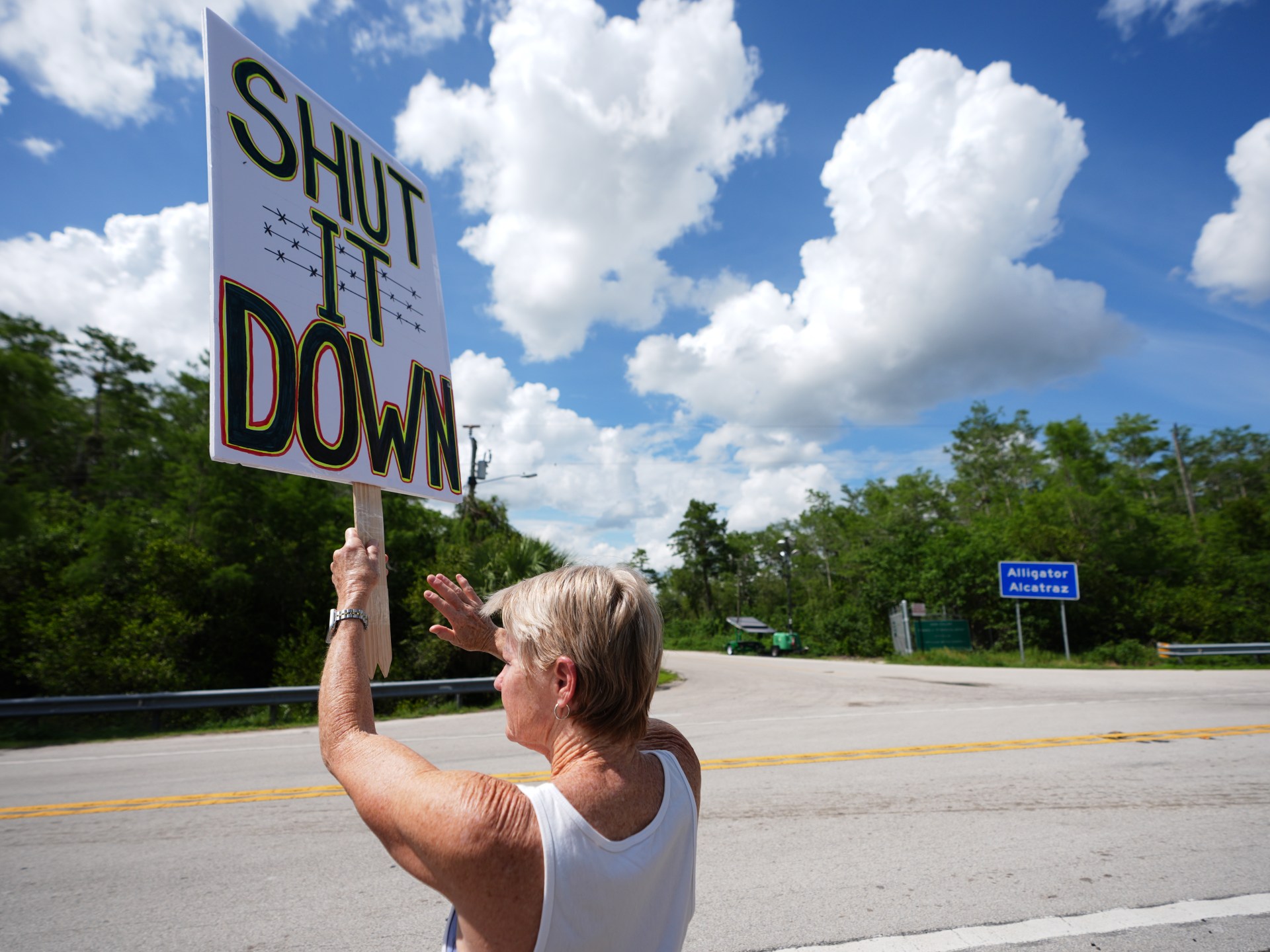
Federal officials have transferred all detainees out of Florida’s remote immigration detention center known as “Alligator Alcatraz,” citing hurricane-season safety concerns after months of lawsuits, rights complaints and criticism over conditions at the Everglades site.
The U.S. Department of Homeland Security said Wednesday that everyone held at the state-run South Florida Detention Center had been moved to other facilities. The agency did not say how many people were transferred, where they were sent or whether the facility would close permanently or temporarily.
“For the safety of the illegal alien detainees, we transferred them to other facilities,” DHS spokesperson Lauren Bis said in a statement to The Associated Press.
The facility, built on an isolated airstrip near the Everglades and Big Cypress National Preserve, opened July 3, 2025, during the Atlantic hurricane season. President Donald Trump toured it two days earlier with Florida Gov. Ron DeSantis, who later said the facility had always been intended to be temporary. DeSantis said in May that it had processed and deported 22,000 detainees since opening.
The site was announced nearly a year ago, on June 19, 2025, and was designed to hold up to 3,000 people. Officials described it as an aluminum-frame structure capable of withstanding winds equivalent to a Category 2 hurricane. Florida Attorney General James Uthmeier said at the time that the surrounding wetlands would deter escapes: “If people get out, there’s not much waiting for them other than alligators and pythons. Nowhere to go. Nowhere to hide.”
The center quickly drew scrutiny. Lawyers, families, immigration advocates and human rights groups said detainees struggled to reach attorneys and endured unsafe conditions, including medical neglect, food with worms, toilets that did not flush, floors flooded with fecal waste, mosquitoes and other insects. Indigenous leaders from the Miccosukee and Seminole nations also opposed the project, saying construction threatened nearby homes and ceremonial sites.
Amy Godshall, an American Civil Liberties Union attorney who filed a lawsuit against state and federal officials alleging detainees lacked access to legal representation, said the transfers were not enough.
“Transferring people out of this cruel facility is an important step, but it does not erase the harm that has already been done,” Godshall said. “The state and federal government must permanently close this facility and commit to never detaining people there again.”
Advocates questioned the hurricane-season explanation, noting that the center opened during hurricane season last year. The Atlantic season runs from June through November.
“That’s a nonsense excuse because they opened in the middle of the worst part of hurricane season last year,” said Arianne Betancourt, a community advocate with The Workers Circle who said she spent months connecting detainees with pro bono attorneys.
Betancourt and other advocates said they noticed more transfers in the past two weeks and lost contact with dozens of detainees. Katie Blankenship, an immigration attorney at Sanctuary of the South, said all 50 clients she and other attorneys had advised over the past 20 days had been moved to facilities in South Florida, California, Arizona, Louisiana and Texas.
“They are all gone,” Blankenship said. “They have been moved and disappeared into the system and are unavailable to family or counsel, typically for a period of about a week.”
She said she received no official transfer notices and learned of the moves after clients missed hearings or calls.
The Florida Division of Emergency Management, the main state agency responsible for operating the facility, did not immediately respond to an Associated Press request for information Wednesday. Al Jazeera reported that anonymous officials told The New York Times in May the facility was too costly to maintain.
The transfers came as the first named storm of the 2026 Atlantic hurricane season formed. NPR reported the storm formed off the Texas coast; Al Jazeera identified it as Tropical Storm Arthur in the Gulf of Mexico, moving toward Louisiana.









Be First to Comment