Key takeaways:
- Raúl Castro is charged with conspiracy to kill U.S. nationals, four counts of murder, and destruction of aircraft related to the 1996 downing of two civilian planes.
- The planes, operated by Brothers to the Rescue, were shot down over international waters, killing four Cuban Americans, according to U.S. investigations.
- The indictment alleges that orders to shoot down the planes came through the Cuban military chain of command, with Raúl and Fidel Castro as final decision makers.
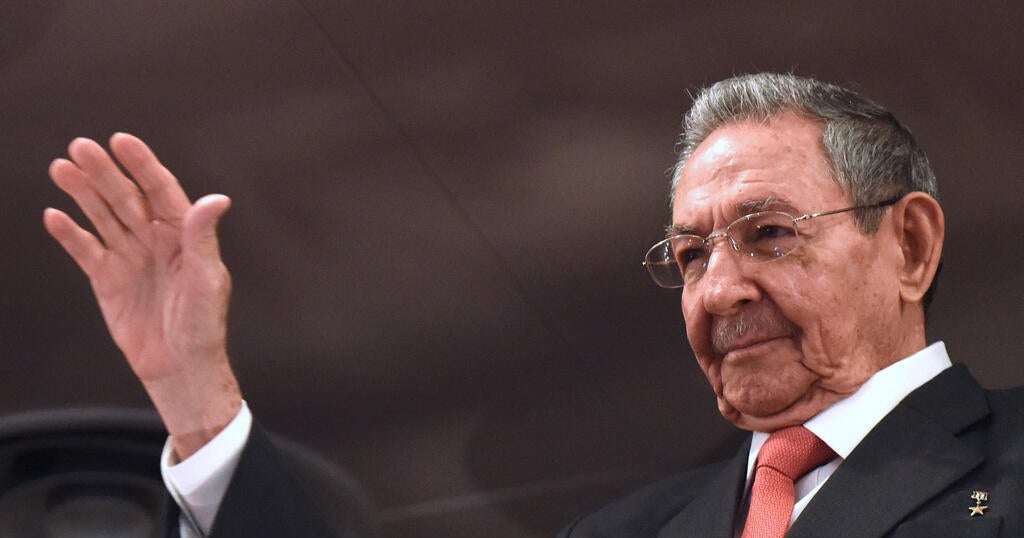
Federal prosecutors in Florida have indicted former Cuban leader Raúl Castro and five Cuban fighter pilots in connection with the 1996 downing of two civilian planes operated by the exile group Brothers to the Rescue, which resulted in the deaths of four Cuban Americans. The indictment, unsealed Wednesday in Miami, charges the 94-year-old Castro with conspiracy to kill U.S. nationals, four counts of murder, and two counts of destruction of aircraft. The other defendants are accused of participating in the military operation that shot down the planes.
The charges relate to the February 24, 1996 incident when a Cuban MiG-29 fighter jet shot down two Cessnas flying over international waters. The planes belonged to Brothers to the Rescue, a Florida-based group that flew missions to locate and assist Cubans attempting to flee the island. The indictment alleges the planes were outside Cuban airspace at the time of the shootdown, a claim supported by investigations from the United Nations’ International Civil Aviation Organization and the Inter-American Commission on Human Rights. Cuba has consistently denied this, asserting the planes violated its airspace.
Acting U.S. Attorney General Todd Blanche announced the charges at a news conference held at Miami’s Freedom Tower, a symbolic site for Cuban Americans. He said the indictment alleges that Raúl Castro and five co-defendants participated in a conspiracy that ended with Cuban military aircraft firing missiles at civilian planes, killing four Americans. Blanche added that all orders to kill traveled through the Cuban military chain of command, with Raúl and Fidel Castro as the final decision makers.
The indictment also details Cuba’s intelligence efforts to infiltrate Brothers to the Rescue, including a spy network known as the Wasp Network. It names Juan Pablo Roque, a Cuban double agent who defected to the U.S. but returned to Cuba just before the shootdown, alleging he falsely informed the FBI that Brothers to the Rescue would not be flying during the weekend of February 24, 1996.
Family members of the victims attended the announcement. Miriam de la Peña, mother of one of the men killed, expressed hope that justice would be served, saying, “We are overly hopeful and thankful that finally our children are looked at as human beings who were murdered under a dictatorship who extended their tentacles to international waters to kill American citizens, and that cannot be allowed.”
Raúl Castro, who was Cuba’s defense minister at the time and later served as president and Communist Party leader, remains influential in Cuba despite stepping down from official roles. The indictment comes amid heightened tensions between the U.S. and Cuba, with the Trump administration imposing sanctions and threatening further actions to pressure the Cuban government for political and economic reforms.
Secretary of State Marco Rubio addressed the Cuban people in a video message, saying they were “going through unimaginable hardships” and attributing these difficulties to corruption and mismanagement by those controlling the country. Cuban President Miguel Díaz-Canel responded on social media, emphasizing Cuba’s anti-imperialist sentiment amid ongoing threats to the nation’s independence and sovereignty.
The U.S. government does not expect Cuba to extradite Raúl Castro, and it remains uncertain how or if he will face trial. Blanche stated the indictment is serious and that there are various methods to bring foreign defendants to justice. The case represents a notable development in U.S. efforts to hold Cuban officials accountable for past actions against American citizens.



Be First to Comment