
Republican senators have raised concerns about budget cuts proposed by Elon Musk, emphasizing the potential human and political consequences, and have engaged in discussions with Musk, who assured them that any cuts would require congressional approval. Concurrently, Justice Samuel Alito issued a strong dissent regarding a court ruling on a $2 billion payment for completed work, highlighting tensions over government financial obligations. Additionally, Secretary of State Marco Rubio and Transportation Secretary Sean Duffy criticized Musk for recent employee terminations, reflecting broader debates over the impact of cost-cutting measures on government operations, while a controversial Supreme Court decision has sparked backlash against Justice Amy Coney Barrett from conservative circles.
Posts tagged as “John Roberts”
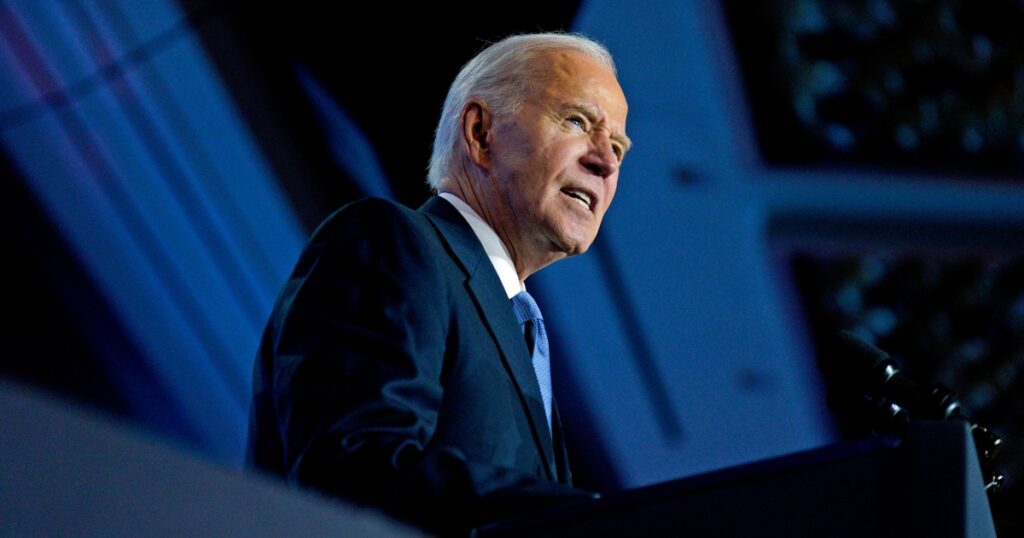
Former President Donald Trump has appointed Alice Marie Johnson, whose life sentence for a nonviolent drug offense he previously commuted, as the new "pardon czar," highlighting the potential for second chances and the impact of clemency. Johnson, now an advocate for criminal justice reform, expressed her gratitude and commitment to her role, emphasizing the transformative power of clemency. Meanwhile, Elizabeth Oyer continues to oversee the clemency process as the U.S. pardon attorney, ensuring fairness and transparency, while political tensions remain high with incidents such as Rep. Al Green's removal from the House chamber and interactions between Trump and Chief Justice John Roberts drawing attention.

The Supreme Court has ruled to uphold a lower court's order requiring the Trump administration to allocate nearly $2 billion in foreign aid funds, concluding a temporary pause initiated by Chief Justice John Roberts. This decision affirms the authority of a federal judge to mandate the release of funds to USAID contractors, although it does not require immediate payment. The ruling emphasizes the judiciary's oversight role in the executive branch's management of foreign assistance, ensuring adherence to legal processes in the allocation of international aid.

On Tuesday, a funeral service for the late Justice Sandra Day O'Connor, the first woman to serve on the Supreme Court, will be held at the Washington National Cathedral. President Joe Biden and Chief Justice John Roberts will offer eulogies, and the service will be live-streamed for the public. It follows a private ceremony at the Supreme Court on Monday, honoring O'Connor's pioneering role in the Supreme Court.

Justice Sandra Day O’Connor, the first woman to serve on the Supreme Court, passed away at the age of 88 due to complications related to advanced dementia. Chief Justice John Roberts praised her as a “fiercely independent defender of the rule of law” and an advocate for civics education. O’Connor was appointed to the Supreme Court by President Ronald Reagan in 1981 and was a strong supporter of civics education, founding the iCivics program and advocating for students to observe oral arguments.

Key takeaways: The Supreme Court issued a ruling that will have a major impact on the availability of “ghost guns” in the United States. The…
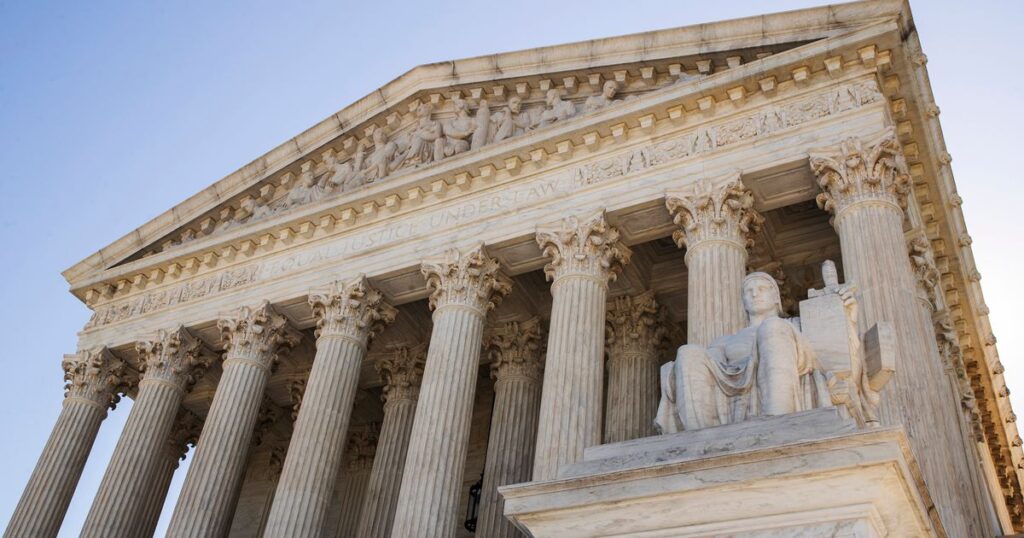
The Supreme Court has ruled in favor of allowing Alabama to redraw its congressional maps with greater representation for Black voters. This could potentially send another Democrat to Congress, and is a victory for Black voters in Alabama who have long been underrepresented. The ruling orders Alabama to redraw its maps with an additional Black majority district or “something quite close to it”, and Secretary of State John Merrill has submitted three proposals to do so.
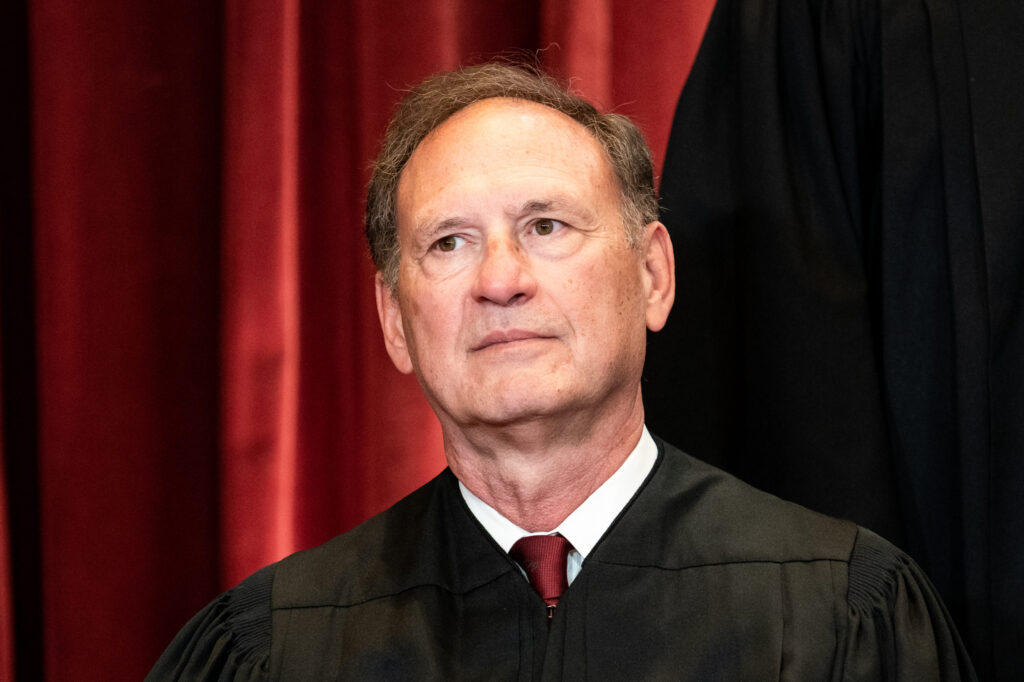
The White House has filed a complaint against Supreme Court Justice Samuel Alito for his involvement in an interview with The Wall Street Journal, in which he stated that Congress does not have the authority to impose ethics rules on the Supreme Court. In response, Democratic Senator Sheldon Whitehouse has sent a letter to Chief Justice John Roberts, accusing Alito of obstructing a congressional investigation and demanding action. The White House's complaint is the latest in a series of attempts to hold the Supreme Court accountable for its actions.