
The Supreme Court has granted a temporary pause to the Biden administration's efforts to regulate so-called ghost guns, which are firearm-making kits available online. The regulations require background checks and registration with the Bureau of Alcohol, Tobacco, Firearms and Explosives, and are intended to protect public safety. Opponents of the regulations argue that they infringe on the Second Amendment right to bear arms, and the legal battle over the regulations is likely to continue in the lower courts.
Posts tagged as “John Roberts”
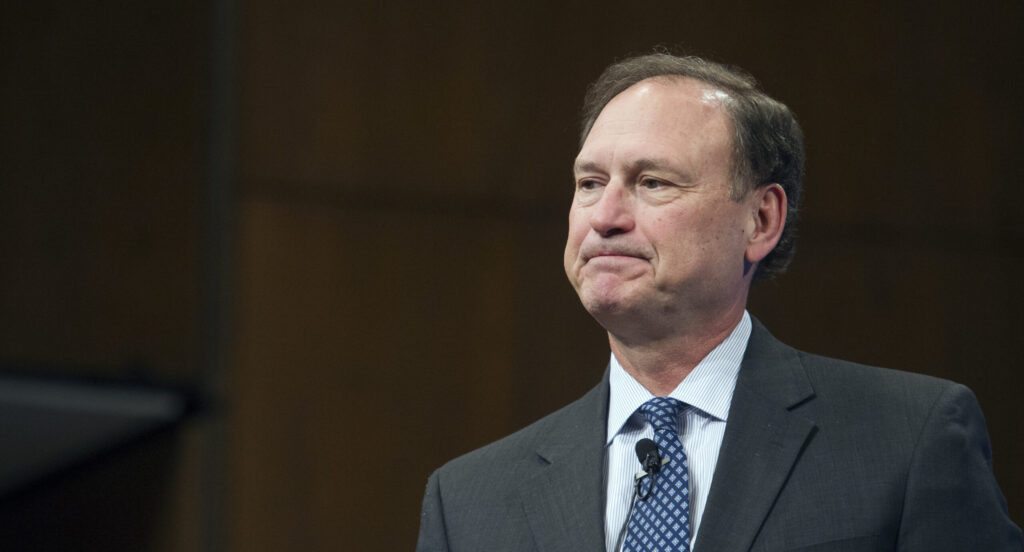
A coalition of Senate Democrats has urged Supreme Court Chief Justice John Roberts to take action to ensure Associate Justice Samuel Alito recuses himself from cases involving regulation of the court. The request follows a report of an undisclosed luxury fishing trip with a Republican billionaire who later had cases before the court, as well as a column written by a former clerk of Alito's that raised further questions about the court's ethical standards. The Democrats are asking Roberts to ensure Alito recuses himself from any cases involving laws that regulate the High Court, and it remains to be seen how Roberts will respond.
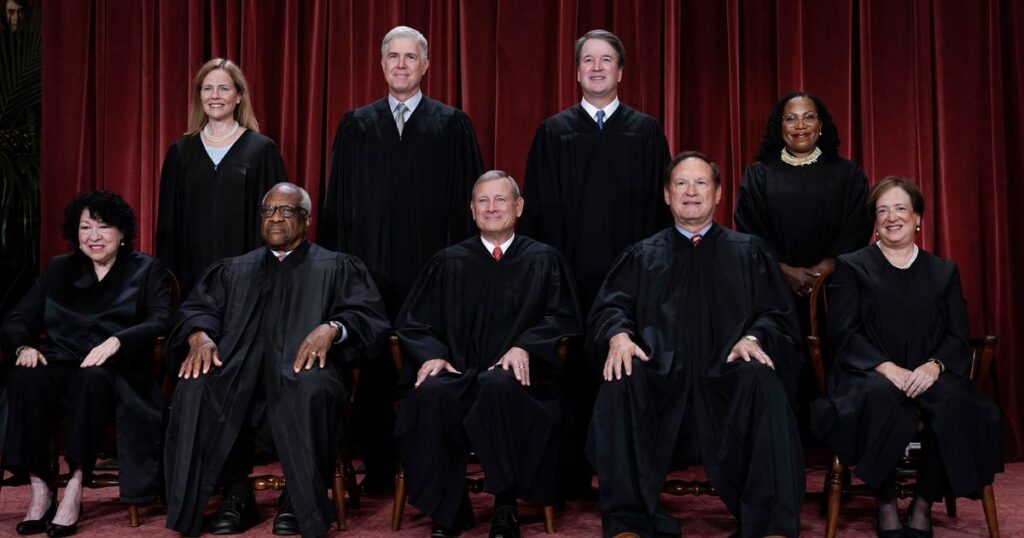
Sen. Lindsey Graham (R-SC) spoke at a press conference on Wednesday, urging the Supreme Court to "get their house in order" and for Congress to stay out of the Court's business. The bill proposed by Democrats would impose new ethics rules and transparency standards on the Supreme Court, but Republicans are strongly opposed to it. The Senate Judiciary Committee is expected to vote on the bill Thursday, and the implications of the bill remain to be seen.
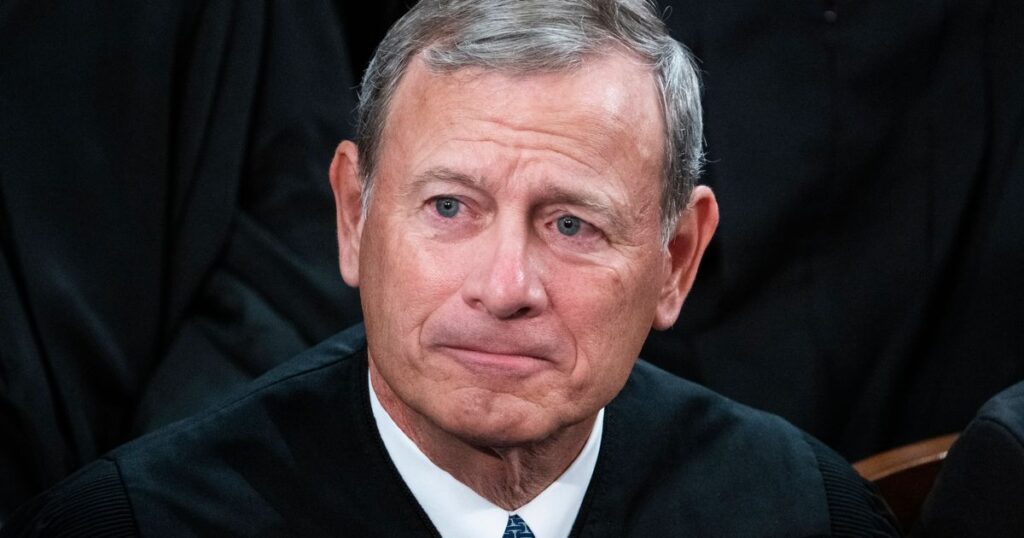
The Supreme Court ruled Friday that President Joe Biden's student loan debt forgiveness plan is unconstitutional, with Chief Justice John Roberts employing a "major questions" argument to nix usual court deference to executive branch agency. This means that the 26 million Americans who signed up for the debt forgiveness program will no longer have their debt partially or fully wiped away. The ruling has been met with criticism from both sides of the aisle and it remains to be seen how the Biden administration will respond to the ruling.
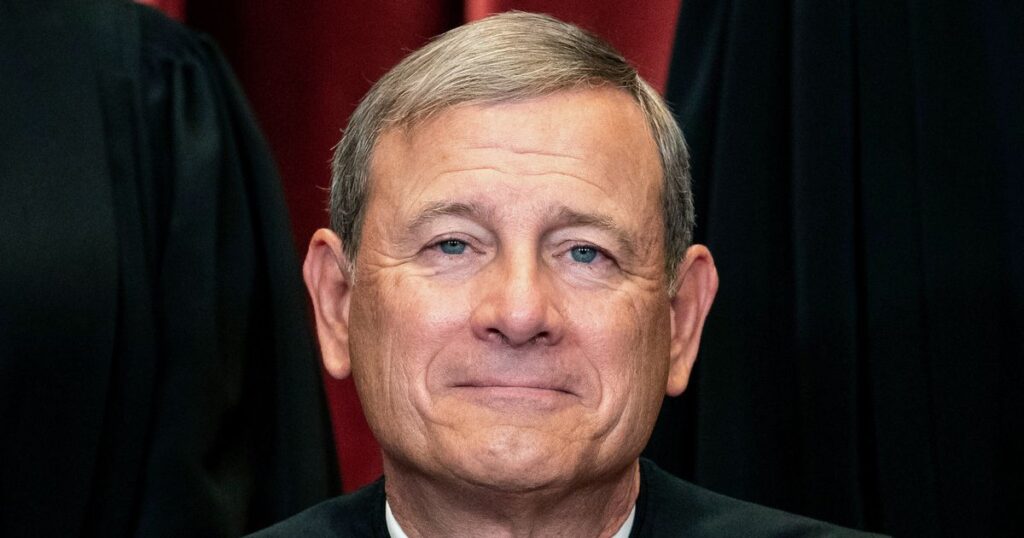
Key takeaways: The Supreme Court’s decision has been widely criticized by Democrats, who say it is a sign of a legitimacy crisis for the nation’s…
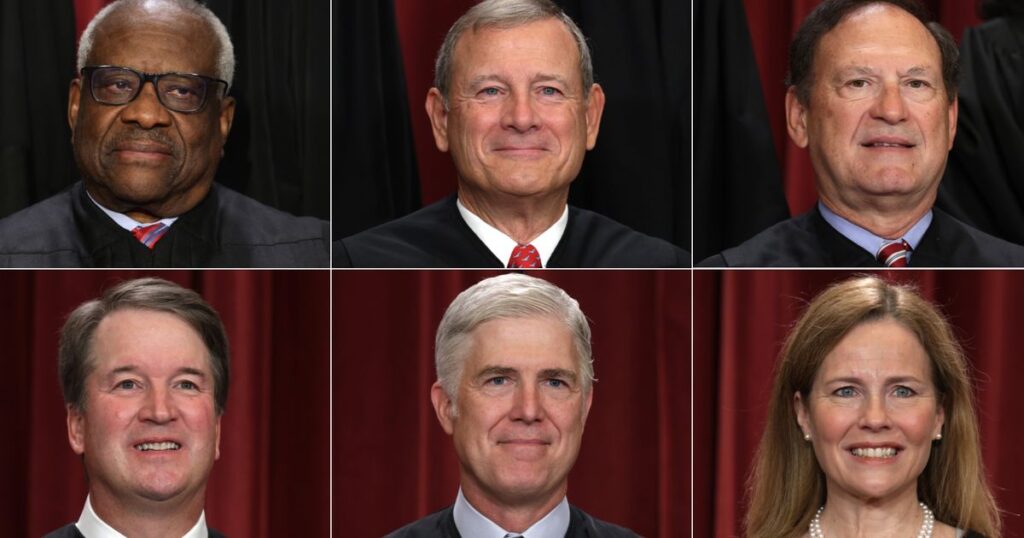
The United States Supreme Court ruled on Thursday that affirmative action programs at Harvard College and the University of North Carolina are unconstitutional, meaning that race can no longer be a factor in college admissions. The decision has been met with criticism from those who argue that affirmative action is necessary to provide equal access to educational opportunities for students of color, while supporters of the decision argue that race-conscious policies are unconstitutional. The ruling is likely to have a lasting impact on the diversity of college campuses across the country.
The Supreme Court issued a 6-3 ruling on Thursday that race-conscious admission programs at two colleges were unconstitutional, with Chief Justice John Roberts arguing that it violated the 14th Amendment's equal protection clause. Justice Sonia Sotomayor wrote the primary dissent, joined by Justice Elena Kagan, and Justice Ketanji Brown Jackson also penned a separate dissent, joined by Kagan. The ruling has been met with criticism from civil rights groups, and is likely to have far-reaching implications for universities across the country.
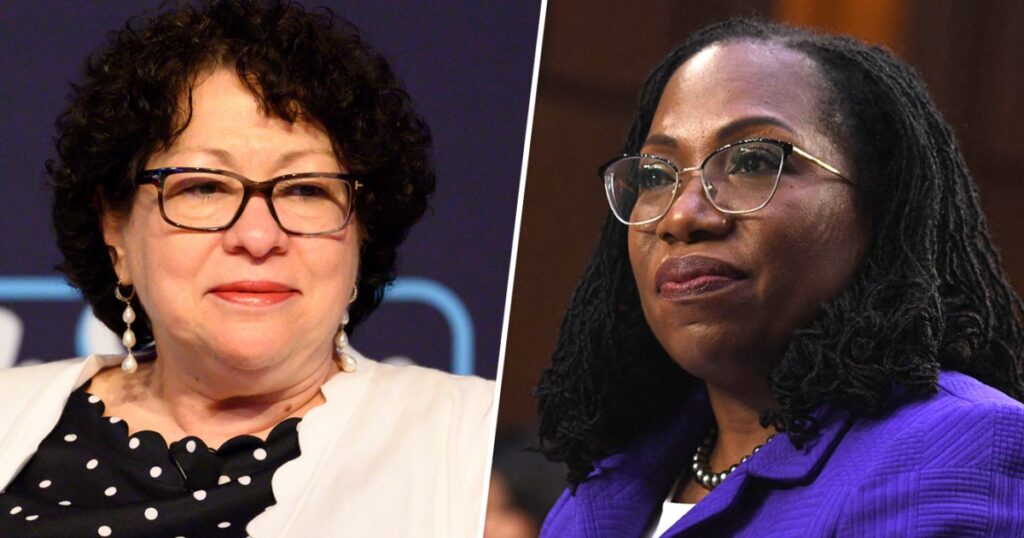
The Supreme Court has ruled that the use of affirmative action in college admissions is unconstitutional, with Chief Justice John Roberts writing the majority opinion and Justice Sonia Sotomayor writing a dissenting opinion. This decision is likely to have a significant impact on college admissions, as many institutions have long relied on affirmative action as a way to promote diversity on campus.