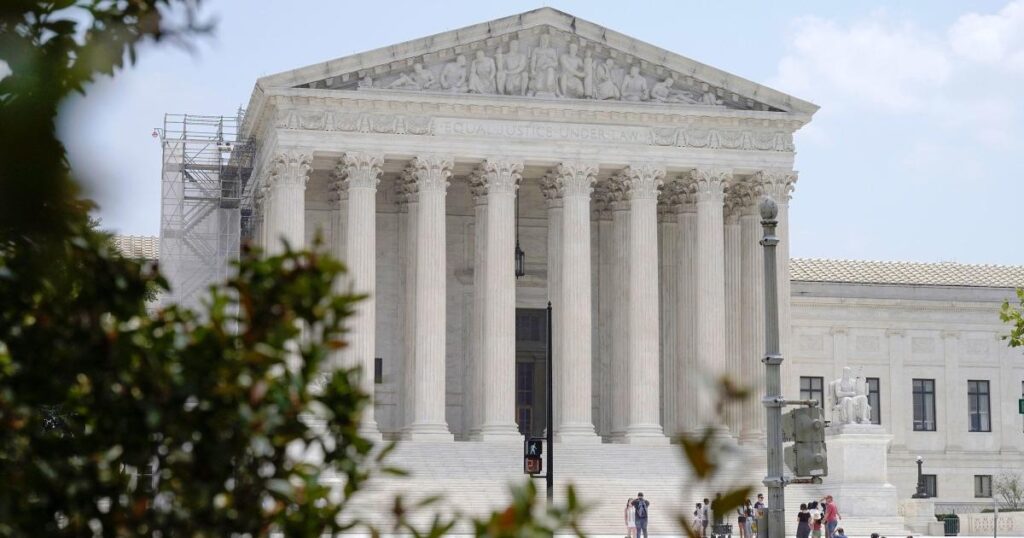
The Supreme Court ruled 6-3 and 6-2 that race-conscious admission policies of Harvard College and the University of North Carolina violate the Constitution, bringing an end to affirmative action in higher education. Chief Justice John Roberts wrote the majority opinion, which could have implications for other areas of the law such as employment and housing. The ruling is a major victory for Students for Fair Admissions, Inc., and could have a major impact on college admissions nationwide.
Posts tagged as “John Roberts”
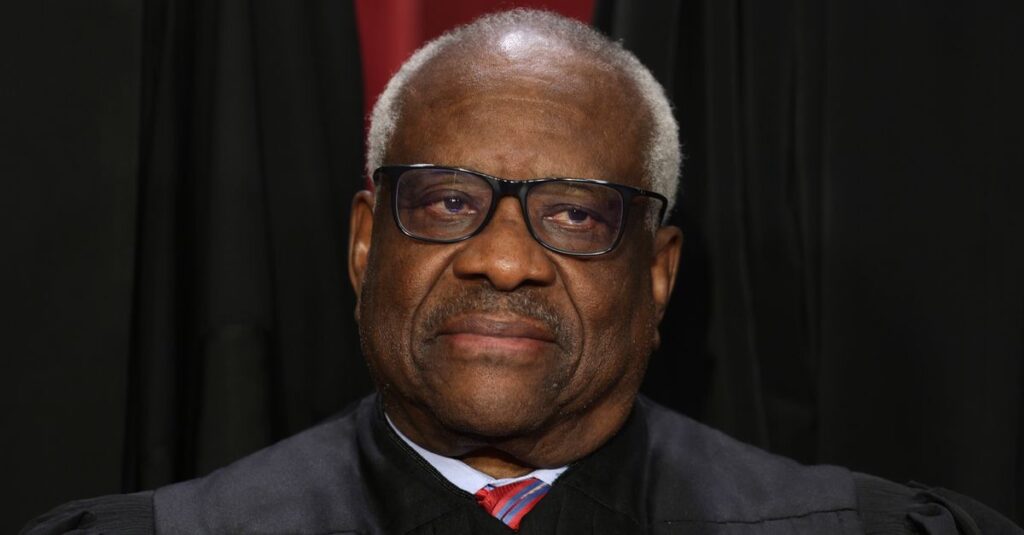
A bipartisan group of lawmakers is calling for an investigation into allegations of ethical improprieties against Supreme Court Justice Clarence Thomas and for reforms to prevent similar violations in the future. The letter, led by Rep. Dan Goldman (D-N.Y.), calls for an independent investigative body and an ethics council to provide advice to justices on disclosure requirements, recusal and other ethics issues. The letter comes after reports of Justice Samuel Alito traveling at the expense of another top Republican donor, and is a sign of growing bipartisan concern over ethical issues in the Supreme Court.
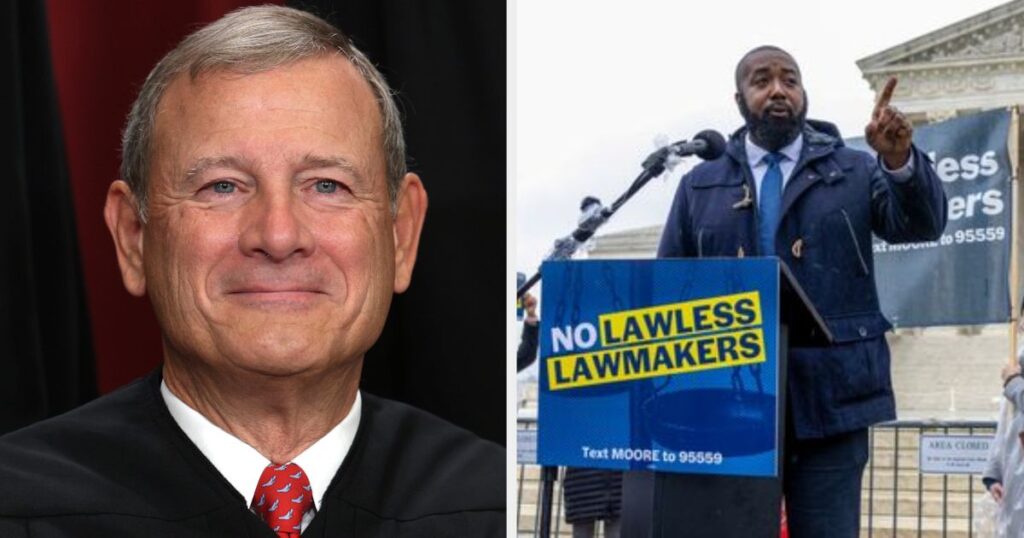
Key takeaways: The Supreme Court rejected the independent state legislature theory proposed by Republicans in the North Carolina legislature. This decision prevents state legislatures from…
The Supreme Court ruled against Republicans in North Carolina in Moore v. Harper, finding that the Constitution's Elections Clause does not support the independent state legislative theory which would have given state lawmakers unfettered power to set the rules for federal elections in their states. The ruling is a victory for voting rights advocates and reaffirms the role of the courts in ensuring that state legislatures do not pass laws that violate the Constitution.
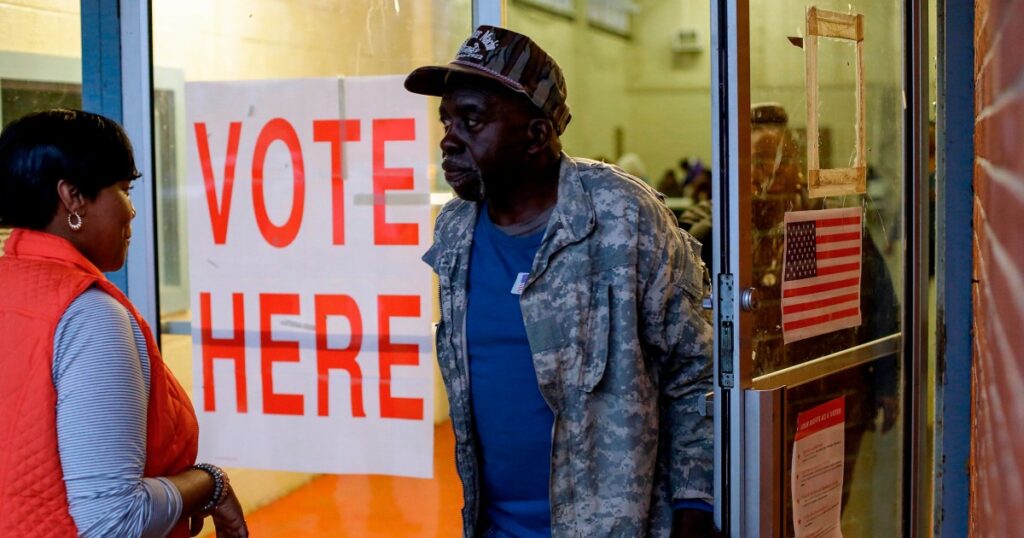
Key takeaways: The Supreme Court ruled that Alabama violated the Voting Rights Act by diluting the Black vote when it drew new congressional maps. The…
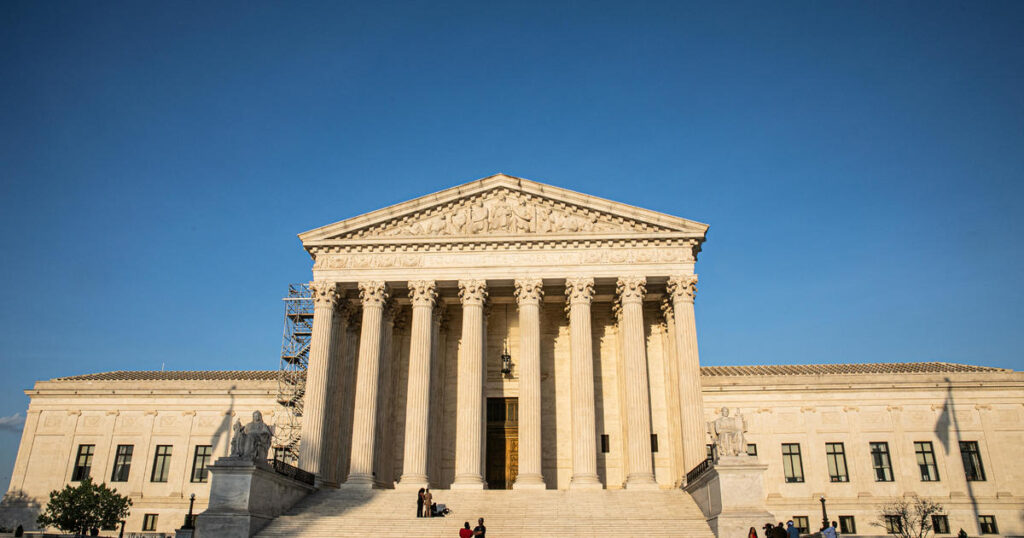
Key takeaways: The Supreme Court’s ruling is a major victory for voting rights, and a major setback for those who seek to dilute the voting…

Key takeaways: The Supreme Court’s ethical conduct has come under increased scrutiny in recent months. The court has formed a committee to craft new ethics…

Sen. Dick Durbin (D-Ill.) has called for the Supreme Court and Chief Justice John Roberts to adopt a binding code of conduct in response to a ProPublica story that revealed Dallas real estate billionaire Harlan Crow had paid tuition for Supreme Court Justice Clarence Thomas’ grandnephew. Durbin argued that the revelations demonstrate the need for a binding code of conduct, and his call for action has been echoed by other lawmakers. The Supreme Court currently has a code of conduct, but it is not binding.