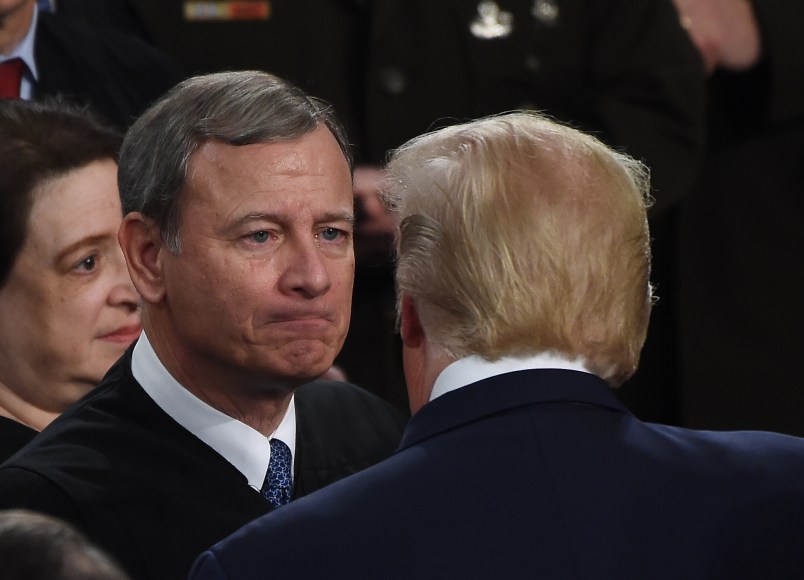
The U.S. Supreme Court heard arguments in Trump v. Barbara, a case challenging President Trump’s executive order to end birthright citizenship for children born in the U.S. to undocumented immigrants, focusing on the interpretation of the 14th Amendment’s Citizenship Clause. Justices expressed skepticism about the administration’s narrow reading of “subject to the jurisdiction thereof,” with several questioning the practicality and historical basis of excluding children of undocumented parents from citizenship. The Court’s forthcoming decision could significantly impact immigration policy and constitutional rights, with indications that a majority may uphold the longstanding broad protections of birthright citizenship.
Posts tagged as “John Roberts”

The Supreme Court issued a decision regarding Kilmar Abrego Garcia, a Maryland resident mistakenly deported to El Salvador, mandating the Trump administration to facilitate his release from custody there. The court's ruling requires additional proceedings in a federal district court to ensure Garcia's case is handled as if he had not been deported, partly granting and partly rejecting the Justice Department's emergency request. While the decision does not mandate Garcia's immediate return to the U.S., it emphasizes the administration's duty to provide information on their efforts to address the situation, highlighting the complexities of immigration and deportation cases.
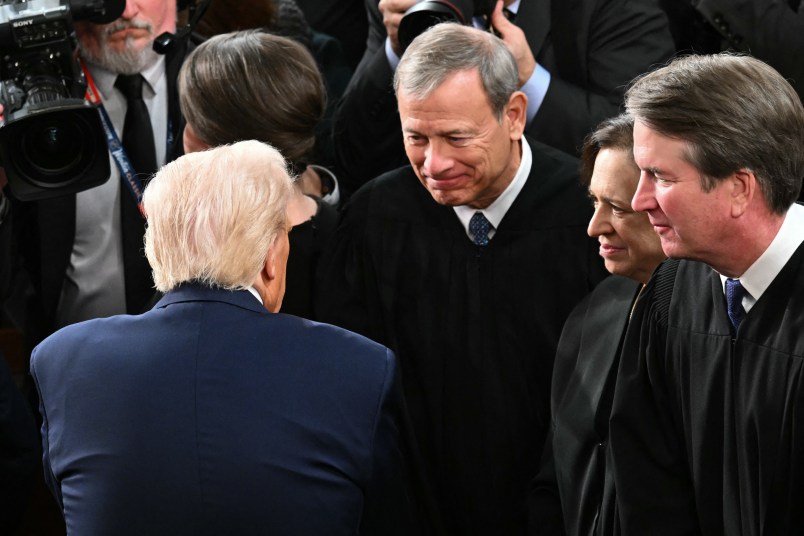
Chief Justice John Roberts issued an administrative stay to halt the deportation of Kilmar Abrego Garcia, a legal resident mistakenly deported to El Salvador despite a court order prohibiting his removal. The case has exposed flaws in the immigration enforcement system, as Abrego Garcia was wrongfully linked to the MS-13 gang based on insufficient evidence, leading to his deportation. The Supreme Court's intervention highlights ongoing tensions between the executive branch and the judiciary, with significant implications for immigration policy and the rights of legal residents.

Chief Justice John Roberts has temporarily stayed a lower court's order requiring the return of Kilmar Armando Abrego Garcia, who was mistakenly deported to El Salvador, to allow the Supreme Court more time to review the case. The Justice Department sought emergency relief from the Supreme Court as the Trump administration faced a deadline to bring Abrego Garcia back, raising significant questions about the criteria for deportation. This case underscores the complexities of immigration enforcement and deportation processes, with the Supreme Court's forthcoming decision potentially impacting similar future cases.
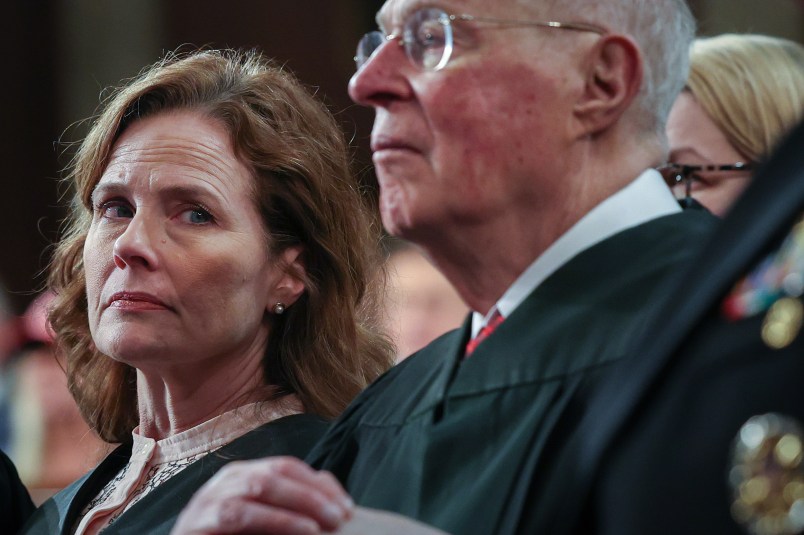
U.S. District Judge James Boasberg has temporarily blocked the Trump administration's attempt to deport migrants using a rarely used wartime law, leading to significant backlash from President Trump and his supporters, who have called for his impeachment. Despite the criticism, Boasberg, a bipartisan appointee with a long-standing career, is seen as asserting judicial independence amidst political tensions over immigration enforcement. The situation has escalated with personal attacks on Boasberg and his family, highlighting the contentious political climate and ongoing tensions between the Trump administration and the federal judiciary.
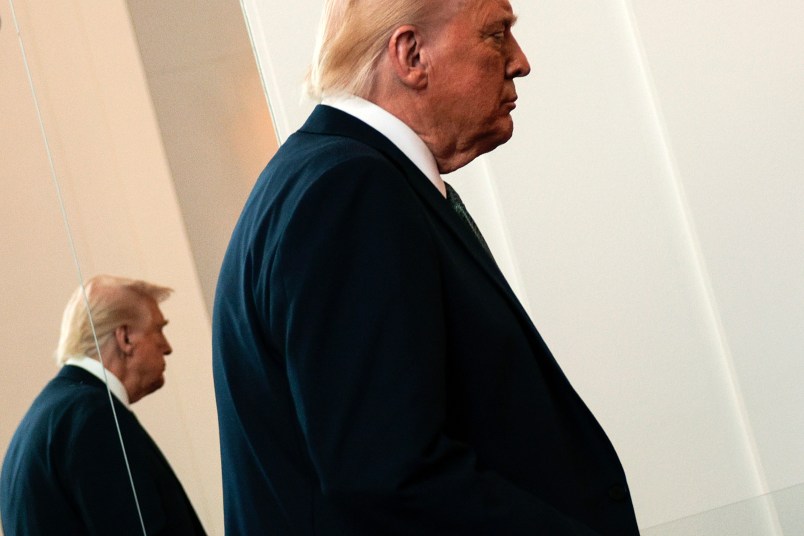
The United States Institute of Peace (USIP) has filed a lawsuit to prevent its forced shutdown by the Department of Government Efficiency, alleging a "takeover by force" involving several government agencies. This legal action is part of a broader conflict between the Trump administration and the federal judiciary, highlighted by President Trump's call for the impeachment of a federal judge, which prompted a rare public defense of judicial independence by Chief Justice John Roberts. The outcome of the USIP's lawsuit could have significant implications for the autonomy of independent organizations and the balance of power between government branches.
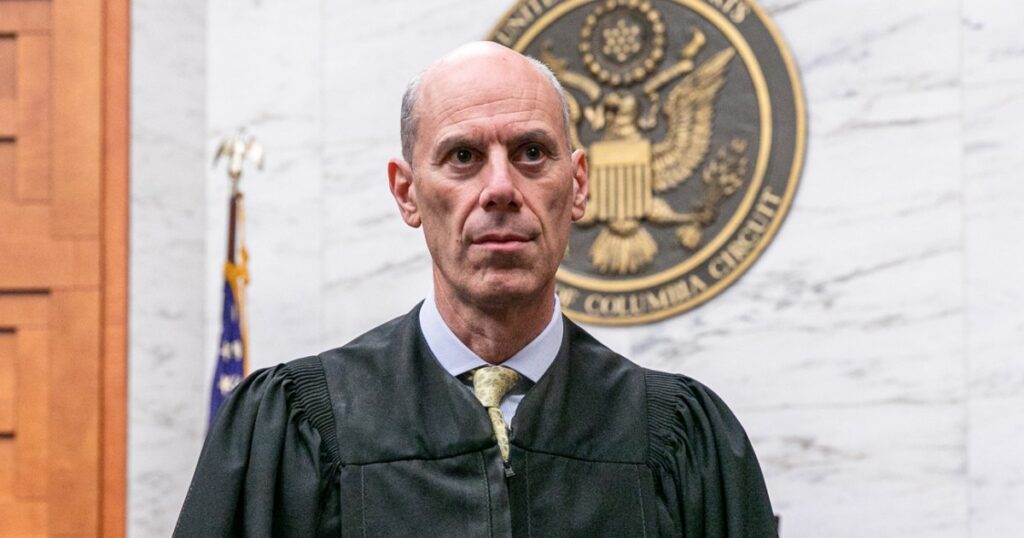
Chief Justice John Roberts issued a statement defending federal judges who have ruled against the Trump administration, emphasizing that impeachment is not an appropriate response to differing judicial opinions. His statement, released by the Supreme Court's public information office, highlights the importance of judicial independence and the established processes for addressing disagreements with court rulings. Concurrently, the Justice Department is engaged in a legal dispute with U.S. District Judge James Boasberg over a ruling requiring more information on deportations under a wartime act, underscoring ongoing tensions between the judiciary and the executive branch regarding the separation of powers.
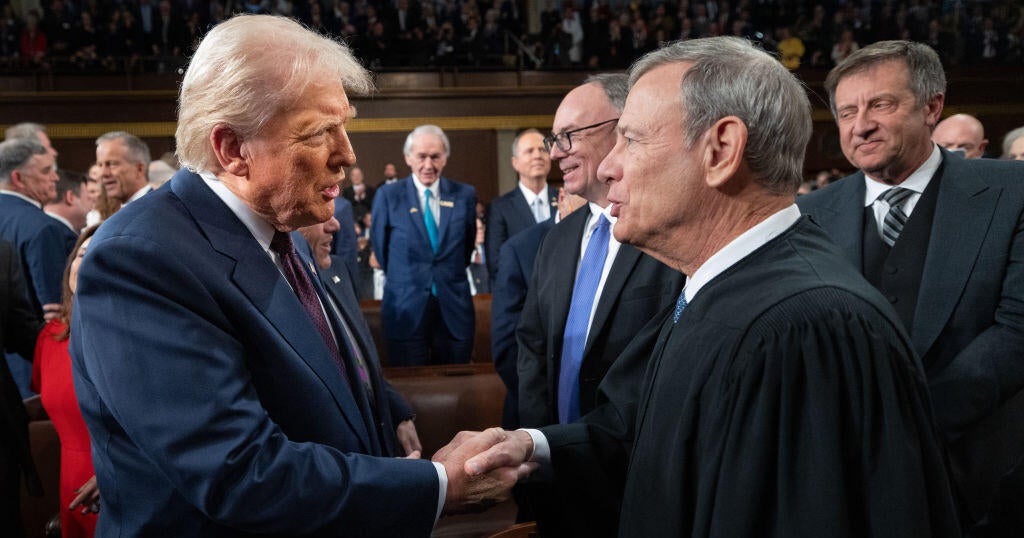
Chief Justice John Roberts issued a statement addressing calls for the impeachment of federal judges who have ruled against the Trump administration, emphasizing that impeachment is not an appropriate response to judicial decisions. He highlighted that disagreements with court rulings should be resolved through the appellate review process, underscoring the importance of judicial independence and established legal procedures. This statement comes amid tensions between the executive branch and the judiciary, sparked by President Trump's criticism of a federal judge on social media, and serves as a reminder of the foundational principles of separation of powers in the U.S. legal system.