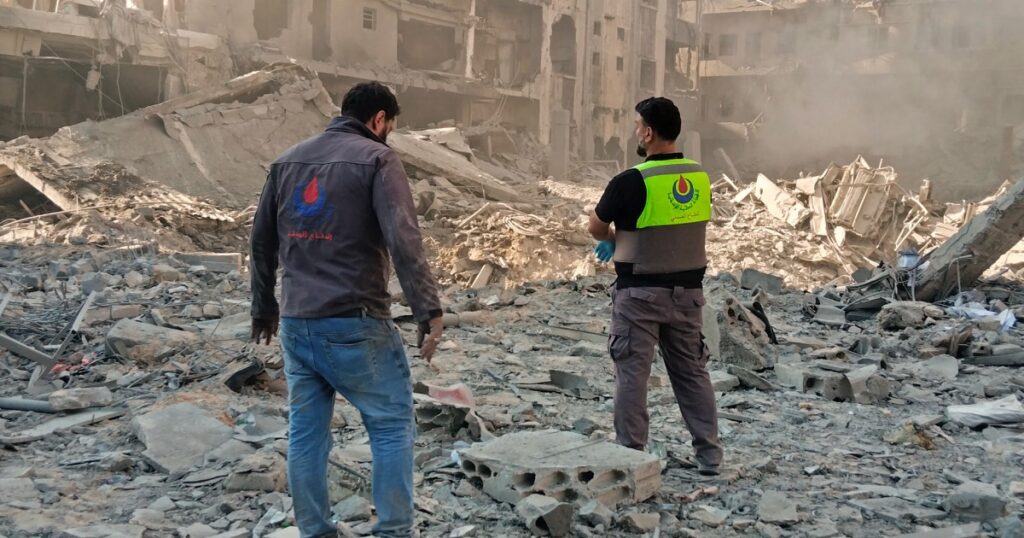
Iran suspends indirect talks with the U.S. amid Israel's intensified Lebanon offensive, as the war that began on March 2 causes thousands of casualties and escalates maritime threats.
Posts tagged as “Arab Israeli”

US political commentators Cenk Uygur and Hasan Piker say the UK has barred them from entry, citing their criticism of Israel. British officials described their presence as "not conducive to the public good." Both were scheduled to speak at SXSW London and Oxford University.
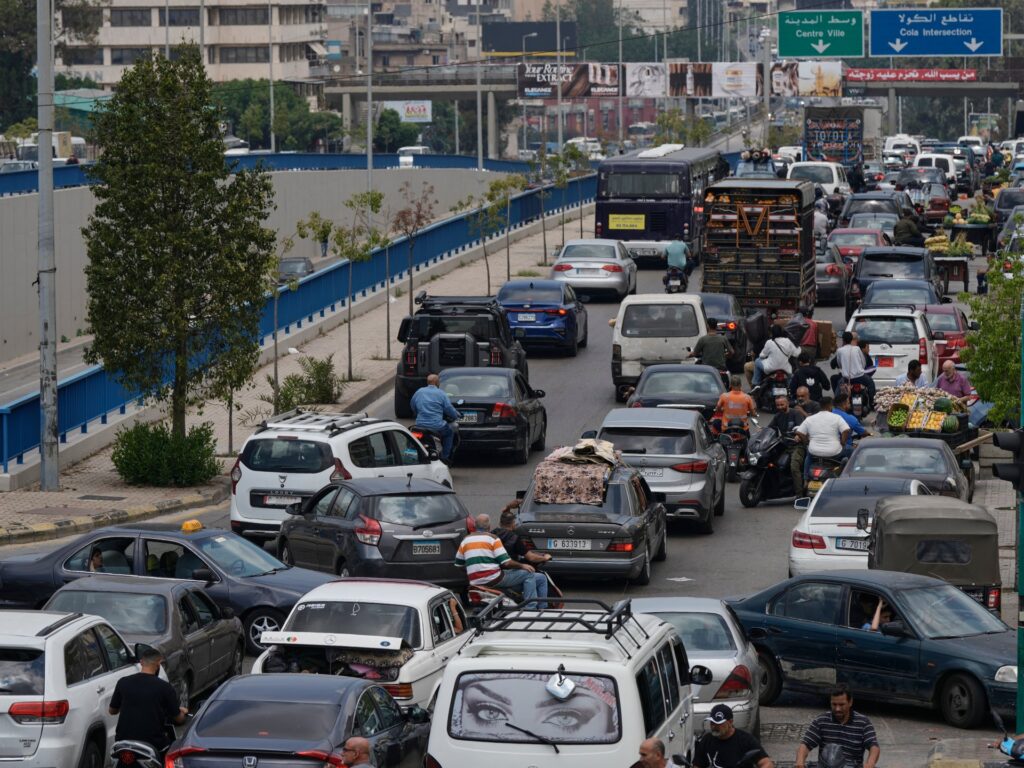
Israel orders strikes on Hezbollah-controlled southern Beirut suburbs, escalating conflict amid stalled ceasefire efforts. Thousands flee as diplomatic talks continue without resolution.
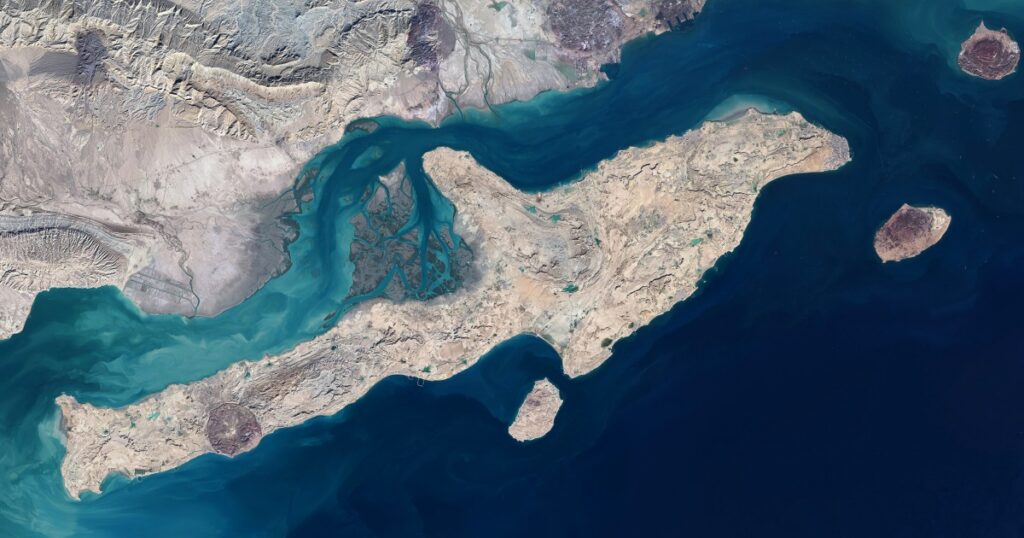
The U.S. and Iran exchanged military strikes over the weekend amid ongoing ceasefire talks, with Kuwait intercepting missile and drone attacks. President Trump expressed optimism about a potential deal despite continued hostilities.
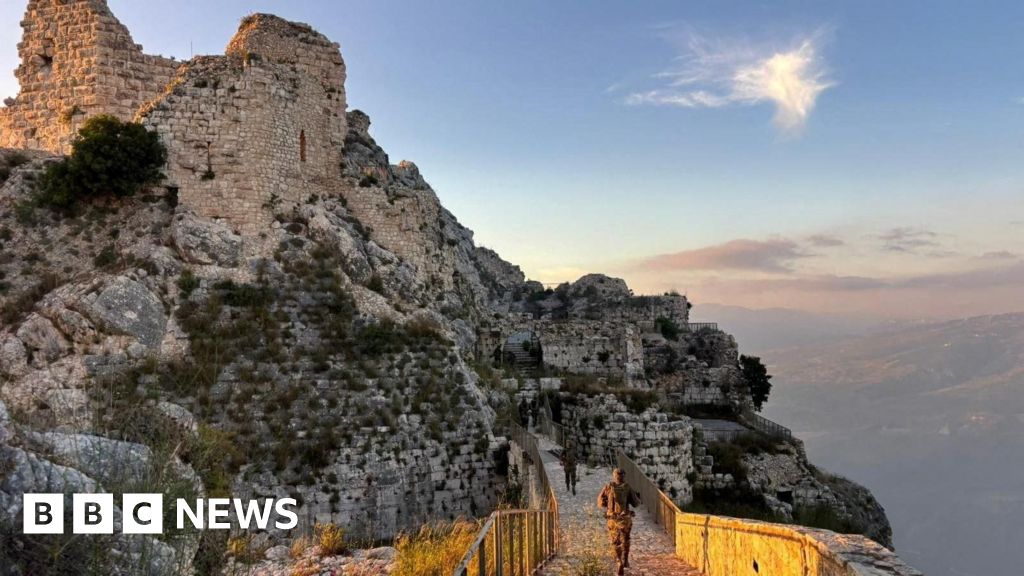
Israeli forces have captured the strategic Beaufort Castle in southern Lebanon, marking their deepest incursion in 26 years amid ongoing conflict with Hezbollah. The move escalates tensions despite a nominal ceasefire and complicates U.S.-Iran peace efforts.
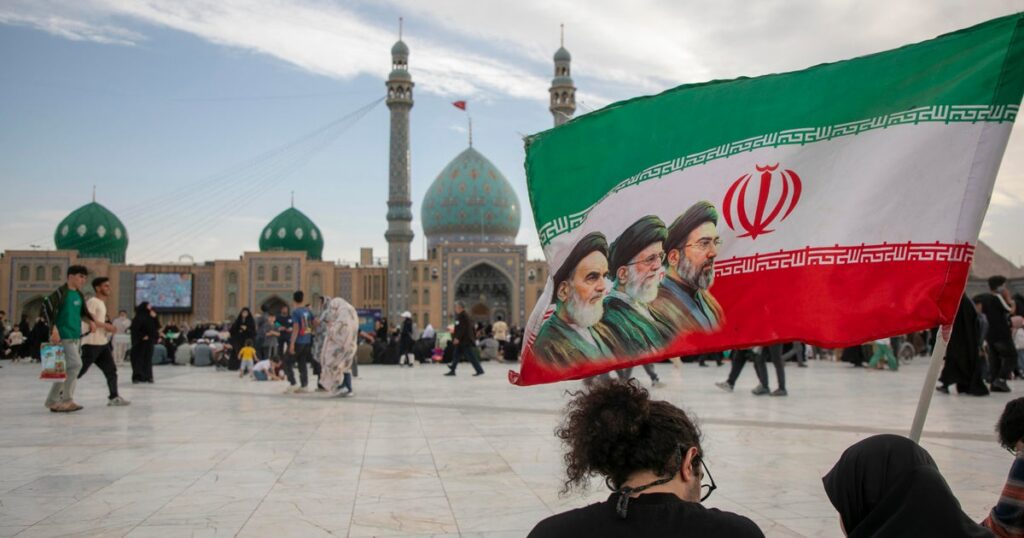
President Trump has not yet decided on a potential ceasefire deal with Iran that would reopen the Strait of Hormuz and address nuclear concerns. Negotiations remain ongoing amid conflicting reports from U.S. and Iranian officials.
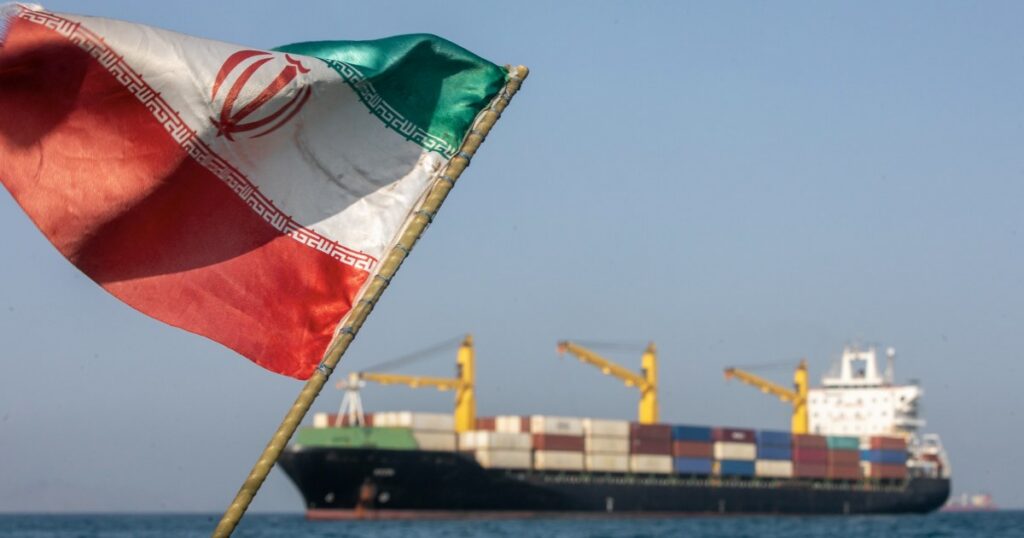
The U.S. conducted self-defense strikes near the Strait of Hormuz targeting Iranian missile sites and boats amid ongoing peace talks. Despite the strikes, Secretary of State Marco Rubio says a deal with Iran remains possible within days.
UK Revokes Visas of US Commentators Over Public Good Concerns
The UK Home Office has revoked visas of American commentators Cenk Uygur and Hasan Piker, citing concerns their presence would not be "conducive to the public good." The decision follows their controversial statements on Israel and has drawn mixed reactions.