
Kentucky Rep. Thomas Massie faces a fierce primary challenge from Trump-backed Ed Gallrein, with the race drawing national attention and unprecedented spending. Massie remains defiant despite attacks from Trump and support for Gallrein from Defense Secretary Pete Hegseth.
Posts tagged as “Arab Israeli”

Bulgaria wins its first Eurovision Song Contest with Dara's "Bangaranga" amid protests and boycotts over Israel's participation. The contest in Vienna featured 25 countries and was marked by political tensions and demonstrations.

Mohammad Al-Saadi, an Iraqi commander linked to Iranian-backed Kata'ib Hizballah, is charged with plotting terror attacks on Jewish sites in New York, Los Angeles, and Arizona. Authorities disrupted the plan after Al-Saadi attempted to hire an undercover agent to carry out the attacks.
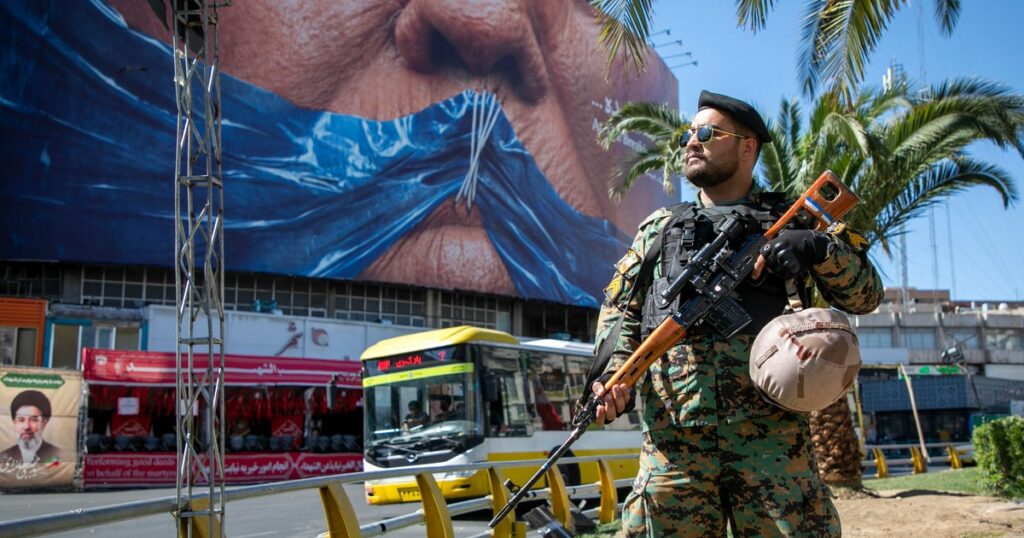
President Trump rejects Iran's response to a U.S. peace proposal as talks stall amid ongoing tensions in the Persian Gulf. Despite ceasefire efforts, hostilities continue with threats and drone attacks, while diplomatic negotiations and economic pressures persist.
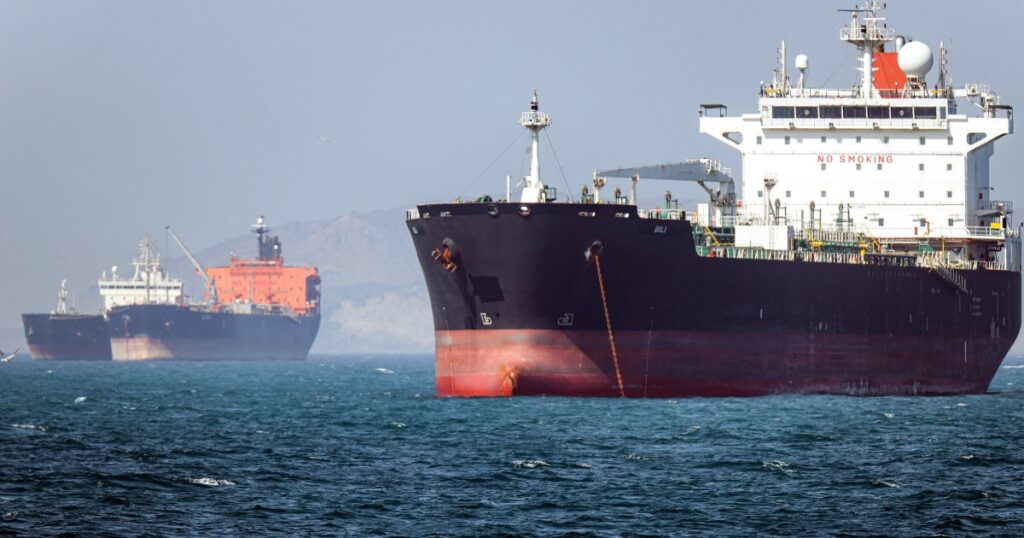
The U.S. pauses Project Freedom in the Strait of Hormuz amid ongoing Iranian missile and drone attacks on Gulf vessels. Despite renewed violence, officials say the ceasefire holds as diplomatic talks advance.

President Donald Trump and Pope Leo XIV have engaged in a public dispute over the U.S. war in Iran, with Trump criticizing the pope's calls for peace and the pope urging an end to violence. The conflict has divided opinions among Trump supporters and religious leaders about the roles of political and spiritual authority in war.
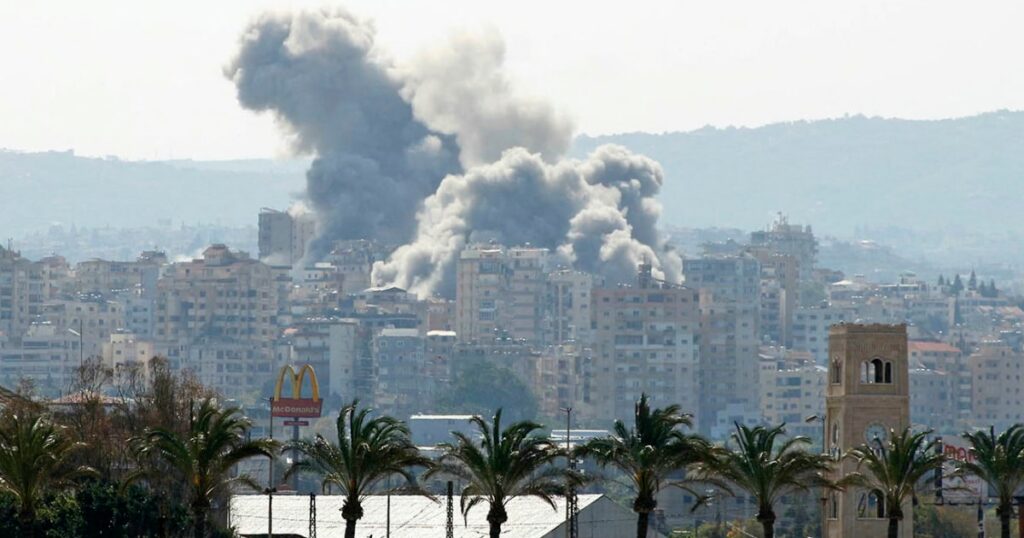
A 10-day ceasefire between Israel and Lebanon begins amid ongoing conflict with Hezbollah and regional tensions involving Iran. The truce aims to pave the way for peace talks, though challenges remain as violations and military deployments continue.
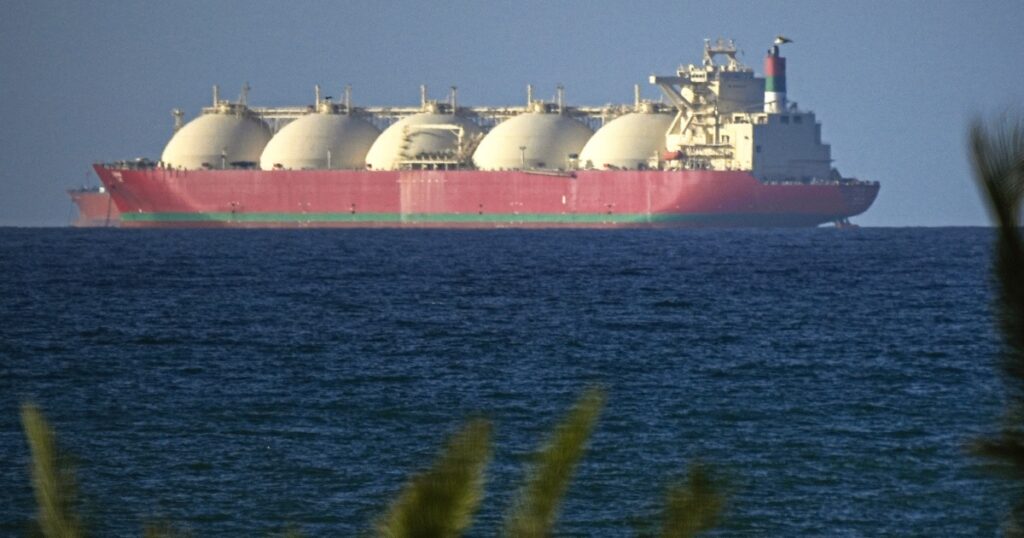
Despite a ceasefire between the US and Iran, traffic through the Strait of Hormuz remains far below normal levels, with only a handful of ships passing through the crucial oil shipping route. Iran’s restrictions and regional tensions continue to complicate safe passage.