Federal officials have classified the March 12 attack on Temple Israel in West Bloomfield, Michigan, as a Hezbollah-inspired act of terrorism carried out by Ayman Mohamad Ghazali, who drove a gasoline- and fireworks-laden truck into the synagogue before opening fire and dying by suicide. Ghazali, motivated by recent Israeli drone strikes that killed his family members linked to Hezbollah, had planned the attack for days, purchasing weapons and expressing intentions of revenge and martyrdom in videos sent to his sister. The attack caused significant fire damage and injuries but no fatalities besides Ghazali, prompting increased security at Jewish sites nationwide as investigations continue.
Posts tagged as “Arab Israeli”
Global oil prices surged to new highs as escalating conflict between the United States, Israel, and Iran intensified missile and drone attacks across the Middle East, raising concerns about prolonged regional instability. Iran and its allied forces targeted Israeli infrastructure and U.S. military assets, while diplomatic efforts for resolution remain stalled amid threats of severe retaliation. The conflict has disrupted global energy markets, particularly impacting Asian oil supplies and driving U.S. gasoline prices to their highest levels since mid-2022, with experts warning of further price spikes and inflationary risks.
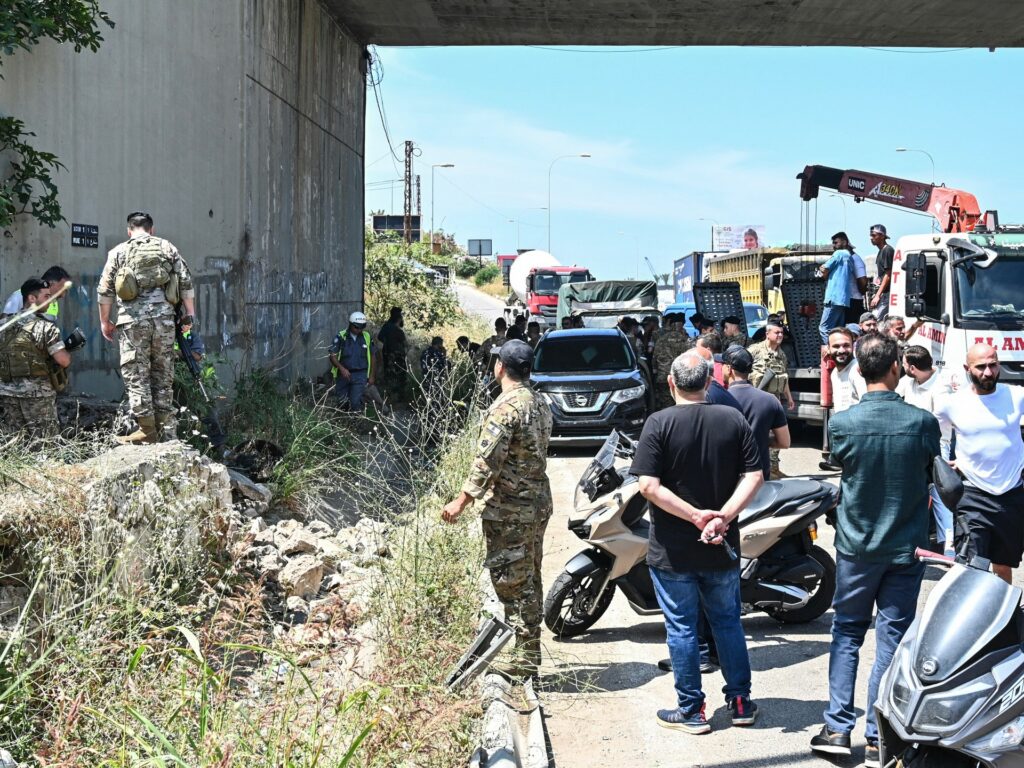
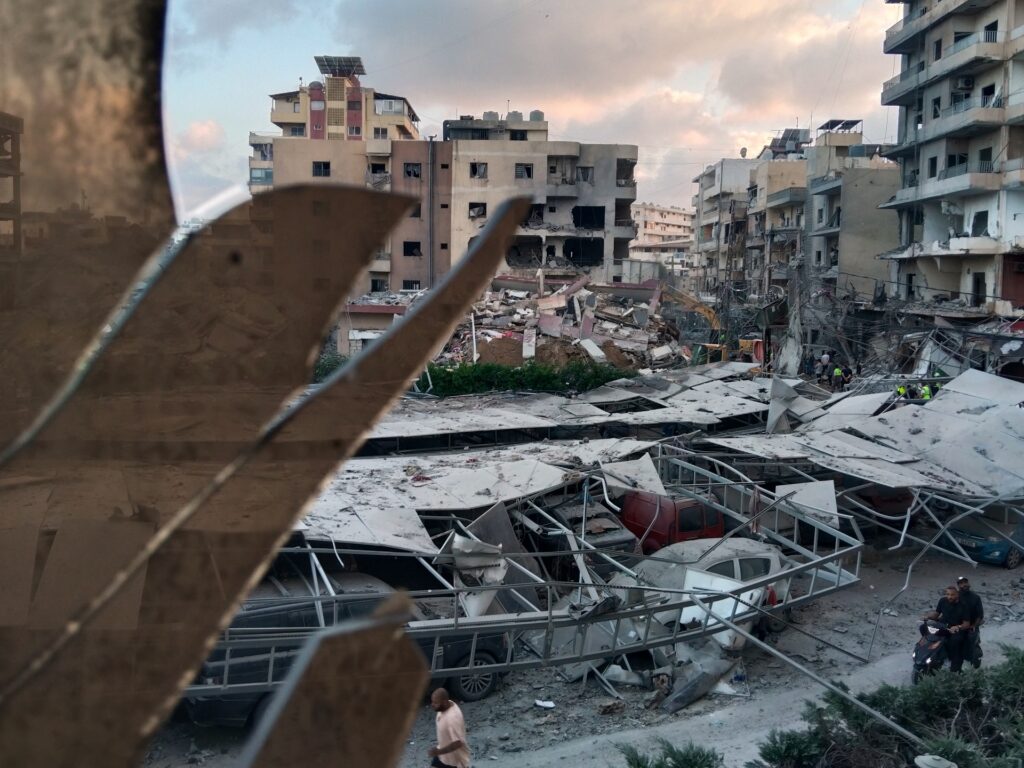
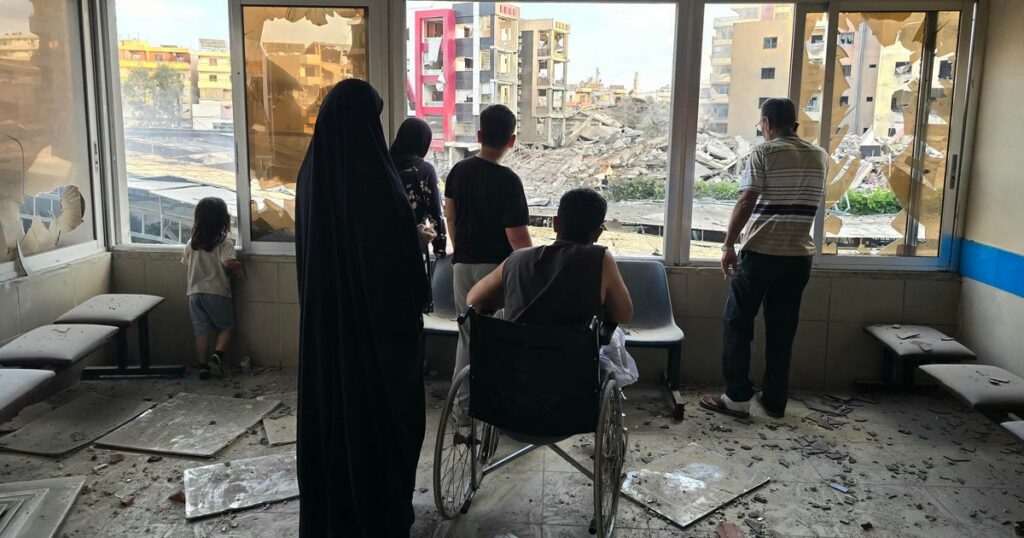
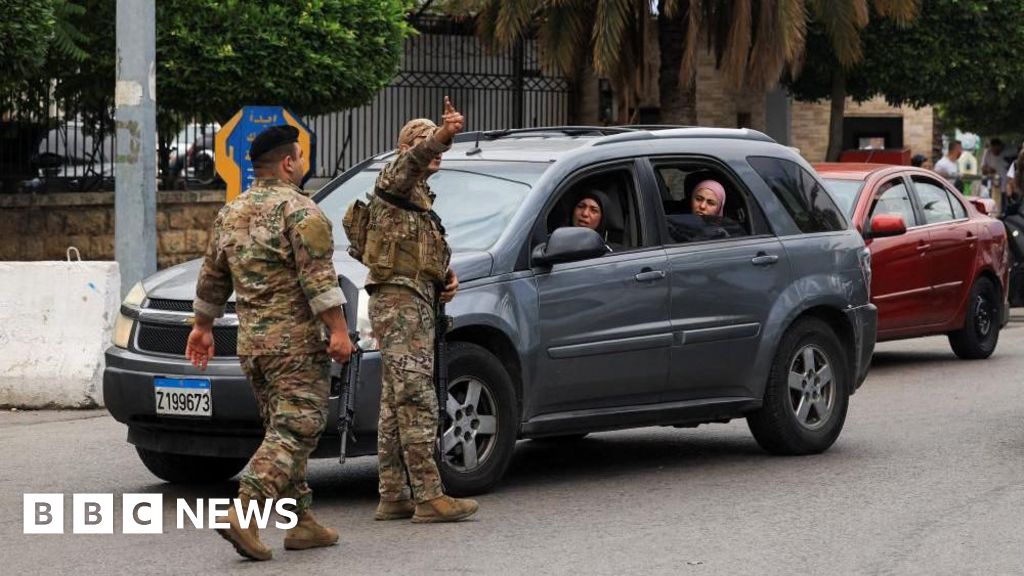
An American-born Israeli soldier, Sgt. Moshe Yitzchak Hacohen Katz, was killed in combat in southern Lebanon amid ongoing hostilities between Israel and Hezbollah, with details of his death undisclosed. The conflict, which has caused nearly 1,200 deaths in Lebanon and significant displacement of over one million people, has intensified as Israel expands its military campaign to establish a security zone along the border. Humanitarian concerns have been raised by the UN and aid organizations, urging a ceasefire to prevent further escalation and suffering.
On Palm Sunday, Israeli police prevented Cardinal Pierbattista Pizzaballa and Reverend Francesco Ielpo from entering the Church of the Holy Sepulchre, marking the first time in centuries that the traditional Mass could not be held there, due to heightened security amid conflict between Israel and Iran. The move, justified by Israeli authorities as a safety measure against missile threats, sparked widespread international condemnation for infringing on religious freedoms and access to holy sites. In response to the backlash, Israeli Prime Minister Netanyahu’s office pledged to facilitate worship for church leaders during the remainder of Easter week, highlighting the ongoing tension between security and religious rights in Jerusalem.
The conflict between the United States, Israel, and Iran has intensified, with Iran rejecting a U.S. peace proposal while talks continue amid threats of severe military action, including a possible ground invasion of the strategically vital Kharg Island. The U.S. is increasing its military presence in the Middle East, deploying troops and equipment as tensions rise, while international leaders, including the UN Secretary-General, call for an immediate end to hostilities to prevent wider regional escalation. The ongoing conflict has caused global economic uncertainty, particularly affecting oil markets due to disruptions around Kharg Island and the closure of the Strait of Hormuz.
After nearly a month of escalating conflict marked by U.S.-Israeli strikes, initial Iranian hopes for regime change have shifted to despair due to the lack of a coordinated international strategy and internal divisions. Interviews with Iranians reveal growing skepticism about the effectiveness of military action and doubts about calls for internal uprisings, while Iran leverages its control over the Strait of Hormuz to strengthen its position. Diplomatic efforts remain stalled amid heightened Iranian demands, leaving the conflict unresolved with no clear path to peace.
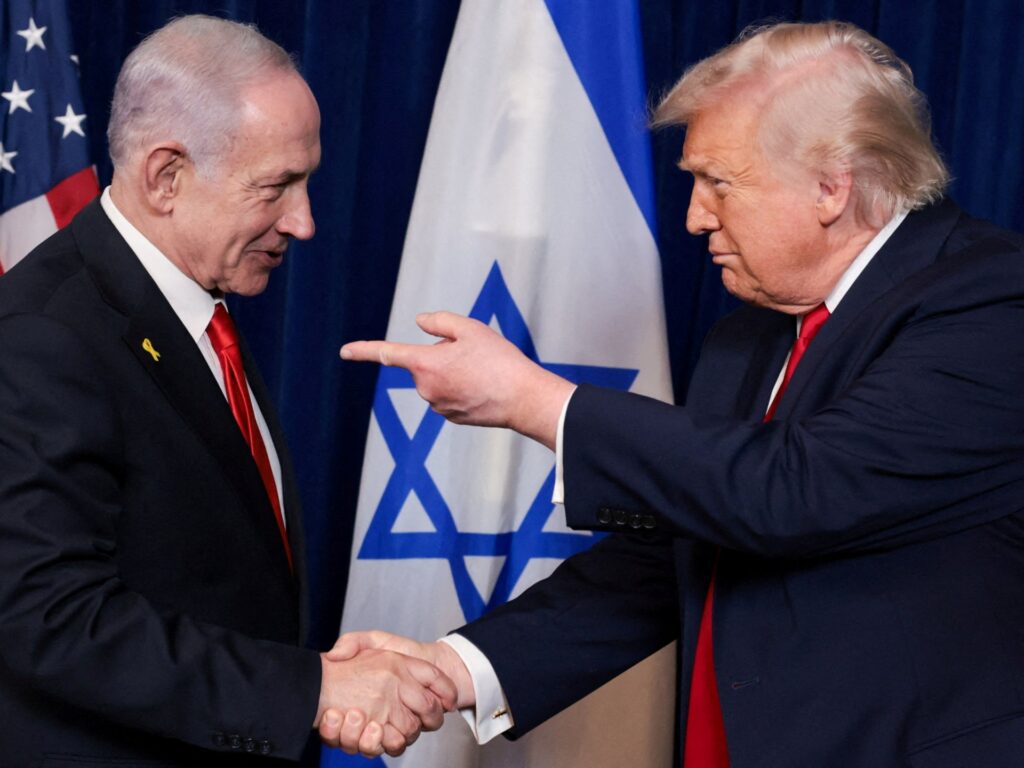
Amid escalating conflict between Iran and Israel following U.S. and Israeli strikes, diplomatic efforts involving indirect talks facilitated by Pakistan and other regional players have reportedly begun, though official confirmations remain pending. The war has caused over 2,000 deaths, displaced millions, and disrupted global energy markets, pushing Brent crude oil prices above $100 a barrel amid fears of supply shortages. Despite ongoing hostilities marked by missile strikes and air raids, U.S. President Donald Trump expressed cautious optimism about potential negotiations, while regional tensions and economic risks continue to mount.