Key takeaways:
- The United States imposed 50% tariffs on roughly $20 billion worth of Canadian goods after negotiations collapsed on Aug. 22.
- Canada says it will impose retaliatory tariffs on about $20 billion in U.S. goods starting Sept. 8.
- Carney said Canada would not accept U.S. demands affecting its trade sovereignty or laws protecting French language and culture.
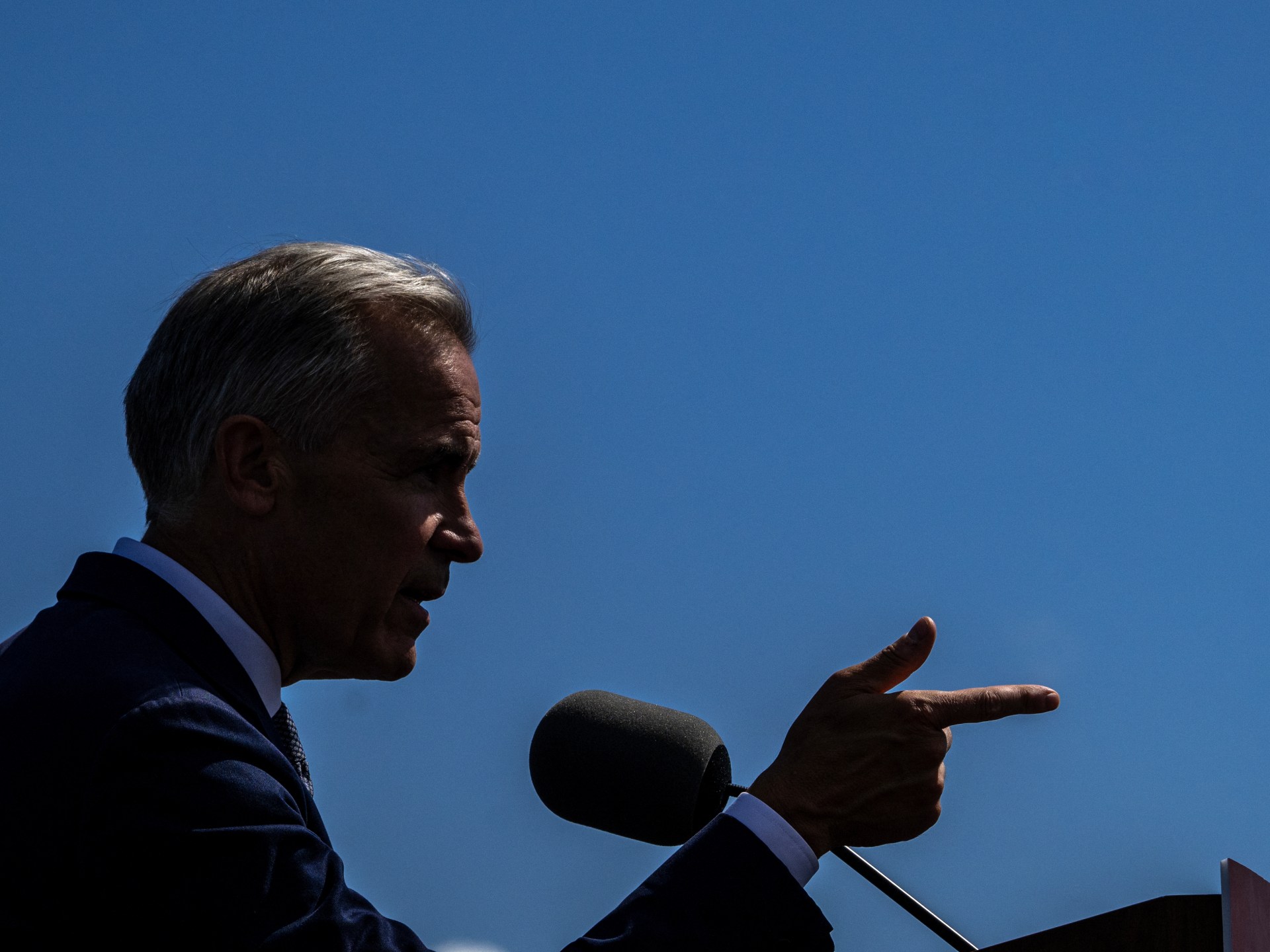
Canadian Prime Minister Mark Carney rebuked the Trump administration on Tuesday, saying Washington must “start being serious” before trade talks can resume between the two countries as Canada prepares retaliatory tariffs on U.S. goods.
Carney’s comments came after the collapse of U.S.-Canada negotiations and a new round of tariffs that has intensified tensions between the longtime trading partners. The United States has imposed 50% tariffs on roughly $20 billion worth of Canadian goods. Canada has pledged to respond with tariffs on about $20 billion in U.S. goods beginning Sept. 8.
“When the Americans stop doing memes, stop throwing shade and stop trying to be tough, and start being serious about having those discussions, we can have those discussions,” Carney told reporters in Ottawa. “It’s not constructive, but that’s their democracy.”
Carney also criticized insults and disparaging remarks from U.S. officials, saying such comments were “beneath” their office. “Our plan has always been standing up for Canada, first and foremost, here at home,” he said.
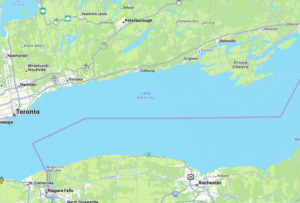
The dispute has widened beyond tariffs. Trump signed an executive order on Aug. 27 directing federal entities to refer to Lake Ontario as “Lake America,” a move rejected by Canadians. He has also said Canada “wants the benefits” of being a U.S. state without becoming one, and in a recent radio interview called Canada “one of the worst countries in the world to deal with.”
The U.S. trade representative, Jamieson Greer, told Politico that “there are no negotiations happening on trade right now” and said the dispute was “more their emergency than ours.” Greer suggested Canada was more vulnerable in the trade fight and said it was “not clear Canada wants a deal.”
“If Canada believes that prohibiting and banning American goods and services is appropriate, then obviously that’s something that the United States should consider as well,” Greer told Politico.
Greer said Canadian requests, including lighter taxes on heavy-duty trucks, helped derail the talks. He also suggested there had been confusion over what was on the table. “Was that political? I don’t know,” he told Politico. “Was it economic? … I’m not sure how much economic sense it makes because the choice is not between the current tariffs and … you know, duty-free trade. Like, that is that. Those weren’t the options.”
Canadian officials have offered a different account, attributing the breakdown to last-minute U.S. demands and a White House disagreement over who was directing the negotiations. Carney said Trump’s team sought to limit Canada’s ability to strike trade deals with other countries and wanted changes to laws protecting Canada’s French language and culture. He said U.S. negotiators viewed the French language in Canada as an “irritant,” adding: “In Quebec, these are rights.”
“Canada’s a sovereign state. We will strike free trade deals with the countries we wish to strike free trade deals with,” Carney said Tuesday. “Of course, we’re not going to accept those terms.”
Other senior U.S. officials have also criticized Canada’s position. Treasury Secretary Scott Bessent told CNBC that Canada could not win a tit-for-tat dispute with an economy much larger than its own. “Well, I don’t think you can be in a tit-for-tat with someone who’s 13 times larger than you are,” Bessent said. He accused Carney of coming to power on “an anti-American, anti-Trump agenda” and said, “it’s unfortunate that he’s not doing what’s best for the Canadian people.”
Al Jazeera reported that Defense Secretary Pete Hegseth posted an image of two female Canadian cadets on social media, apparently mocking the country’s armed forces. “This is real,” he wrote, alongside a Canadian flag emoji.
The trade war has coincided with rising nationalism in Canada. A June poll by Abacus Data found national pride had risen 12 points in two years, reaching 77% this year.





Be First to Comment