Key takeaways:
- The Prosperity Party won 438 of 501 contested parliamentary seats, allowing Abiy Ahmed to form Ethiopia’s next government.
- Voting was not held in Tigray, and 143 polling stations failed to open in Amhara and Oromia because of security concerns.
- The EU has called for de-escalation in northern Ethiopia, while the U.S. imposed visa restrictions on hardline TPLF members and their immediate families.
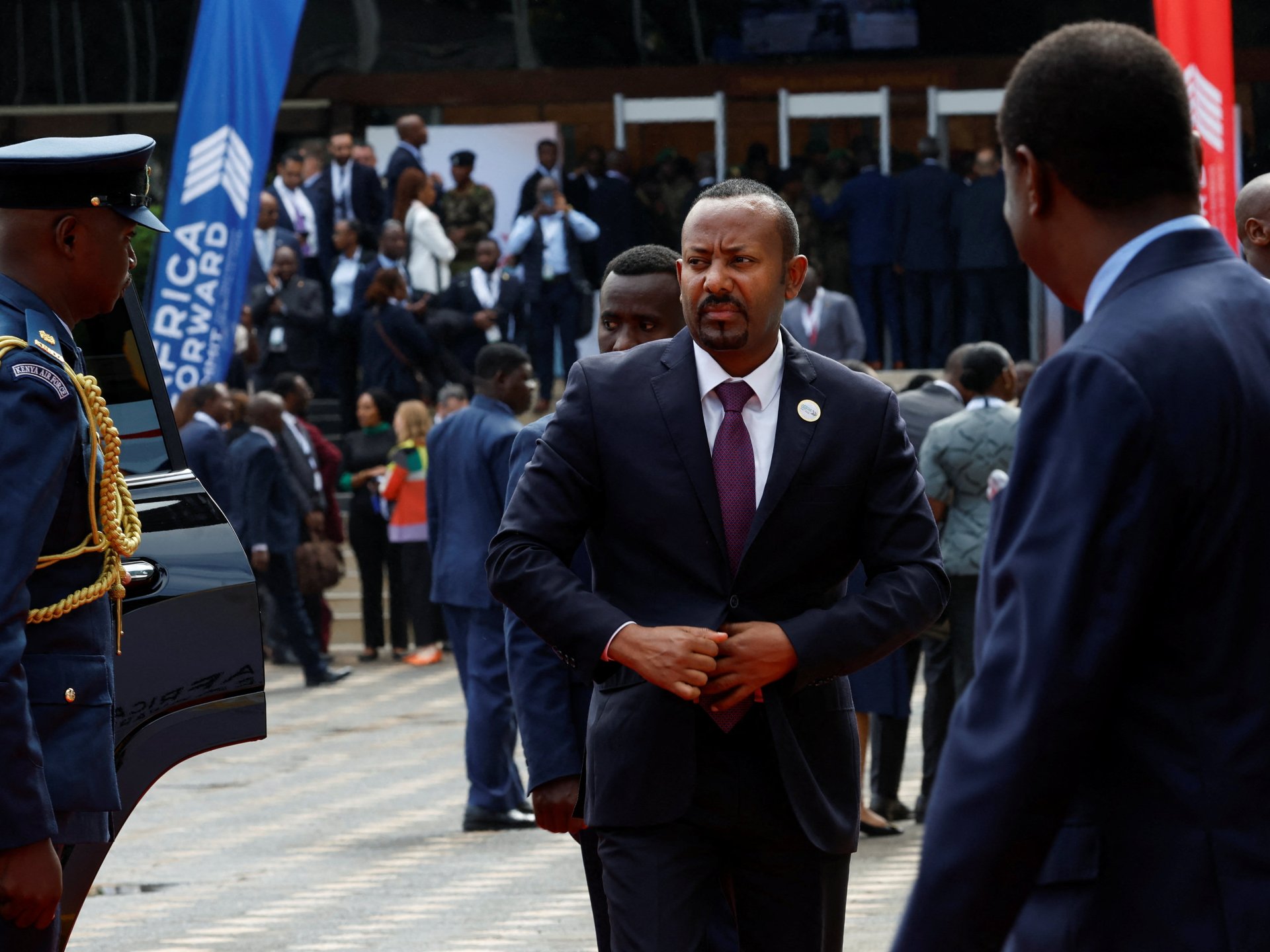
Ethiopian Prime Minister Abiy Ahmed’s Prosperity Party has won a commanding parliamentary majority, clearing the way for the Nobel Peace Prize laureate to remain in power as analysts warn that unresolved conflicts could deepen across the country and the wider region.
The party won 438 of the 501 contested seats and will form the next government, with Abiy expected to be sworn in for another term at the beginning of October. His victory was widely expected after Prosperity Party candidates campaigned on the government’s economic record and promises to improve food security. Al Jazeera reported that Abiy’s government projects economic growth of more than 10 percent in 2026, among the fastest rates in Africa.
The vote, however, took place under heavy strain. Opposition participation was limited, critics accused the government of repression, and insecurity disrupted polling in several areas. On election day, 143 polling stations failed to open in the two most populous regions, Amhara and Oromia, because of safety concerns linked to armed groups fighting the government.
In Amhara, Fano militias have seized swathes of countryside since 2023, according to Al Jazeera. In Oromia, the proscribed Oromo Liberation Army has also been fighting the government. Both groups, which want greater autonomy, rejected the election and its results, the BBC reported.
Tigray, a northern region of about six million people, was excluded entirely from the election. The region, comprising 38 constituencies, is still recovering from a two-year civil war that ended in 2022. Ethiopia’s electoral board said voting was not held there because of “unfavourable conditions,” according to Al Jazeera.
Abiy first came to power in 2018 after mass protests against the long-ruling Ethiopian People’s Revolutionary Democratic Front coalition. He initially won praise for freeing journalists, activists and other political prisoners, revoking bans on political parties and seeking to heal divisions. In 2019, he received the Nobel Peace Prize, mainly for ending hostilities with Eritrea.
His opponents and human rights activists now accuse his government of reversing those gains by detaining journalists and shutting down civil society groups, Al Jazeera reported. The election was also overshadowed by concern that Ethiopia could face renewed conflict, particularly in Tigray.
The 2020-2022 war in Tigray followed a breakdown in relations between Abiy and Tigrayan leaders who had dominated national politics before his rise. Researchers say it resulted in hundreds of thousands of deaths. The BBC reported that the African Union’s mediator estimated about 600,000 people died as the fighting pushed the region toward famine. The Ethiopian government was accused of blocking food aid, an allegation it denied.
The 2022 peace agreement was supposed to end the enmity between Abiy’s government and the Tigray People’s Liberation Front, the region’s dominant party. Both sides now accuse each other of violating the deal. Just before the election, the TPLF restored its pre-war administration and disbanded an interim administration appointed by Abiy.
“The risks are real and are driven by both sides,” Cameron Hudson, an Africa analyst and former U.S. State Department official, told the BBC. He said Tigrayan leaders “bear responsibility for the growing tensions” and have made moves suggesting they are preparing for renewed fighting. But he also said Abiy had “moved away from the agreement and made threatening moves towards the Tigrayans.”
Reports of recruitment in Tigray have added to the concern. “People in Tigray are worried as many youths are being recruited to join the military,” Shewit Wudassie, a member of the Tigray opposition party Salsay Weyane, told the BBC. A young man in Adwa told BBC Tigrinya that armed men in civilian clothes came to his home and “told us that they were detaining us to join the armed struggle.” Local authorities denied any forced recruitment. “The youths are simply getting training to defend themselves,” said Tesfaye Abadi, head of security in north-western Tigray.
Regional tensions have also intensified. Eritrea, which fought alongside Ethiopian government forces during the Tigray war, has seen relations with Addis Ababa deteriorate. Eritrea accuses landlocked Ethiopia of imperial ambitions, while Abiy has repeatedly spoken of Ethiopia’s need to regain access to a Red Sea port. The BBC reported that Asmara has now allied itself with Tigray’s leaders.
The European Union has called for “an immediate de-escalation” in northern Ethiopia, while the United States announced targeted visa restrictions on “hardline members of the TPLF and their immediate family members.”
Magnus Taylor, a Horn of Africa analyst at the International Crisis Group, told the BBC he does not expect an immediate return to war, but said the low-level tension remains “a dangerous scenario.” Shewit said the central problem is that neither side is willing “to address their differences through negotiations.”



Be First to Comment