Key takeaways:
- The proposed tariffs would apply to 60 trading partners, including China, Japan, the United Kingdom, Canada, Mexico and the European Union.
- Most listed countries would face a 12.5% tariff, while 16 trading partners would face a lower 10% rate because U.S. officials say they have taken steps or made commitments on forced labor.
- The proposal relies on Section 301 of the Trade Act of 1974 after the Supreme Court struck down many of Trump’s earlier tariffs in February.
The Trump administration is moving to impose new tariffs of 10% to 12.5% on dozens of major trading partners, accusing them of failing to block imports made with forced labor as it seeks to rebuild its tariff agenda after a Supreme Court defeat.
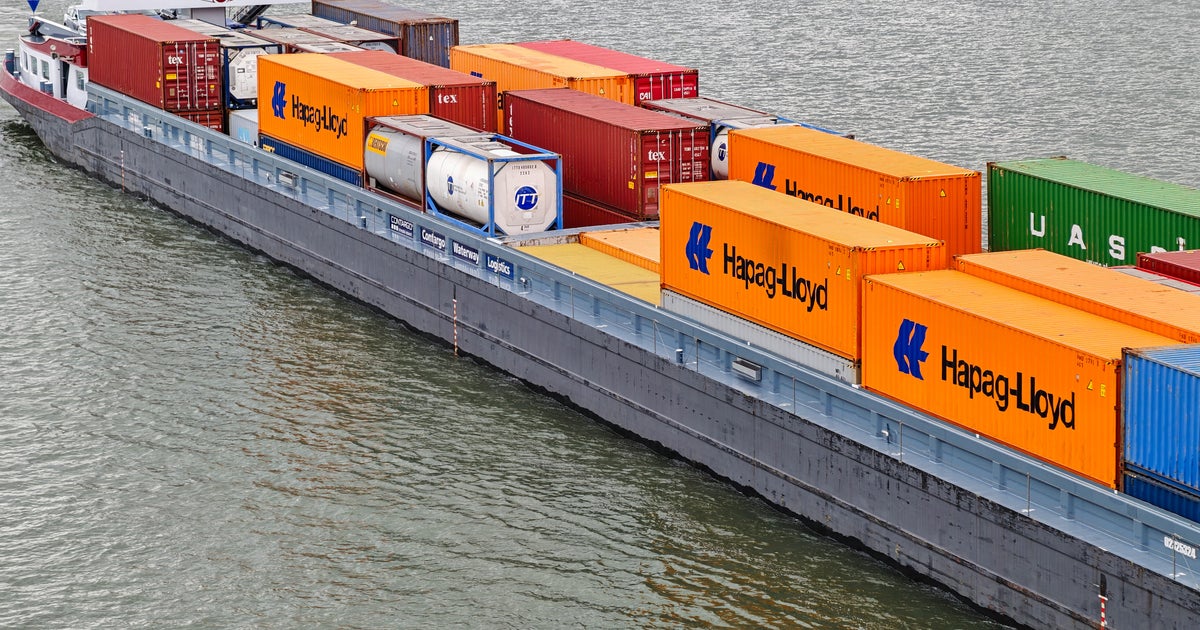
The Office of U.S. Trade Representative Jamieson Greer announced the proposed duties late Tuesday following investigations into 60 trading partners, including China, Japan, South Korea, Brazil, the United Kingdom, Canada, Mexico, the European Union, Taiwan and Argentina. The countries listed account for nearly all goods sold to the United States, the BBC reported, citing a figure of 99.4% of U.S. imports.
The tariffs are not yet in effect. They must go through a public comment process before they can be imposed.
Most of the trading partners would face a proposed tariff rate of 12.5% on U.S. imports, including China, Japan, South Korea and Brazil. A lower 10% rate would apply to 16 trading partners, including the United Kingdom, Canada, Mexico, the European Union, Taiwan and Argentina, that Greer’s office said are taking some steps or have made commitments to address forced labor in supply chains.
Some goods would be exempt, including beef, tomatoes and coffee. The U.S. trade representative’s office also said it is considering a rule that would allow some textiles to enter the United States at a reduced tariff rate if the exporting countries import an equal quantity of American textiles.
The administration said the countries had “failed to impose and effectively enforce” rules barring imports of goods made with forced labor. The BBC quoted the U.S. Trade Department as saying all 60 had “failed both to impose a legal prohibition on the importation of goods produced wholly or in part with forced labor (forced labor goods) and to effectively enforce such a prohibition.”
Greer said the proposed tariffs are intended to address what the administration views as an unfair advantage for companies operating in countries without strong import bans on forced-labor goods.
“The failure of our most important trading partners to address the importation of goods made with forced labor is unacceptable. This creates a dynamic where American workers are forced to compete globally on an unlevel playing field,” Greer said in a statement. “We will no longer tolerate this disparity.”
Tariffs have been central to President Donald Trump’s economic policy. He has argued that import duties can reduce trade deficits and counter unfair trade practices. Critics say the policy has contributed to price increases in the United States and elsewhere, and many economists warn tariffs can raise prices and slow economic growth.
The new proposal comes after the Supreme Court in February struck down many of Trump’s sweeping country-by-country tariffs, ruling that an emergency powers law used by the administration did not authorize them. The BBC reported that Trump called the ruling “terrible” and said the justices who rejected his trade policy were “fools.”
Since then, the administration has turned to other legal authorities. The latest proposal relies on Section 301 of the Trade Act of 1974, which allows the government to investigate alleged unfair trade practices and impose tariffs or other restrictions. Greer’s office also launched separate Section 301 investigations in March into 16 countries over “structural excess capacity,” or producing more goods than they can consume.
Trump also used Section 122 of the same law to impose a temporary 10% tariff on most imports after the Supreme Court ruling. That authority allows tariffs for up to 150 days in response to “large and serious” balance-of-payments deficits. CBS News reported that a trade court ruled last month that those tariffs were invalid, while the BBC reported that the measure is due to expire in July unless extended by Congress.
Treasury Secretary Scott Bessent has suggested temporary tariffs could eventually be replaced by Section 301 duties. “It’s my strong belief that the tariff rates will be back to their old rate within five months,” Bessent told CNBC in early March, calling laws such as Section 301 slower-moving but legally “more robust.”








Be First to Comment