Key takeaways:
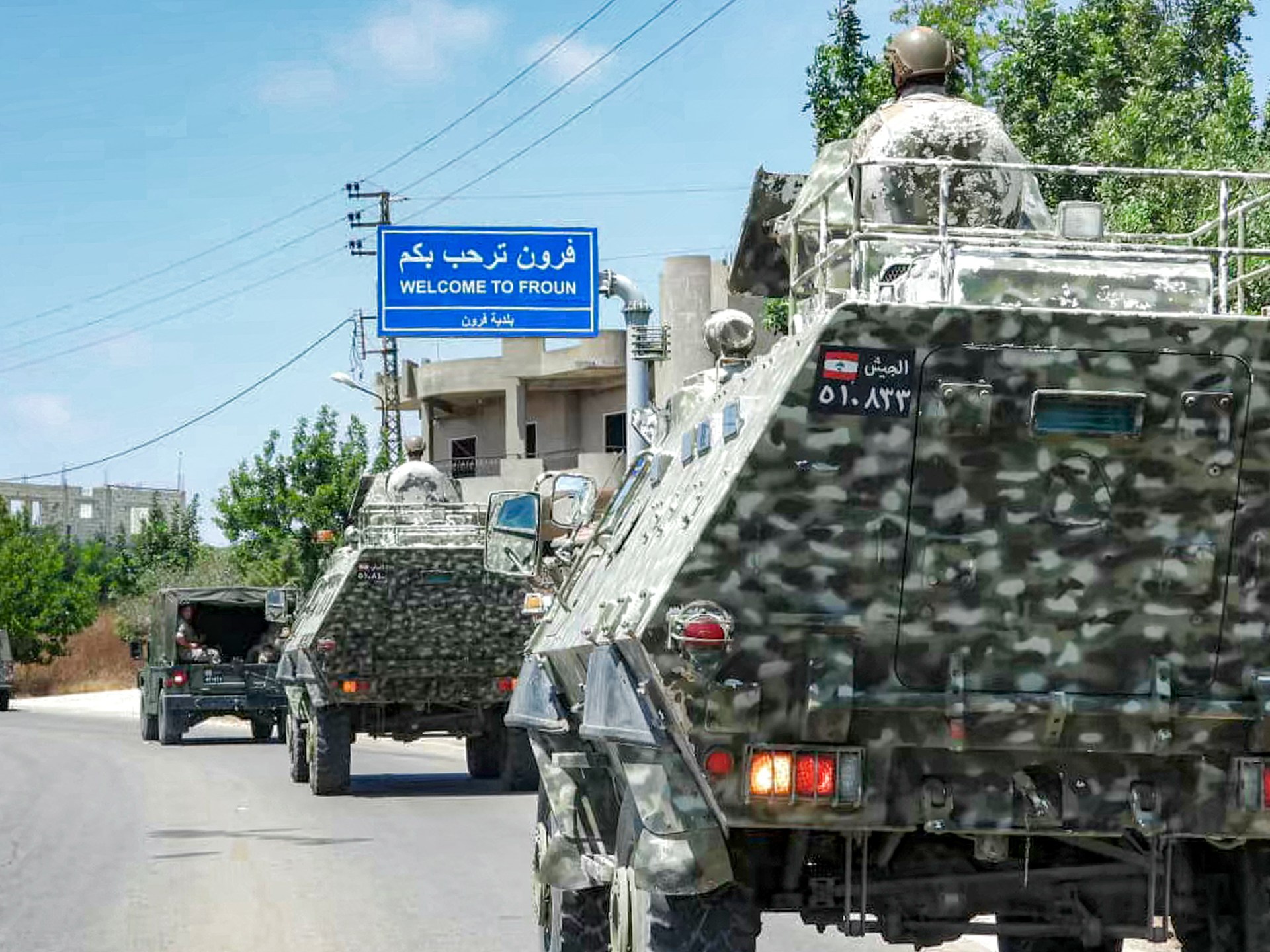
- Lebanon’s army said it began deploying Tuesday in Zawtar al-Gharbiyeh and was already carrying out missions in Froun and Srifa.
- The US said pilot zone operations began under a trilateral framework reached by Israel, Lebanon and the United States after talks in Rome.
- More than 4,300 people have been killed in Lebanon during the conflict, according to Lebanon’s health ministry, while Israeli authorities report 37 soldiers and four civilians killed.
Lebanese troops began deploying Tuesday in a southern village designated as part of a US-brokered “pilot zone” for Israeli withdrawal, even as some returning residents questioned whether the areas named in the plan had been occupied by Israeli forces at all.
Lebanon’s army command said units entered Zawtar al-Gharbiyeh in Nabatieh district based on “ongoing communications” with the Military Co-ordination Group for Lebanon, the trilateral body set up to help implement the framework agreement reached last month by Israel, Lebanon and the United States.
The army urged civilians “not to head to the village until the security situation stabilises, and to comply with the instructions of the deployed military units for their own safety.” It said troops were already carrying out missions in nearby Froun and Srifa, two other villages identified by Washington as part of the initial phase.
The US State Department said Monday that “pilot zone operations” had begun in Zawtar al-Gharbiyeh, Froun and Srifa under the Trilateral Framework agreement. It called the move a “milestone” and said it followed discussions last week between Israeli and Lebanese representatives in Rome.
An Israeli military official confirmed Monday that the Israel Defense Forces would “adjust its force posture in one of the pilot areas” so the Lebanese army could carry out its mission, while “safeguarding the security of IDF soldiers and preserving its right to self-defence and to remove threats.”
“The objective of the pilot and the agreement is the disarmament of the Hezbollah terrorist organisation and the removal of its illegal weapons,” the official said.
The official also said Israeli forces would remain in a 10km-deep security zone inside Lebanese territory “for as long as necessary” to defend communities in northern Israel.
The plan comes ahead of a Washington meeting between US President Donald Trump and Lebanese President Joseph Aoun. Aoun is expected to press Trump to put pressure on Israel to withdraw from the rest of southern Lebanon and to support the Lebanese army as it seeks full control of areas where Hezbollah holds sway. Al Jazeera reported that “extending state authority” is expected to be high on the agenda.
Under the framework, Israel is to hand over control of some areas it occupies to the Lebanese government, with the Lebanese army moving in to provide security. Israel has said Hezbollah must be disarmed before a full withdrawal takes place.
But residents and local officials in parts of the first pilot area disputed the premise. Al Jazeera reported that people in Froun and neighboring Ghandouriyeh said Israeli troops had never occupied their villages. Lebanese security sources told Al Jazeera the same. An Israeli source also told Haaretz, according to the BBC, that there were no Israeli troops in Froun or Srifa.
Despite the uncertainty, displaced families have begun returning to damaged villages after months of bombardment. In Froun, Abu Ali Miqdad and his family used heavy machinery to clear rubble from a building containing apartments and storage warehouses, recovering tyres, oil drums and spare parts. He said he would keep “clearing the rubble and rebuilding, even under bombardment,” and that Lebanese army and UN peacekeeping patrols brought some comfort.
Another Froun resident, Sumaya Haidar, sat outside her surviving home with her grandson despite the lack of water, electricity and phone service. “We put our trust in God,” she said. “We sit here. We’re not afraid, and we’ll stay. Look at these people, living in schools after losing their homes, and my children are scattered too.”
In Ghandouriyeh, municipal council head Mohammed Nader said 250 of the village’s 260 homes were destroyed or damaged. He rejected the possibility that the village could be treated as a future pilot zone, saying Israel wanted “to sell us and the state empty walnut shells, calling it a pilot zone, when they never even entered it in the first place.”
Lebanon was drawn into the war between Israel, the US and Iran on March 2, when Hezbollah launched rockets into Israel in retaliation for a strike that killed Iran’s supreme leader, the BBC reported. Israel responded with a bombing campaign across Lebanon and an invasion of a significant part of the south. More than 4,300 people have been killed in Lebanon, including almost 800 children, women and medics, according to Lebanon’s health ministry. Israeli authorities say 37 Israeli soldiers and four civilians have been killed on both sides of the border.





Be First to Comment