Key takeaways:
- President Trump held a two-hour Situation Room meeting Friday but has not announced a decision on the Iran ceasefire deal.
- The proposed agreement aims to extend the ceasefire, reopen the Strait of Hormuz, and initiate nuclear program discussions, but Iran denies finalizing any deal.
- Defense Secretary Pete Hegseth said the U.S. military is prepared to resume attacks if no satisfactory agreement is reached.
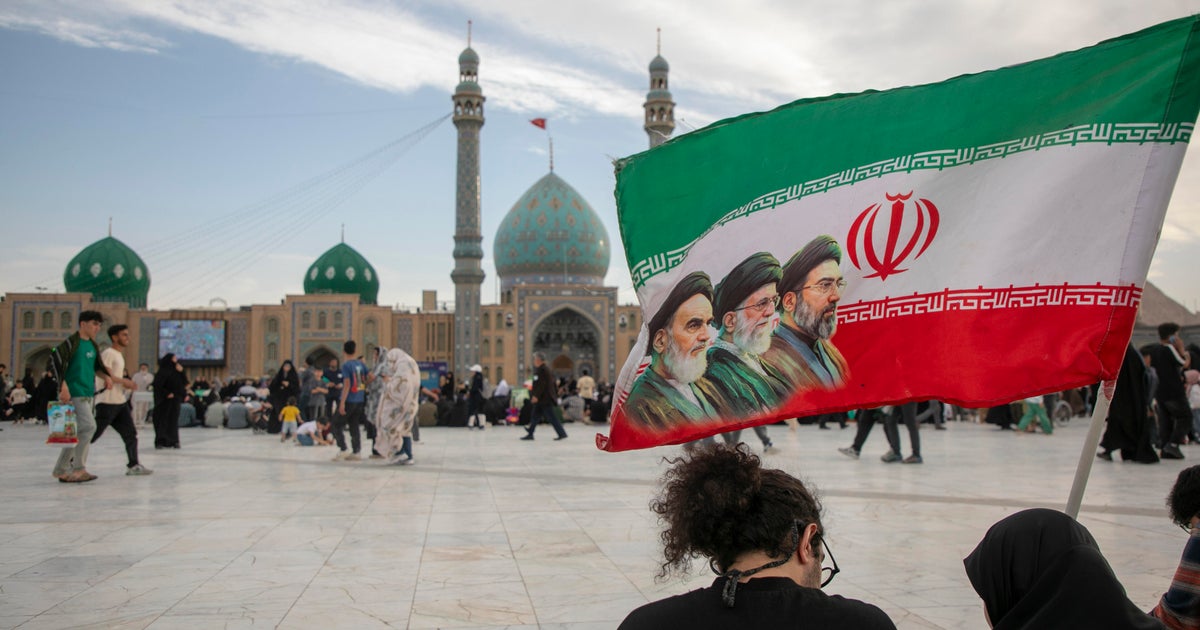
President Donald Trump has yet to decide on a potential agreement with Iran that could extend the current ceasefire and reopen the Strait of Hormuz, following a two-hour meeting in the White House Situation Room on Friday. Trump said he would make a “final determination” but no announcement has been made since the meeting concluded.
The proposed deal, which negotiators from both sides have discussed for weeks, aims to extend the shaky ceasefire that has been in place since early April and to restart negotiations on Iran’s nuclear program. Trump emphasized that any agreement must ensure Iran never acquires a nuclear weapon, that the Strait of Hormuz be reopened for unrestricted shipping in both directions, and that any mines in the waterway be destroyed.
Despite reports from U.S. and Arab officials suggesting the deal was close to being finalized, Iranian state media and officials have denied that any agreement has been reached. Iranian Foreign Ministry spokesperson Esmail Baghaei stated on Friday that “a final understanding has not yet been reached” and that nuclear issues are not being discussed in detail at this stage, with the focus remaining on ending the war.
A senior Arab official involved in mediation described the situation as a “game of chicken and egg,” noting that terms were agreed upon days ago but finalization has been delayed. Defense Secretary Pete Hegseth, speaking at the Shangri-La Dialogue defense summit in Singapore, said the talks have been productive and expressed confidence that President Trump will make a deal he can defend. He reiterated that the U.S. military is prepared to resume attacks on Iran if no agreement is reached.
The draft text of the possible deal has undergone changes in recent days, according to Iran’s semi-official Tasnim news agency, though the details remain unconfirmed by independent sources. Iranian semi-official Fars news agency criticized some of Trump’s public claims about the deal, calling them a “mixture of truth and lies,” and stated that Iran would open the Strait of Hormuz based on its own predetermined arrangements after the lifting of the U.S. blockade.
Meanwhile, global economic leaders have warned of risks to fuel security if shipping through the Strait of Hormuz does not return to normal, especially with peak summer oil demand approaching. The strait is a critical route for about 20% of the world’s oil, and its closure has contributed to soaring energy prices over the past three months.
Oil prices have fallen amid hopes for a deal, with Brent crude trading around $92 a barrel on Friday, down nearly 20% in May. U.S. stock markets also gained ground, with the S&P 500 and Dow Jones Industrial Average rising as investors reacted to the potential easing of tensions.
In related developments, the U.S. Treasury Department announced sanctions on Iranian individuals and companies accused of impersonating American businesses to illegally acquire restricted technology for Iran’s military. Treasury Secretary Scott Bessent also revealed that the U.S. has seized approximately $1 billion in Iranian cryptocurrency assets.
Kazakhstan has offered to store Iran’s uranium stockpile if an agreement is reached, according to the head of the International Atomic Energy Agency. The stockpile, enriched to near weapons-grade levels, remains a central issue in the negotiations.
The conflict continues to impact the region, with the United Nations reporting an average of 11 children killed or injured daily in Lebanon over the past week amid ongoing hostilities between Israeli forces and Iranian-backed Hezbollah. Israeli ground forces have reportedly crossed the Litani River in southern Lebanon, escalating tensions further.
Iranian state TV reported that 24 ships passed through the Strait of Hormuz in the past 24 hours under coordination with Iran’s military, with strict controls in place. President Trump has insisted that while Iran would like to control the strait, “nobody’s going to control” it.
As negotiations continue, the White House has stated that President Trump will only approve a deal that is good for America and meets his conditions, particularly that Iran never obtains a nuclear weapon.




Be First to Comment