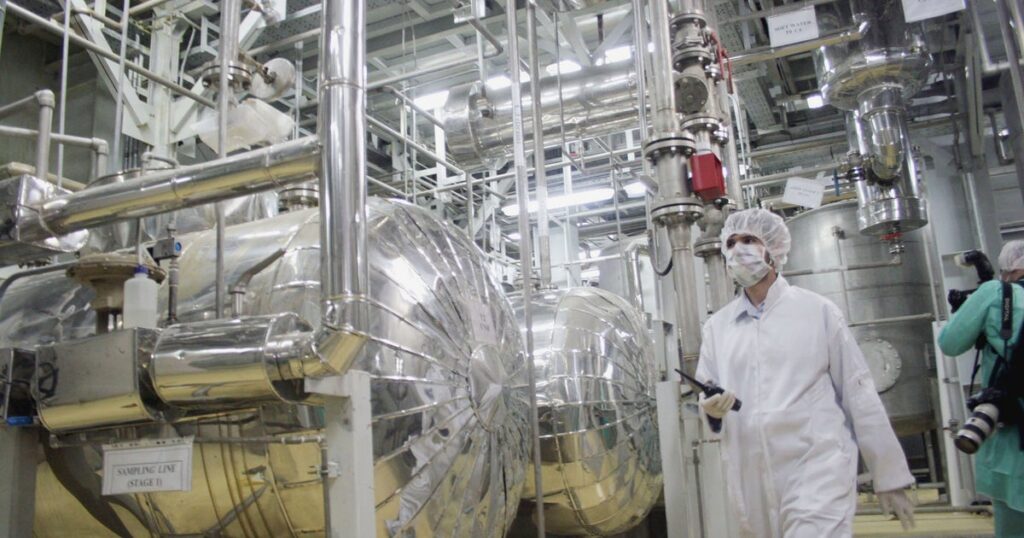
Iran denied U.S. claims that it had agreed to allow IAEA inspectors back to damaged nuclear sites, even as talks with Washington produced a 60-day roadmap for a final deal. The dispute comes as the U.S. temporarily eased oil sanctions and traffic through the Strait of Hormuz rose to its highest level since the war began.
Posts tagged as “The International Atomic Energy Agency”
Iranian President Masoud Pezeshkian is visiting Pakistan after U.S.-Iran talks in Switzerland produced a 60-day roadmap toward a possible war-ending deal. Disputes have already emerged over nuclear inspections and Israel’s freedom to act in Lebanon.
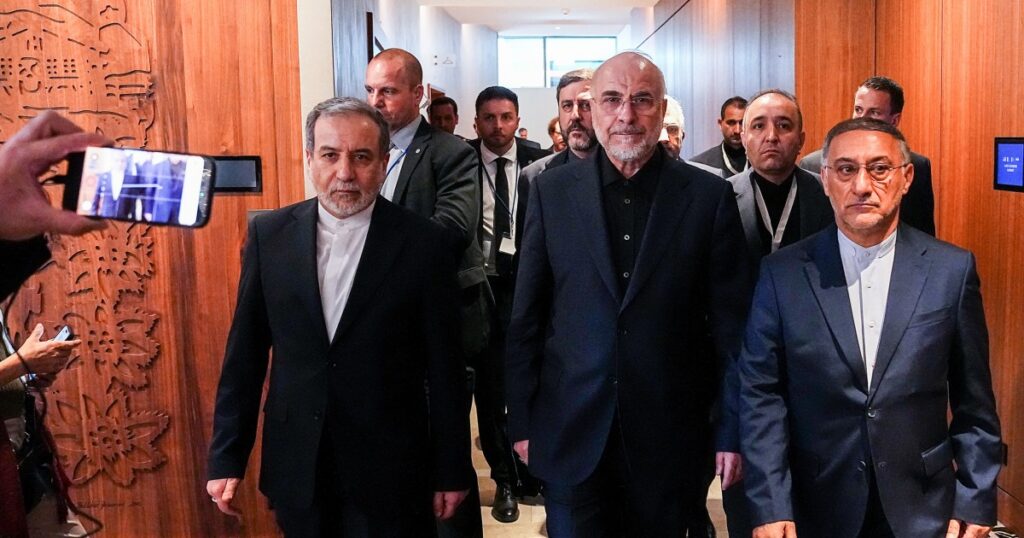
U.S.-Iran talks in Switzerland produced a roadmap for further negotiations, deconfliction channels for Lebanon and the Strait of Hormuz, and, according to JD Vance, a commitment to resume IAEA inspections. Iran cautioned that detailed nuclear negotiations have not yet begun.
Trump and Iranian President Masoud Pezeshkian signed a 60-day initial agreement to halt the war, reopen the Strait of Hormuz and begin talks on Iran’s nuclear program. The deal drew praise from G7 leaders and sharp criticism from U.S. lawmakers and Iranian hardliners.
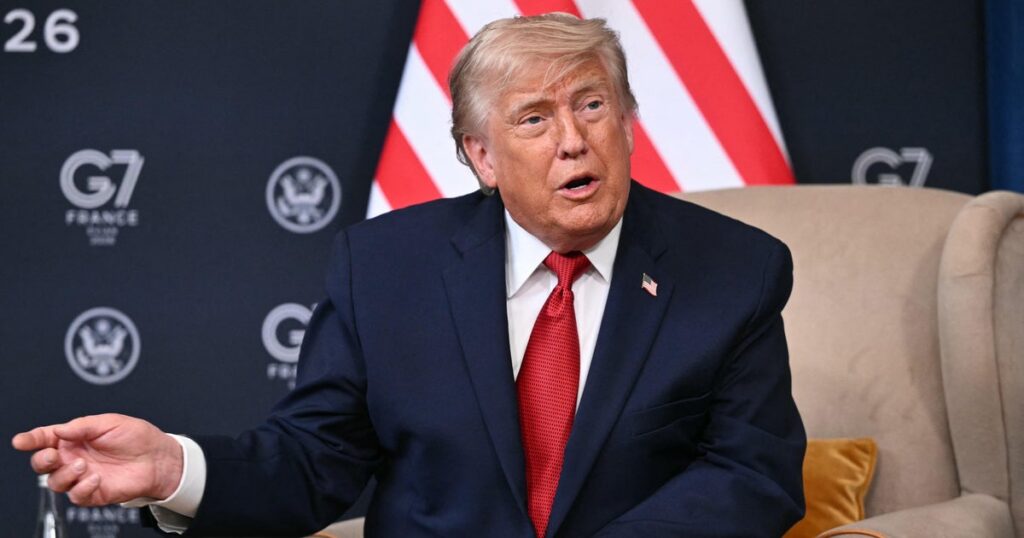
Trump said the U.S.-Iran memorandum is not a final deal and warned bombing could resume if a broader agreement is not reached. The 14-point framework calls for a ceasefire, reopening the Strait of Hormuz, nuclear limits, sanctions relief and further talks within 60 days.
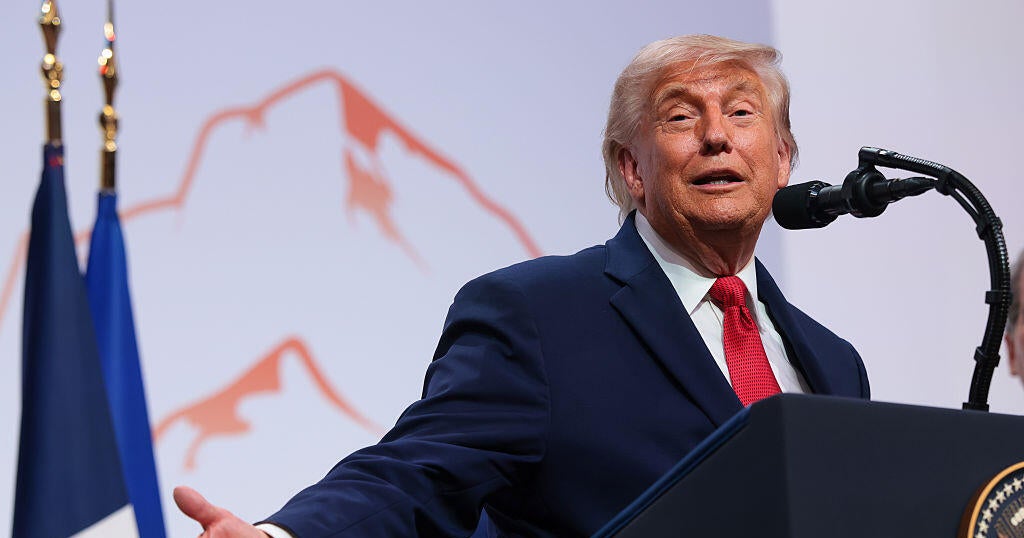
Iran says it is considering whether Presidents Masoud Pezeshkian and Donald Trump should sign a Swiss memorandum of understanding opening 60 days of negotiations. The draft framework covers a halt to military operations, sanctions relief, Iran’s nuclear program and Strait of Hormuz shipping.
U.S. officials say Washington and Tehran have digitally signed a memorandum to extend a ceasefire, reopen the Strait of Hormuz and begin nuclear negotiations. The deal’s effect on Lebanon remains uncertain as Israel says it is not bound by the agreement.