Key takeaways:
- Vice President JD Vance said Iran agreed to allow IAEA nuclear inspectors back into the country as soon as this week.
- Mediators Qatar and Pakistan said the U.S. and Iran agreed on communication channels for the Strait of Hormuz and a deconfliction mechanism involving Lebanon.
- The first round of talks lasted about 18 hours, and technical negotiations were expected to continue through the week.
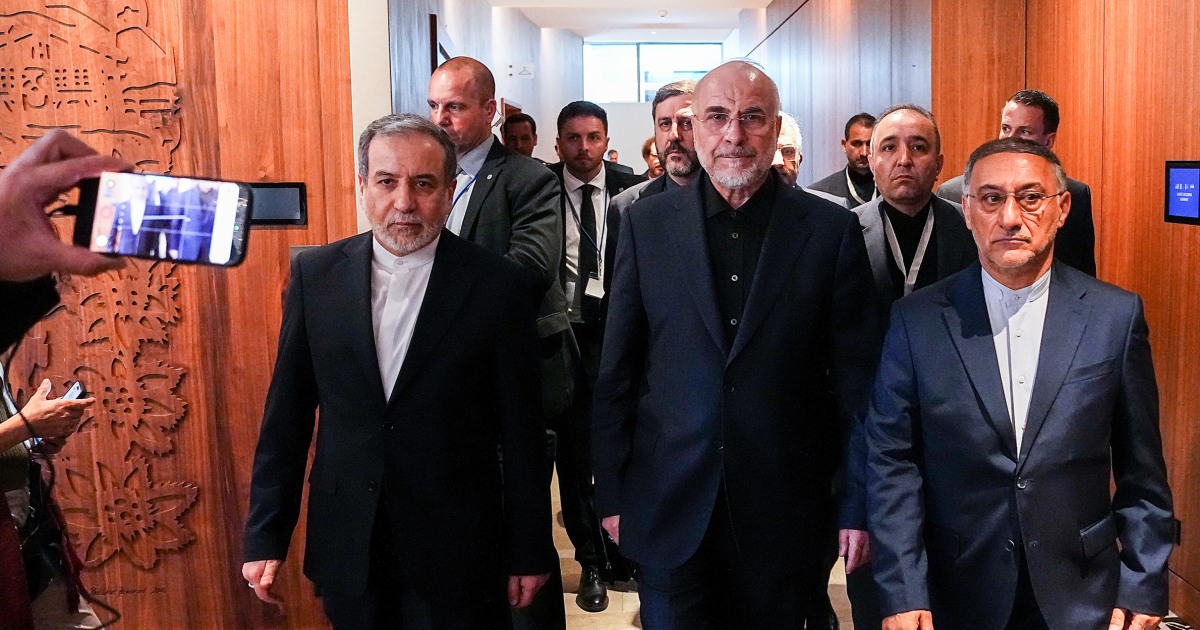
The United States and Iran emerged from marathon talks in Switzerland with a roadmap for further negotiations, new channels to reduce the risk of conflict and, according to Vice President JD Vance, an Iranian commitment to let international nuclear inspectors return within days.
Vance said Monday that the first direct talks had produced “a lot of good progress” and laid the groundwork for a final agreement. Mediators Qatar and Pakistan described the discussions at the Lake Lucerne summit as positive and constructive, saying the two sides agreed on steps aimed at reaching a final deal within 60 days.
“We laid a very good foundation for a successful final deal,” Vance told reporters before leaving Switzerland. “The final deal is the house. We set the foundation. We haven’t built the house, but we’ve laid a successful foundation to get to a good place for the American people.”
The talks lasted about 18 hours, according to Iranian Foreign Ministry spokesman Esmail Baqaei, beginning Sunday morning and ending around 3 a.m. Monday. Technical negotiations were expected to continue through the week, though the format of future discussions was not immediately confirmed.
Vance said Iran had agreed to allow inspectors from the International Atomic Energy Agency back into the country as soon as this week, calling the step “a major milestone for the American people” and “the first step in permanently denuclearizing or permanently ending a nuclear weapons program in Iran.” Iran’s foreign ministry offered a more cautious account, saying earlier that there had been only “a very brief discussion” of the nuclear issue and that “it cannot be said that negotiations on the nuclear issue have begun.”
Mediators said Washington and Tehran agreed to establish a line of communication to prevent “incidents and miscommunication” in the Strait of Hormuz and help ensure safe passage for commercial vessels. The waterway has been a central point of tension during the conflict.
The talks also produced a deconfliction mechanism involving Lebanon’s government to support the end of military operations in Lebanon, where fighting between Israel and Iran-backed Hezbollah has repeatedly threatened wider diplomacy. The memorandum of understanding signed last week calls for a halt to fighting on all fronts, including Lebanon.
Vance said the past 24 hours had been “probably the most peaceful that we’ve seen” in Lebanon since the war began. Iranian Foreign Minister Abbas Araghchi also cited “major progress to end” the Lebanon war but said the deconfliction cell would be the first “real test” of the new process.
The diplomatic opening followed a rocky start. President Donald Trump warned Sunday on Truth Social that the United States would hit Iran “very hard again, just like we did last week, only harder!!!” unless it stopped Hezbollah from “causing trouble.” NBC News reported that Trump also told Fox News the U.S. would “blow the s— out of them” if Iran closed the Strait of Hormuz. Vance confirmed Iran had threatened to walk out over Trump’s remarks but defended the president’s response.
Iranian officials warned against further threats. Parliament Speaker Mohammad Bagher Ghalibaf wrote on X, “We don’t count on the threats of the Americans,” while Baqaei said Tehran would no longer negotiate directly if such threats continued, according to NBC News.
Economic issues also featured in the talks. Iran’s Central Bank Governor Abdolnaser Hemmati told the semi-official Tasnim news agency that “significant progress” had been made on releasing frozen Iranian assets. Vance said Jared Kushner had proposed a plan involving U.S. and Qatari approval for purchases of U.S. soy, corn and wheat. CBS News reported that U.S. officials have been working with Qatar on making billions of dollars available for humanitarian purposes, likely beginning with $6 billion held in Qatar.
Oil prices fell Monday after the talks, with Brent crude down more than 1% to just under $80 a barrel in afternoon Asian trading, CBS News reported.



Be First to Comment