Key takeaways:
- The US import ban took effect at 12:01 a.m. Eastern time Tuesday and covers Canadian alcohol, dairy products and motorcycles.
- An analysis cited by CBS News estimates the ban covers $967 million in Canadian imports, 87% of them alcoholic beverages.
- Prime Minister Mark Carney said the measures are relatively modest but acknowledged they will hurt targeted businesses.
The United States began blocking imports of Canadian alcohol, dairy products and motorcycles early Tuesday, escalating a trade dispute even as officials on both sides played down the ban’s overall economic impact.
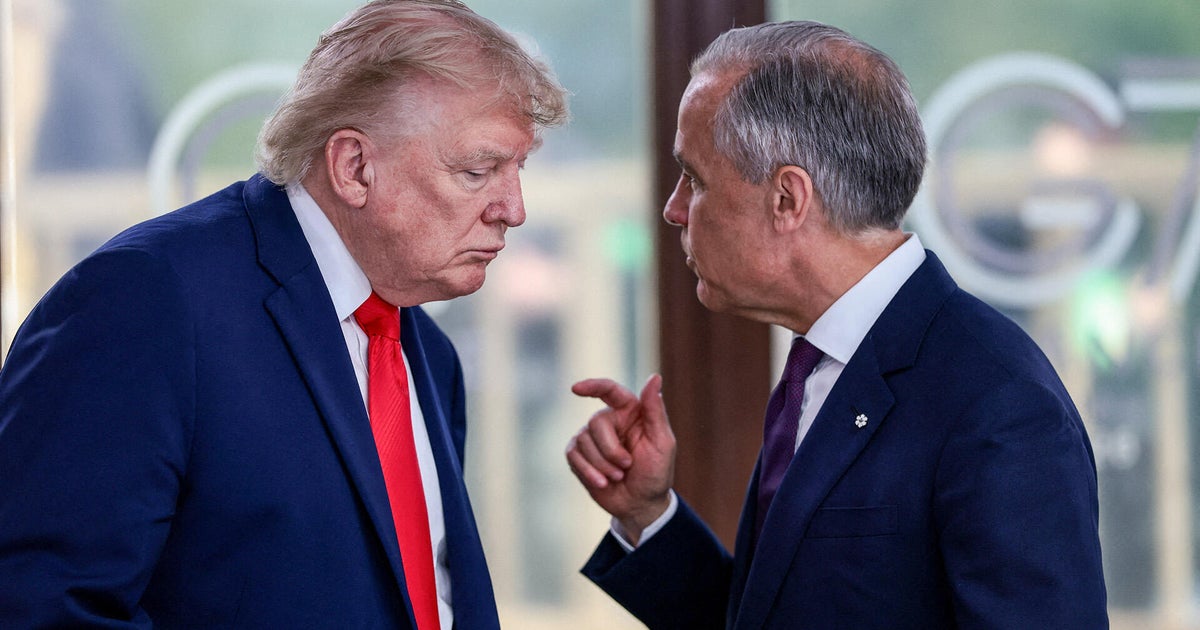
The measure took effect at 12:01 a.m. Eastern time. President Donald Trump ordered it after Canada retaliated against US tariffs with levies on American goods. In executive orders signed on Sept. 8, Trump accused Canada of “continued discrimination” against US dairy, automotive and alcohol producers.
The ban covers an estimated $967 million in Canadian imports, based on 2025 figures analyzed by Jacob Jensen, director of trade policy at the American Action Forum, CBS News reported. Alcohol accounts for 87% of that estimate. The restricted products include beer, several types of liquor, sparkling wine, brandy, sake and whey, a milk byproduct used in protein powder.
The BBC reported that the ban applies to nearly C$1 billion ($710 million) worth of Canadian liquor exports to the US. About 93% of Canadian liquor exports in 2025 went to the US, and Spirits Canada, an industry group, said the consequences for producers “could be significant,” according to the BBC.
Motorcycles are also affected. Quebec-based Bombardier Recreational Products said its three-wheel Can-Am Spyder and Canyon motorcycles “will be excluded from importation into the U.S.” It expects little effect until next year because most production and shipments for the current season are complete, CBS News reported. Canada exported about 5,000 motorcycles to the US in 2025, worth roughly C$120 million, according to Statistics Canada figures cited by the BBC.
The restrictions follow US tariffs of 50% on a range of Canadian products and Canadian retaliatory tariffs of 15% to 50%. Most Canadian provinces have also stopped selling US liquor. The two countries have long disputed Canada’s protections for its dairy industry, including steep tariffs on imports that exceed a quota.
Canadian Prime Minister Mark Carney called the new bans “relatively modest measures” compared with other US trade actions, while acknowledging that targeted businesses will be hurt, the BBC reported. Canada is not expected to retaliate further, the BBC said.
A spokesman for Canada-US Trade Minister Dominic LeBlanc called the US measures “unjustified” and said the government’s priority remains protecting Canadian workers, farmers, families and businesses.
Trump, speaking to reporters Monday, predicted Canada would seek a deal. “I think a deal will be made but it’s gonna be fair,” he said. He also accused Canada of treating the United States “very unfairly.”
Trade talks remain stalled. US Trade Representative Jamieson Greer told CNBC last week that the two sides occasionally discuss potential deals, but “there’s no urgency on our side.” Patrick Childress, a trade attorney and former US trade official, told CBS News the tariffs had already made many of the banned goods uneconomical to import. He said the standoff could last months.
The dispute also clouds efforts to renew the US-Mexico-Canada Agreement, which allows most goods to cross North American borders duty-free. Carney has sought to reduce Canada’s reliance on the US, which accounted for more than 70% of Canadian exports last year, according to CBS News.













Be First to Comment