Key takeaways:
- Smith brought two federal cases against Trump, both of which ended after Trump’s election to a second term.
- Republicans are questioning Smith over records involving lawmakers obtained during his election investigation.
- A federal judge has barred release of the classified-documents portion of Smith’s final report.
Former special counsel Jack Smith faces questions Tuesday from a Senate panel led by Republicans who accuse him of abusing his authority in his investigations of President Donald Trump. Smith is expected to defend his decision to bring charges, saying he followed the evidence rather than politics.
The Senate Judiciary Committee hearing, scheduled for 9 a.m. Eastern, centers on Smith’s investigation into Trump’s efforts to overturn his 2020 election loss. Smith also brought a case involving Trump’s handling of classified documents after leaving office. Trump pleaded not guilty in both cases, which ended after his election to a second term.
Committee Chairman Chuck Grassley, an Iowa Republican, has titled the hearing “Oversight of Jack Smith’s Abuse of Authority and the Targeting of Republicans and Related Matters.” Grassley said Smith “must answer” for what he called “rampant abuse of authority and political targeting” paid for by taxpayers. Smith has denied that he targeted Republicans for political reasons.
“I stand by my decisions as Special Counsel, including my decision to bring charges against President Trump,” Smith is expected to say, according to prepared remarks obtained by CBS News. “If asked whether to prosecute a former President based on the same facts today, I would do so regardless of whether that President was a Republican or a Democrat.”
Smith’s election investigation has drawn scrutiny over records his team obtained involving lawmakers. CBS News reported that Republicans have challenged Smith’s account of the records after Justice Department documents provided to the Senate committee showed his team obtained text messages from the National Archives that included messages from 44 members of Congress, both Republicans and Democrats. In earlier testimony, Smith said he had not sought a search warrant for the contents of lawmakers’ text messages, only telephone toll records. Those records show details such as numbers and call times, not conversations.
Smith said in January that the toll records were relevant to understanding the scope of the alleged conspiracy under investigation, including whom participants sought to influence. He called obtaining such records “common practice” in complex investigations.
Rep. Jim Jordan, the Republican chairman of the House Judiciary Committee, has asked the Justice Department to investigate Smith over his congressional testimony. Smith’s lawyers said he gave “truthful, responsive answers” and accused Jordan of seeking to “weaponize the justice system.” Trump has also called for Smith to be prosecuted and accused him of perjury.
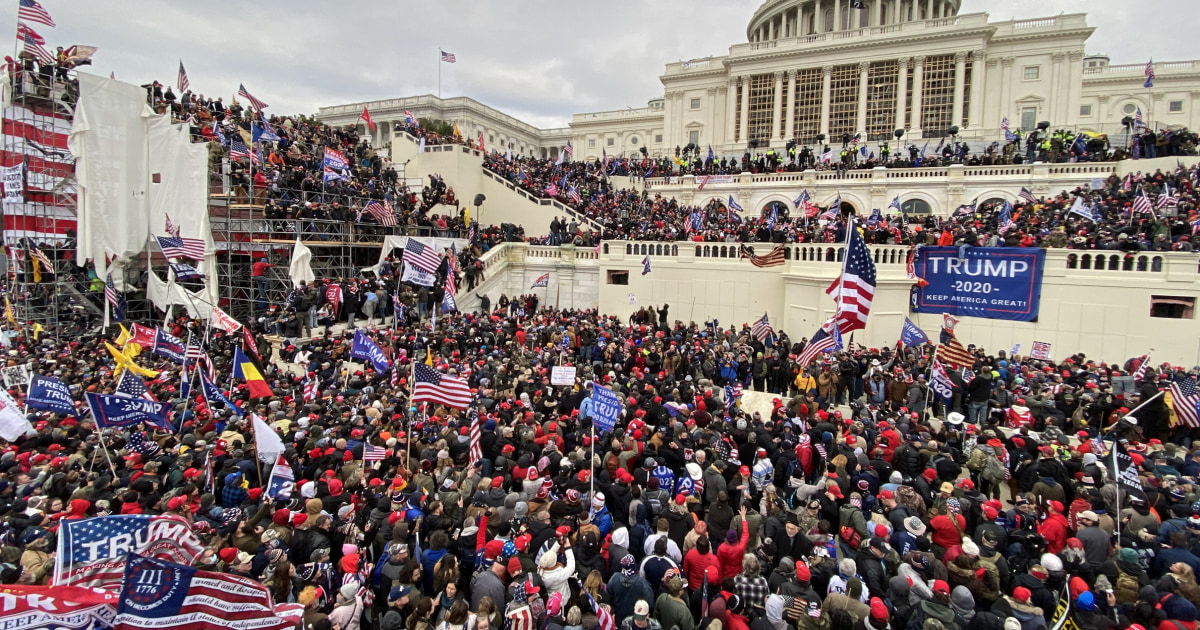
In his final report on the election case, Smith wrote that, absent Trump’s election and return to office, prosecutors believed the admissible evidence was sufficient to obtain and sustain a conviction. Smith has rejected claims that the Biden administration directed his decisions, calling the notion “laughable.” Trump has denied inciting supporters before the Jan. 6 attack on the Capitol and called his remarks that day “totally appropriate.”
Smith is unlikely to discuss the classified-documents portion of his final report. A federal judge has barred its release, and the Justice Department has taken the position that answering questions about that investigation would violate the order.






Be First to Comment