Key takeaways:
- The U.S. import bans on Canadian alcohol, some autos, dairy products and motorcycles are set to take effect Sept. 29.
- Canada’s latest retaliatory tariffs, ranging from 15% to 50% on hundreds of U.S. products, took effect early Tuesday.
- No new U.S.-Canada trade talks have been scheduled since negotiations collapsed in late August.
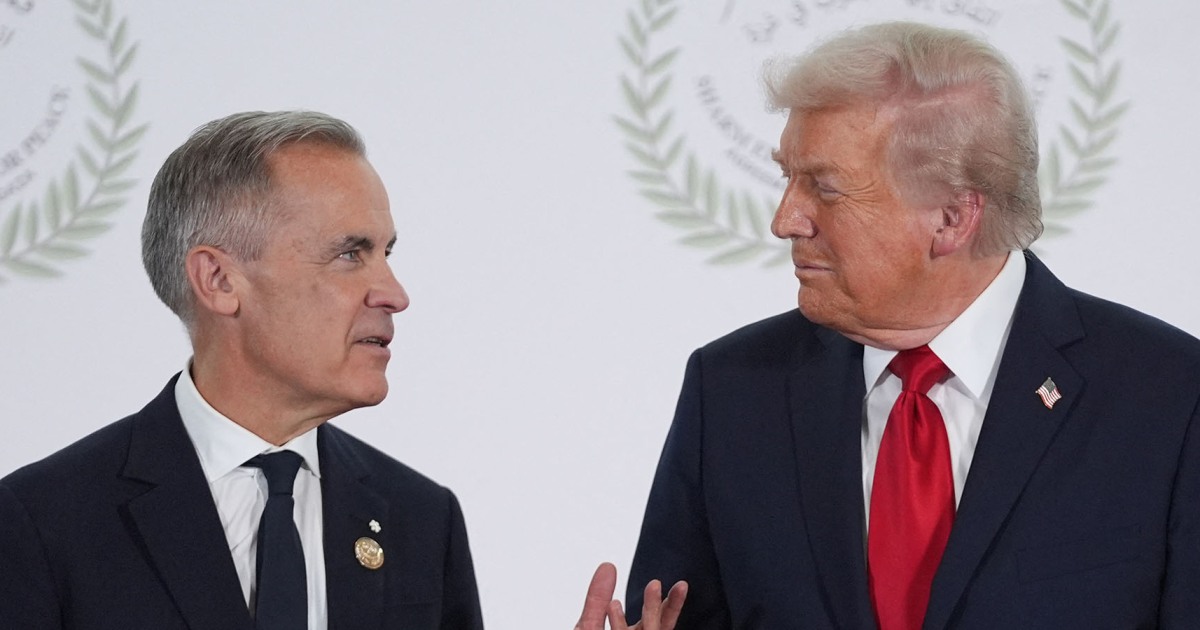
President Donald Trump moved Tuesday to ban imports of several Canadian products, including alcohol, some motor vehicles and dairy goods, sharply escalating a trade fight as Canada’s latest retaliatory tariffs on U.S. goods took effect.
The import bans are scheduled to begin Sept. 29, according to White House documents and administration officials. Trump signed the measures under Section 338 of the Tariff Act of 1930, a trade law the White House first used in late August to impose new tariffs on Canada.
In executive orders cited by the BBC, Trump wrote that “Canada is discriminating in fact against the commerce of the United States.” Senior Trump administration officials told reporters the action was a direct response to Canada’s newest countermeasures, which took effect at 12:01 a.m. Tuesday.
The U.S. restrictions cover Canadian alcohol, some autos, dairy products and motorcycles. The alcohol ban closely mirrors actions taken by Canadian provinces earlier in 2025, when they blocked American alcohol after Trump imposed sweeping duties on Canada.
A senior administration official said the White House also made “housekeeping” changes to tariffs already in place. Duties on cement, road salt and hospital pads were removed and replaced with tariffs on all-terrain vehicles, some cheeses and motor boats.
The confrontation follows the collapse of trade negotiations in late August. Canada’s Prime Minister Mark Carney ended talks on Aug. 21, saying U.S. officials had made “uneconomic” and “unfair” demands at the last minute. Trump administration officials have disputed that account.
Both U.S. and Canadian officials have said they would like to reach an agreement, but the BBC reported that no new talks have been scheduled since the negotiations broke down.
Canada’s latest retaliatory duties cover hundreds of U.S. products, including steel, dairy, household appliances, farm equipment, paper and electronics, with rates ranging from 15% to 50%, according to NBC News. The BBC reported that Canada previously responded with dollar-for-dollar tariffs on U.S. goods such as steel, clothing and furniture after the White House imposed 50% tariffs on about $20 billion in Canadian goods last month.
Trump has also threatened additional measures. A White House official said Tuesday that the president’s plan for 50% duties on cars and trucks remains on the table after Trump recently threatened to impose them on Jan. 1. On Monday, Trump wrote on Truth Social that Canadian jet maker Bombardier should no longer be able to sell its products in the United States. Bombardier responded that it supports thousands of U.S. jobs throughout its supply chain. White House officials said Trump was still reviewing how to implement that idea.
The dispute has increasingly moved beyond tariffs. After trade talks collapsed, Trump moved to rename Lake Ontario as “Lake America,” a change Canadian officials said they would ignore.
“We’ll always call it Lake Ontario. Period,” Canada’s Minister of Industry Mélanie Joly said Aug. 27. “While all these shenanigans are happening, we’ll just be smart, and we’ll be strategic, and we’ll fight back.”
Carney said last week that Canada would not return to talks unless the tone changed. “When the Americans stop doing memes, stop throwing shade, stop trying to be tough and start being serious about having those discussions, we can have those discussions,” he said.
On Tuesday, Carney said in a YouTube video that the Trump administration was trying to “break” Canada with tariffs, but argued the country could withstand the pressure. “With a resilient economy and the strongest fiscal position in the G-7, we have everything we need to pivot and prosper,” he said. Earlier Tuesday, the BBC reported, Carney said Canada’s shift away from the United States as its largest trading partner “will come at a cost.”
As talks with Canada remain frozen, U.S. Commerce Secretary Howard Lutnick is expected to travel to Mexico on Wednesday. Mexico’s Economy Minister Marcelo Ebrard said on X that Lutnick would meet with President Claudia Sheinbaum to discuss the two countries’ trading relationship.












Be First to Comment