Key takeaways:
- IRGC spokesman Hossein Mohebbi warned that any new U.S. assault would change the “weaponry and the geography of the war.”
- Trump told Fox News he was considering options including “wiping Iran out,” “letting them rot economically,” or striking a deal with Tehran.
- Oil prices fell Monday as hopes for renewed U.S.-Iran diplomacy grew, despite continued disruptions around the Strait of Hormuz and Bab el-Mandeb.
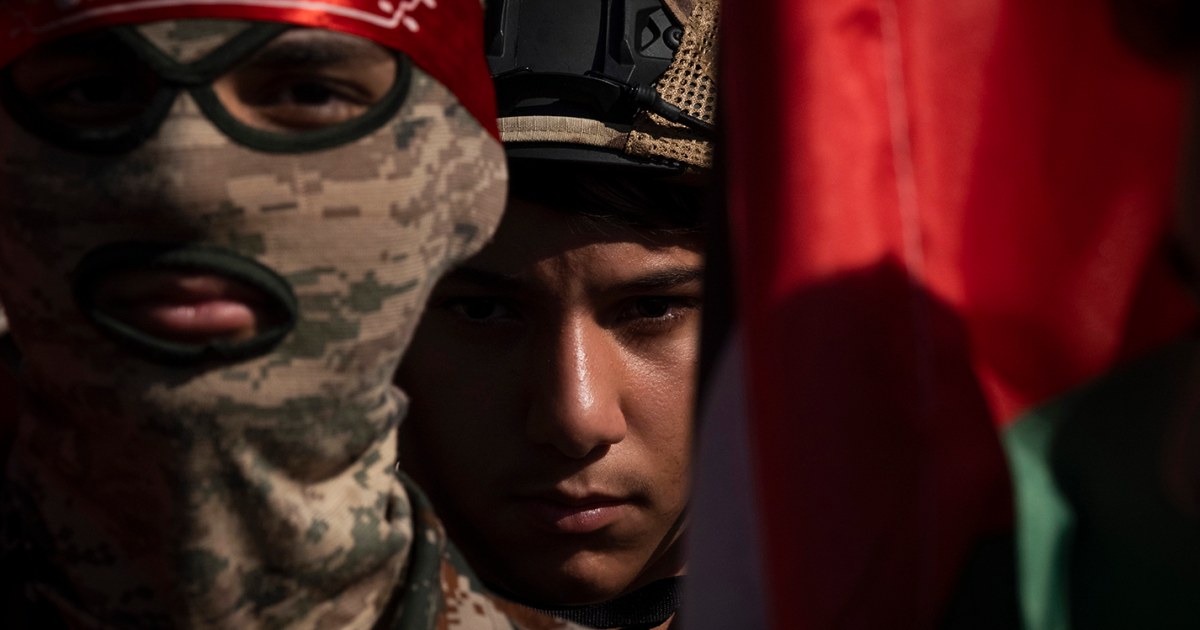
Iran warned it would expand the nearly seven-month war and use unspecified new weapons if the United States launches another assault, as President Donald Trump said he was still weighing whether to escalate the conflict or pursue a deal with Tehran.
“If a new aggression occurs, we will certainly change the weaponry and the geography of the war,” Hossein Mohebbi, a spokesman for Iran’s Islamic Revolutionary Guard Corps, said Sunday, according to Iran’s semiofficial Fars news agency. Mohebbi did not identify the weapons or say what new locations could be targeted.
Mohebbi also said the Revolutionary Guard “has prepared itself for a long-term war” and is now “even more prepared,” according to Iran’s semiofficial Mehr News. He argued that the United States had suffered setbacks including its failure to reopen the Strait of Hormuz, the vulnerability of its regional military and intelligence sites, and the performance of U.S. military technology against Iran’s capabilities.
Trump told Fox News on Sunday that he was in “deciding mode” on Iran and considering options that included “wiping Iran out,” “letting them rot economically,” or trying to strike a deal. “My question is, if and when do I blow the entire nation up,” Trump said. “They better behave.”
The president also said he would “probably” be open to meeting Iranian President Masoud Pezeshkian on the sidelines of the United Nations General Assembly in New York this week, according to Fox News chief foreign correspondent Trey Yingst. Pezeshkian is expected to leave Tehran on Tuesday for the U.N. gathering, where he is scheduled to address the summit and meet with several leaders, Mehr News reported.
But Iranian state media reported Monday that the United States had refused visas for members of Pezeshkian’s communications team. “In an unprecedented hostile move by the U.S. government, Trump has denied U.S. visas to certain members of the president’s high-level delegation,” the state news agency IRNA reported.
The prospect of renewed diplomacy helped push oil prices lower Monday, even as the war continued to disrupt key waterways and energy routes. Brent crude fell more than 3% to below $100 a barrel, CBS News reported, citing The Associated Press. NBC News reported that oil prices slid to their lowest point in more than a week as hopes for talks grew and signs of recovery in Saudi crude exports eased some supply concerns.
The Strait of Hormuz has remained under pressure. Reuters reported that 17 commodity vessels passed through the strait over the weekend, down from 37 a week earlier, while some Middle Eastern oil producers continued exporting crude on tankers with their transponders off. Twenty-two tankers, mainly very large crude carriers, exited Hormuz in the week of Sept. 13, with Saudi Arabia and Iraq each accounting for 43% of the volume, Reuters reported, citing Kpler data.
A tanker traveling through the Strait of Hormuz was struck by an unknown projectile Monday, the U.K. Navy’s Maritime Trade Operations center said. Two crew members reportedly sustained minor injuries, and the vessel continued toward its next port under its own power. No group immediately claimed responsibility.
Fighting also intensified around Yemen. The Iran-backed Houthis said they used missiles and drones Saturday to attack “sensitive” sites in Riyadh and an Aramco facility in Yanbu, a Red Sea oil export hub. U.S. embassies across the Middle East issued security alerts Sunday, urging Americans to exercise caution and prepare for travel disruptions because of the “potential for unforeseen escalation.”
Trump told Fox News that Washington was in constant communication with the Houthis and that the group had agreed not to fight the United States. “The Houthis called us, and they don’t want to fight with us,” he said earlier this month. “They would much prefer not having us involved, and they’re letting most ships go through.”
The New York Times reported Monday that Trump considered but decided against joining Saudi Arabia in strikes against the Houthis in Yemen. NBC News said it could not independently confirm that report, and the White House did not immediately respond to a request for comment.








Be First to Comment