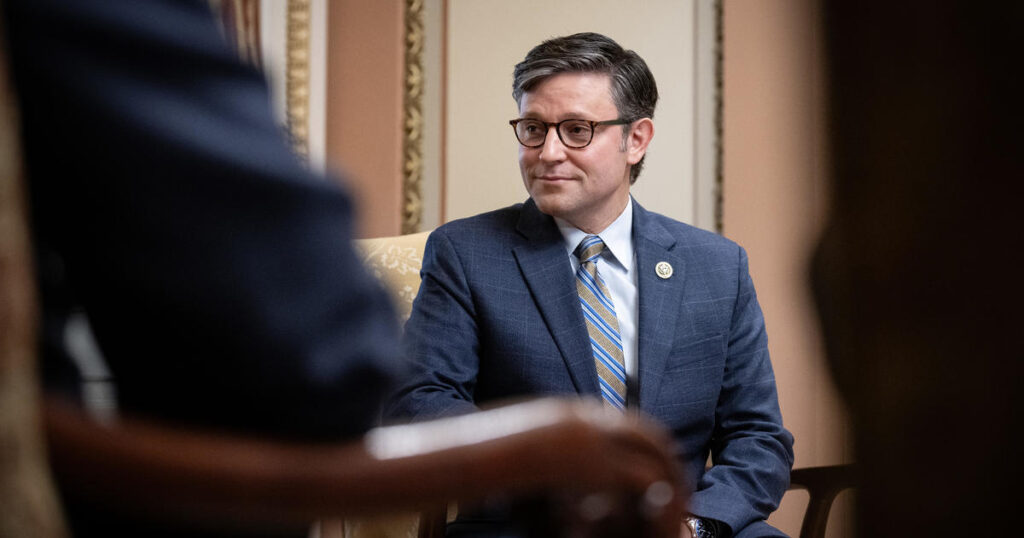
The Alliance Defense Fund (ADF) is a conservative Christian legal organization that has been at the forefront of many legal battles related to reproductive rights and the LGBTQ community. Their involvement has been met with criticism, especially due to House Speaker Mike Johnson's past comments comparing the judicial philosophy that legalized the right to an abortion to Hitler's. The ADF has also been involved in the Terri Schiavo case, representing the Schiavo family in their legal battle.
Posts tagged as “the Establishment Clause of the First Amendment”
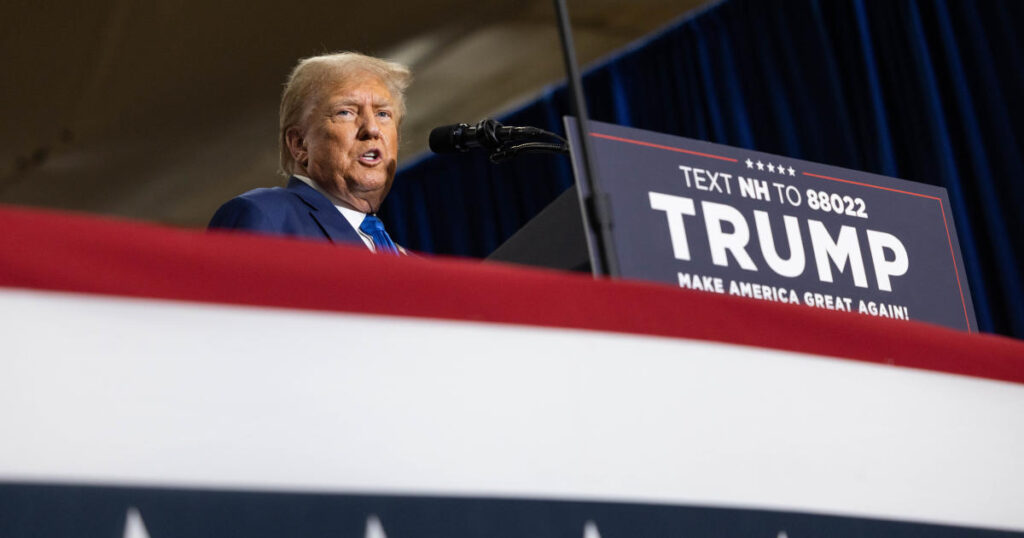
Donald Trump is challenging the federal criminal charges brought against him in connection with the 2020 presidential election, claiming in court filings that his actions are protected by the First Amendment and that he cannot be tried again after being acquitted by the Senate in his impeachment trial. His defense team argued that the prosecution is politically motivated and asked the federal judge to dismiss the charges. The judge has yet to issue a ruling on the matter.
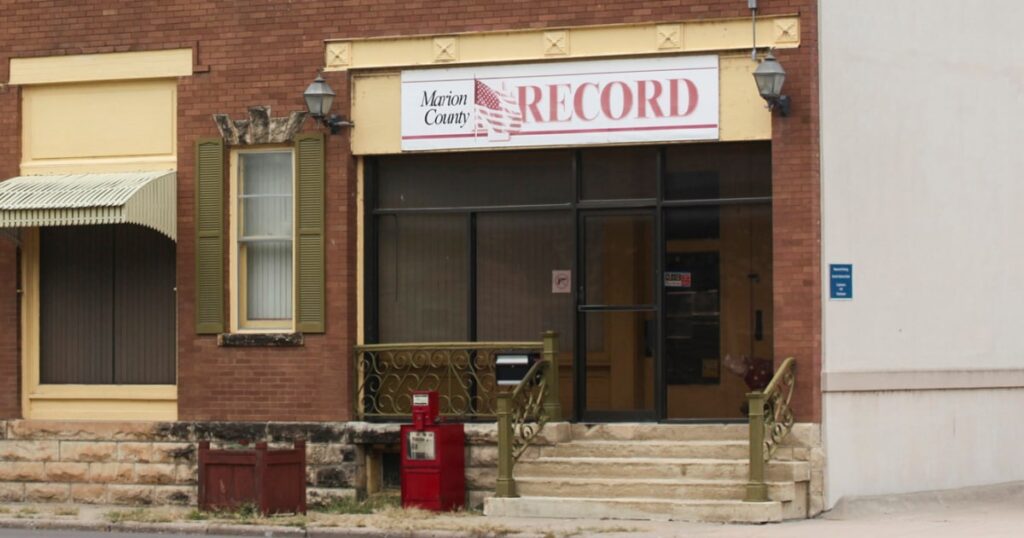
The small town of Marion, Kansas was thrust into the national spotlight this week after the police chief of the town, Gideon Cody, was suspended following a highly criticized raid of a local newspaper. In response to the raid, Marion Mayor David Mayfield suspended Cody on Thursday, and Cody resigned Monday. The raid had a tragic consequence, as the Record co-owner Joan Meyer, 98, died of stress caused by the incident the day after the raid. The raid of the Marion County Record has sparked a national debate about the press protections offered by the First Amendment to the U.S. Constitution.
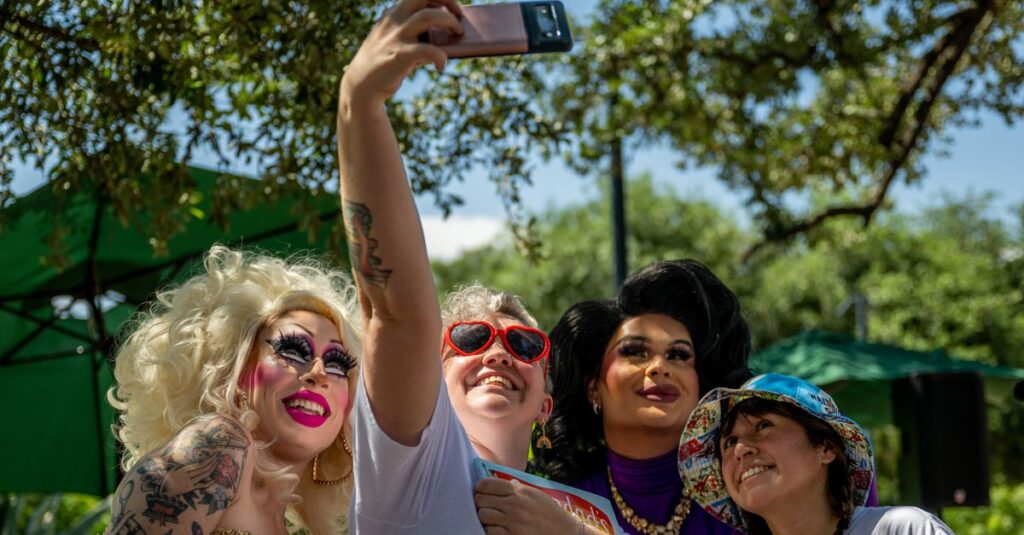
A federal judge has ruled that a Texas law that would have restricted drag performances is unconstitutional, in violation of the First Amendment. The law, signed by Governor Greg Abbott, did not specifically cite drag performances, but LGBTQ advocates feared it was intended to criminalize the art form. The ruling has been celebrated by LGBTQ advocates, who argued that the law would have had a chilling effect on drag performances and other forms of expression. Judge Hittner concluded that the law would have wrapped up a large amount of constitutionally protected conduct in its enforcement.
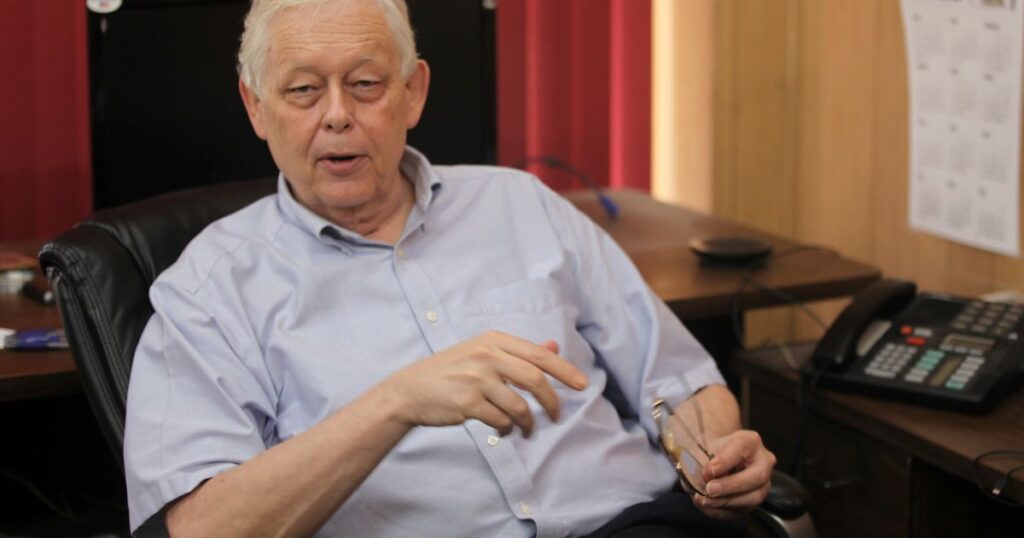
The Marion Police Department has come under fire for raiding the offices of the Marion County Record and the home of its publisher and owner, Eric Meyer. Meyer has accused the police of causing enough stress to his 98-year-old mother, Joan, to cause her death. Press freedom watchdogs and civil rights organizations have called for an investigation into the raid, which they deem a violation of the First Amendment. The outcome of the investigation is yet to be seen.
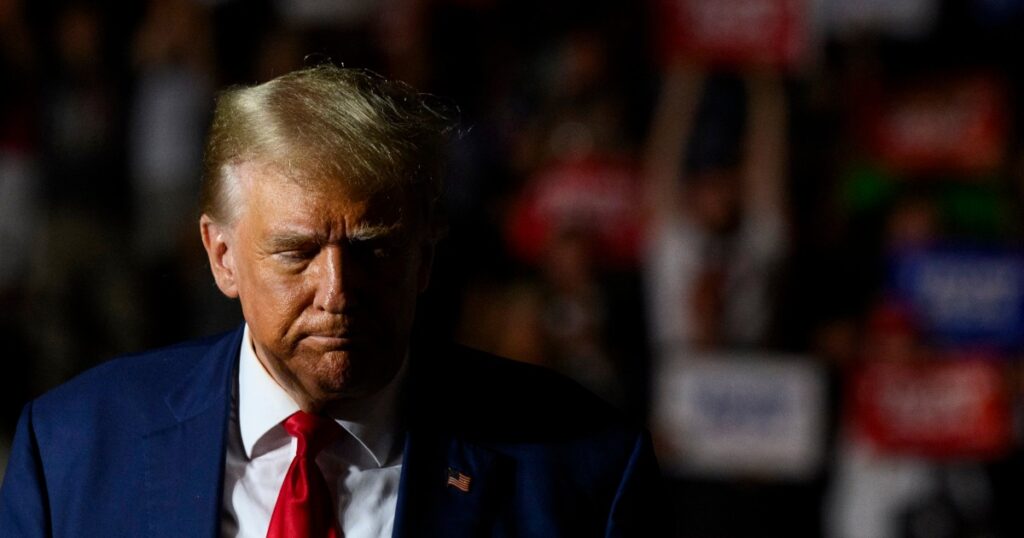
Former President Donald Trump's $475 million defamation lawsuit against CNN has been dismissed by U.S. District Judge Raag Singhal, who was appointed by Trump himself. The lawsuit was in response to CNN's use of the phrase "the Big Lie" when referring to Trump's false claims about the 2020 election, which Trump claimed likened him to Adolf Hitler. Judge Singhal ruled that the references were opinion and not factual statements, and thus did not amount to defamation. The dismissal of the lawsuit is the latest in a series of legal setbacks for Trump, who has vowed to continue to fight for his legal rights.

A federal judge has temporarily blocked Arkansas from enforcing a law that would have allowed criminal charges against librarians and booksellers for providing "harmful" or "obscene" materials to minors. The law, passed in April, would have allowed parents and guardians to file complaints with the Arkansas Department of Education if they believed library materials were harmful to minors. The American Civil Liberties Union of Arkansas challenged the law, arguing it was an unconstitutional infringement on free speech, and the court issued a preliminary injunction in response.

A federal judge appointed by former President Donald Trump has denied the Justice Department's request to pause a sweeping ruling preventing many government entities from flagging social media misinformation to the platforms. The ruling prevents top Biden administration officials and several agencies from contacting social media companies, and Judge Doughty stated that those being "censored" suffered far a greater injury than the government. The Justice Department argued that the injunction was too broad, but Judge Doughty rejected this claim, saying that the injunction was narrowly tailored to protect the First Amendment rights of the citizens of Missouri and Louisiana.