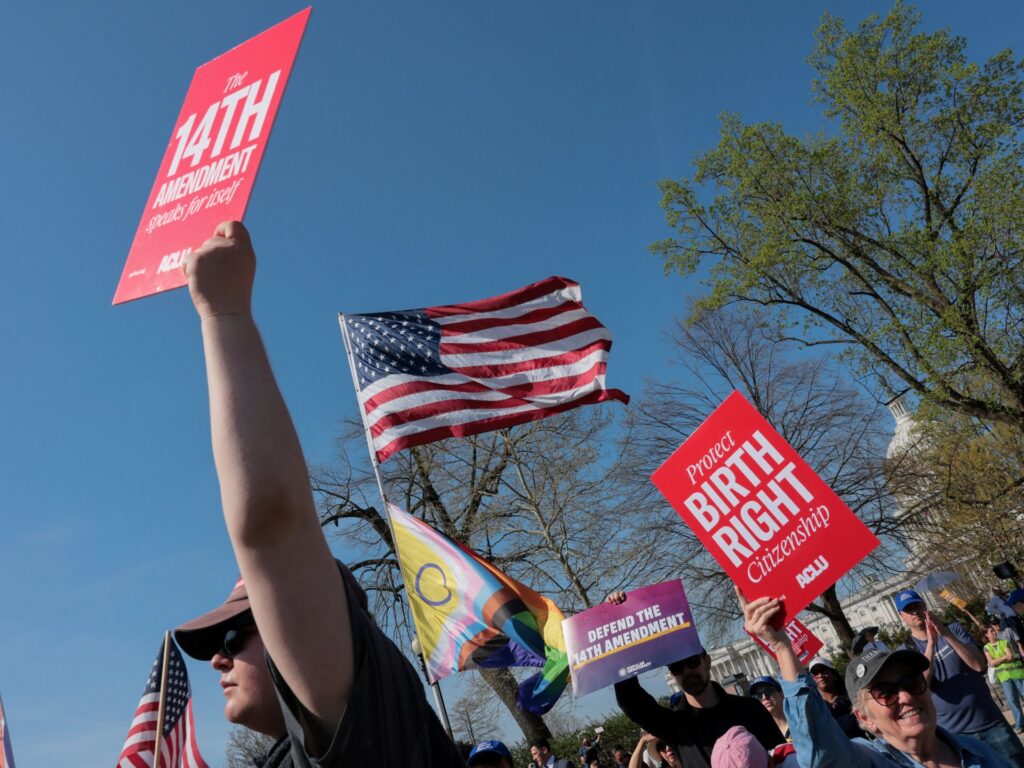
The Supreme Court rejected Donald Trump’s bid to end birthright citizenship for children born in the U.S. to undocumented or temporary-status parents. Trump urged Congress to pursue restrictions despite major legal and political obstacles.
Posts tagged as “the Establishment Clause of the First Amendment”
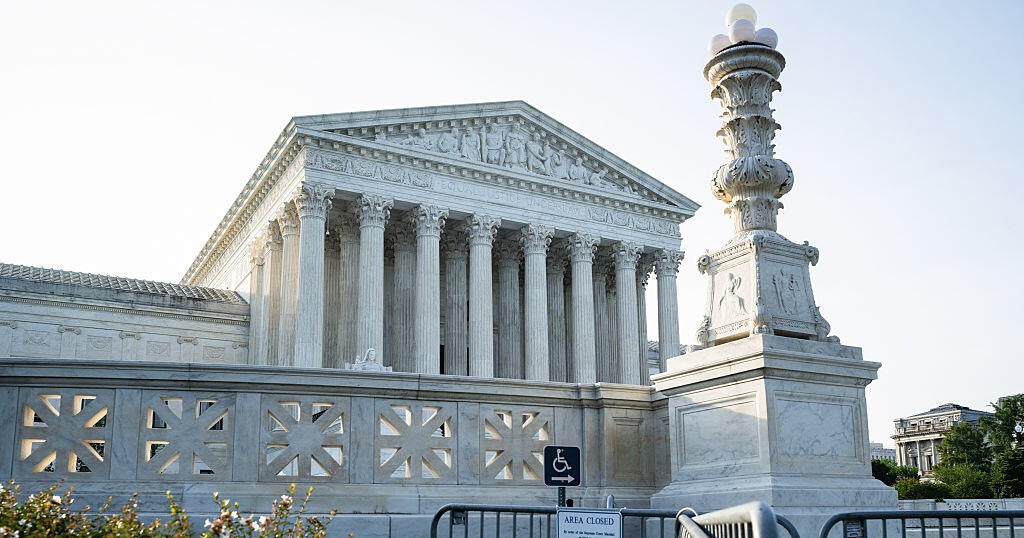
The Supreme Court ruled 6-3 that federal limits on coordinated spending by political party committees violate the First Amendment. The decision came in a challenge brought by JD Vance, Steve Chabot and Republican campaign committees.
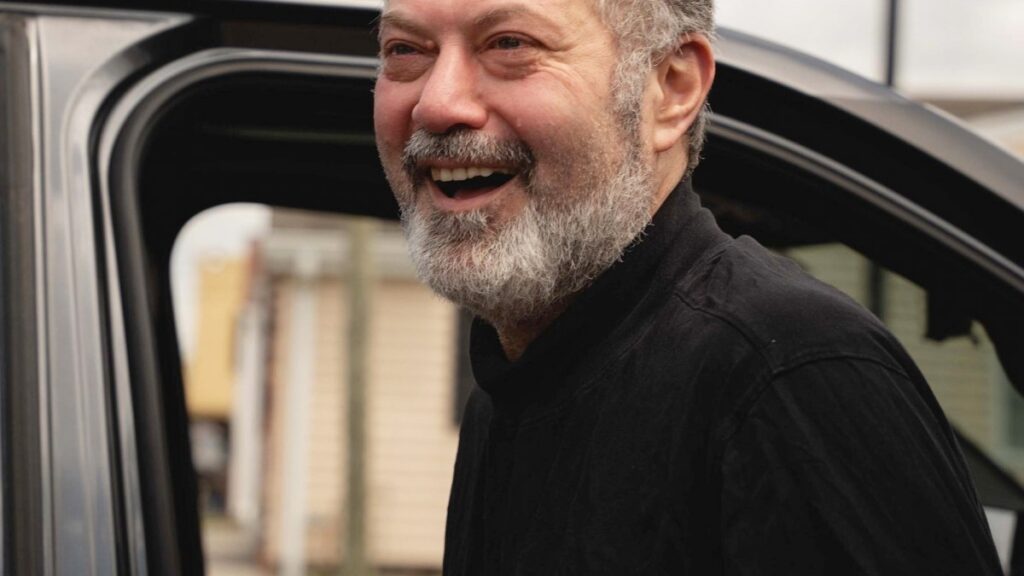
A federal judge ordered the release of Salah Sarsour, a Wisconsin mosque leader detained by ICE, after finding he raised a substantial First Amendment retaliation claim. Sarsour says he was targeted for his Palestinian rights advocacy, while DHS has called him a national security threat.
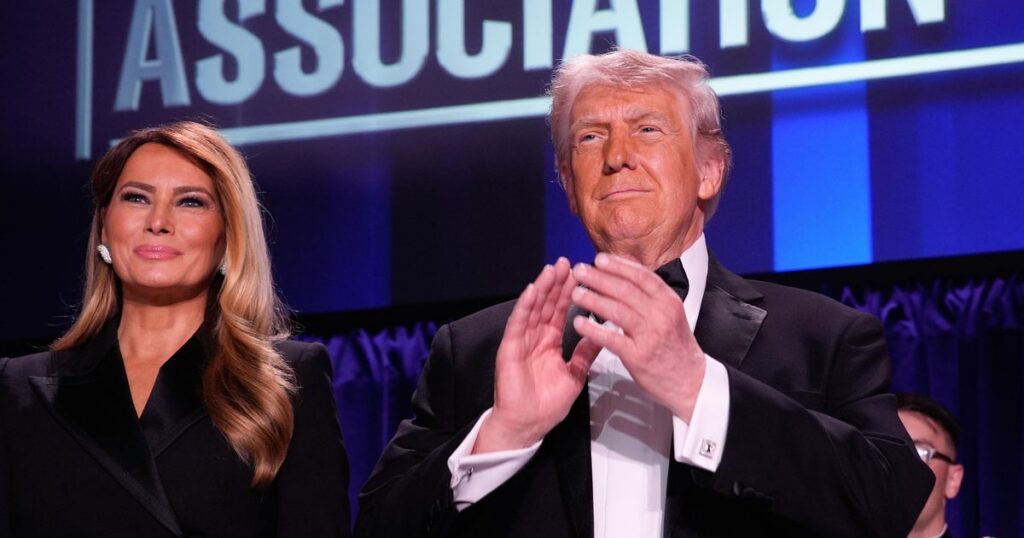
The White House Correspondents’ Association will reschedule its annual dinner for July 24 after gunfire disrupted the April 25 event. President Trump says he will attend and speak at the smaller gathering, which organizers say will have enhanced security.
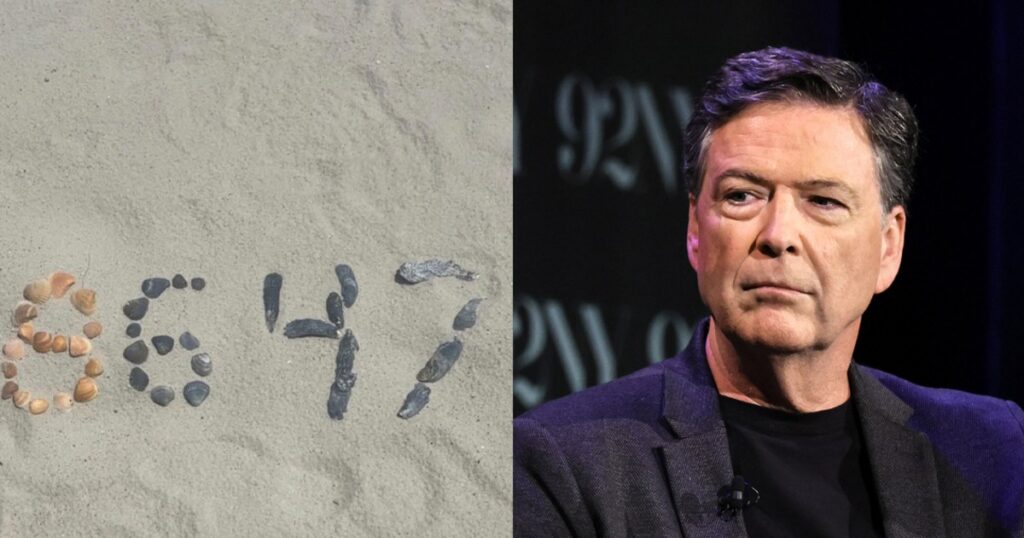
Matthew Petracca, the lead prosecutor in the case accusing James Comey of threatening President Trump with a seashell Instagram post, has stepped aside. The case faces legal challenges and criticism over constitutional concerns as it heads toward trial in October.
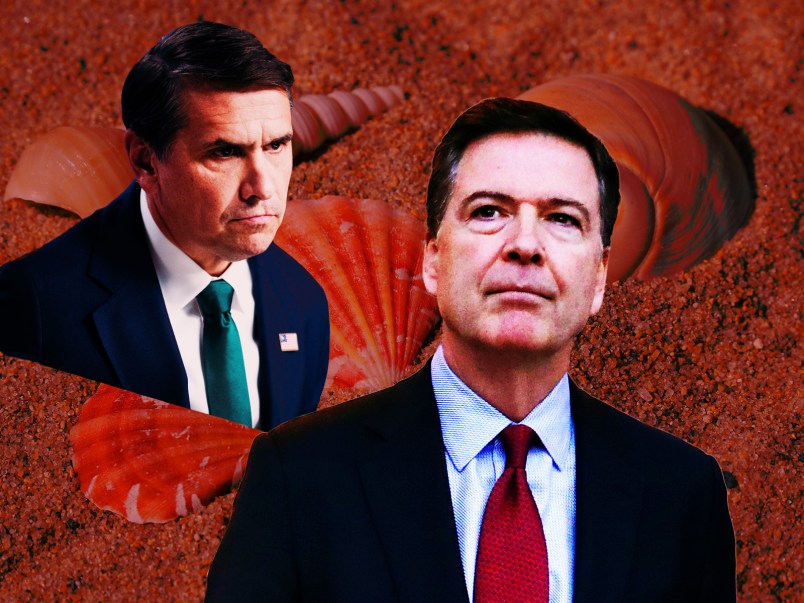
Former FBI Director James Comey faces new federal charges over an Instagram post interpreted as a threat against former President Trump. The indictment marks the second prosecution of Comey by the Trump-era Justice Department.
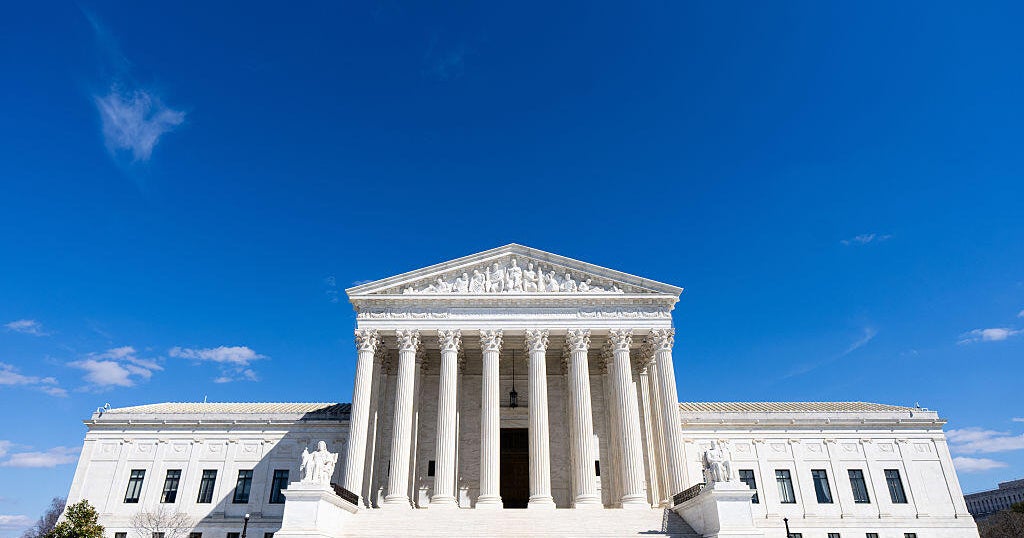
The U.S. Supreme Court ruled 8-1 that Colorado's ban on conversion therapy for minors violates the First Amendment by regulating speech based on viewpoint rather than professional conduct. The decision, authored by Justice Gorsuch, emphasized that the law censors speech and sent the case back to lower courts for further review under stricter constitutional scrutiny. Justice Ketanji Brown Jackson dissented, warning the ruling could hinder states' ability to regulate medical professionals and protect patients, highlighting the ongoing conflict between free speech rights and LGBTQ protections.
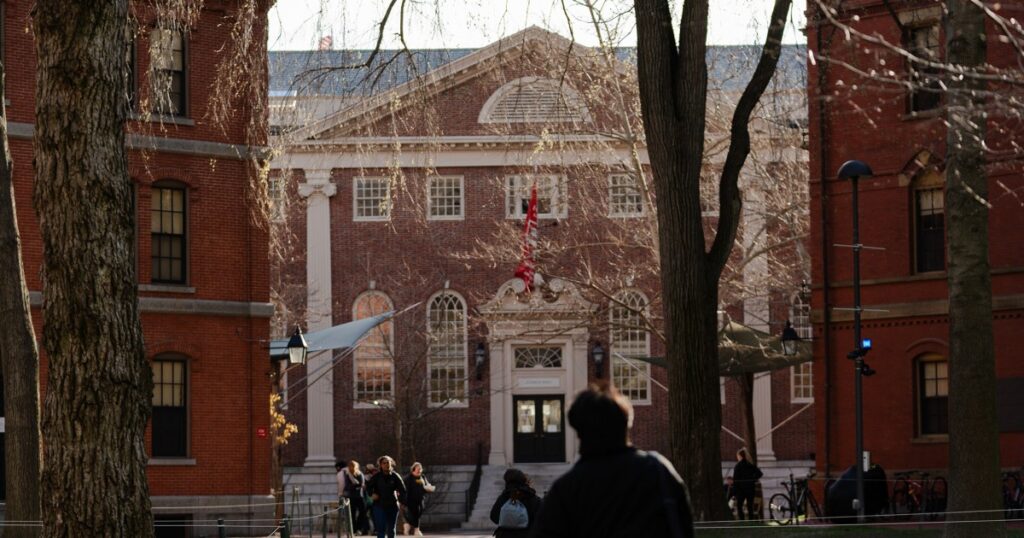
Harvard University has filed a lawsuit against the Trump administration in response to a decision to freeze $2.2 billion in federal funding, arguing that the move represents an "unprecedented and improper" attempt to control the institution. The conflict arose after the administration demanded changes to Harvard's policies and leadership, as well as an audit for "viewpoint diversity," which the university refused, leading to the funding freeze and threats of further suspensions. Harvard President Alan Garber emphasized the importance of defending the university's autonomy and principles, highlighting the broader implications for academic freedom and government intervention in higher education.