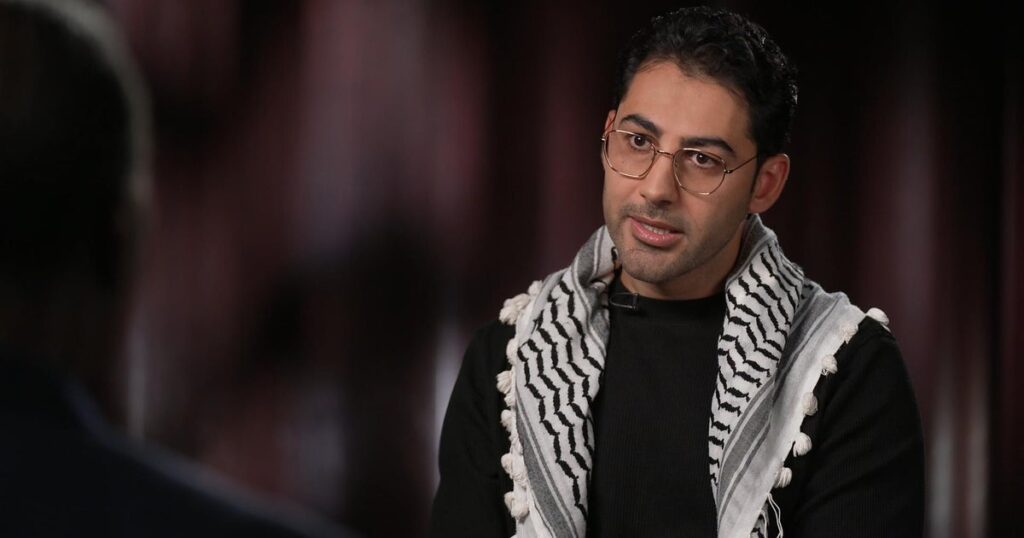
Mohsen Mahdawi, a Palestinian student at Columbia University, was detained by federal agents during a citizenship interview, with his legal team arguing that this violates his First Amendment rights due to his involvement in protests against the Israel-Gaza conflict. The Trump administration is reportedly using an obscure law to justify his deportation, claiming he poses "adverse foreign policy consequences for the United States," a provision also cited in another activist's case. This situation reflects broader concerns about the administration's crackdown on foreign students and the potential implications for their immigration status, highlighting tensions between immigration policies and the rights of activists.
Posts tagged as “the Establishment Clause of the First Amendment”
A federal judge ruled in favor of The Associated Press (AP) in a case against the White House, mandating the restoration of the AP's access to key events after it was excluded for refusing to use the term "Gulf of America" instead of "Gulf of Mexico." The judge emphasized the importance of viewpoint neutrality and the First Amendment, stating that media organizations should not face discrimination based on their editorial choices. This decision highlights the necessity of a free press and is expected to influence how the administration engages with media, ensuring access is not dependent on specific viewpoints.
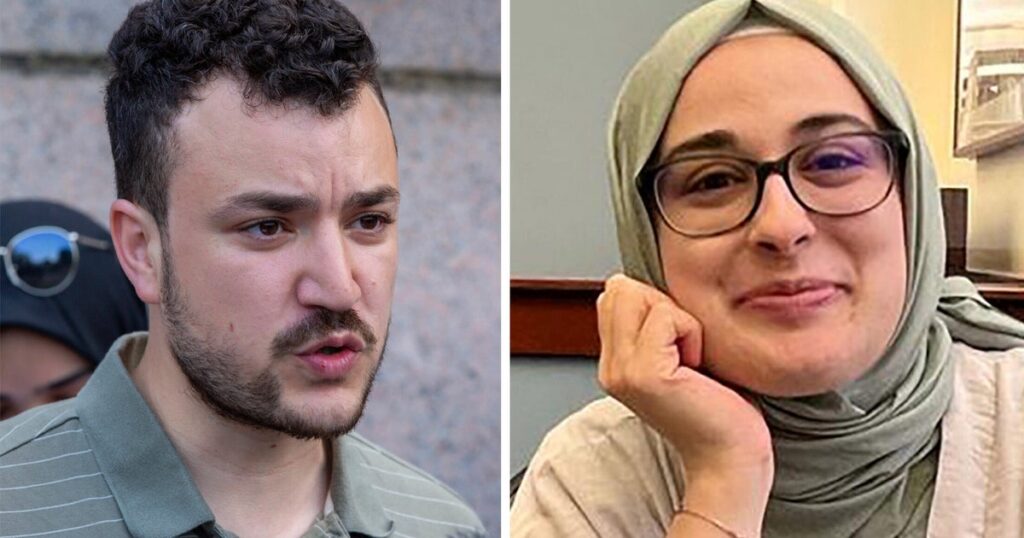
The Trump administration's increased scrutiny of foreign students participating in pro-Palestinian activities has led to the detention and visa revocation of several students at U.S. universities, raising concerns about First Amendment rights. This has sparked a debate over the balance between national security and individual rights, particularly following recent incidents at institutions like Tufts University and Columbia University. As universities express support for their international students, the situation underscores the tension between immigration policies and the rights to political expression, with broader implications for academic freedom and free speech in the U.S.
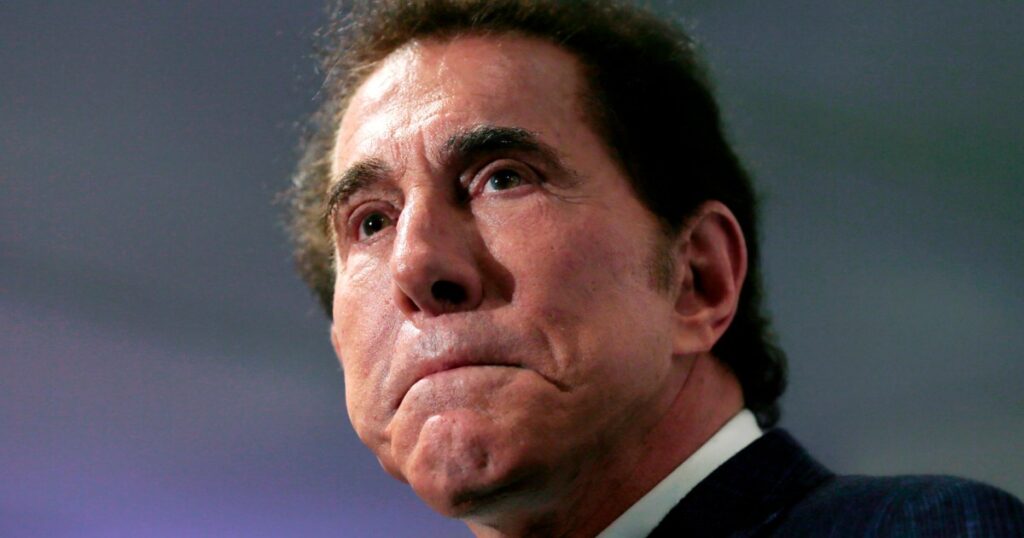
The United States Supreme Court has declined to hear a case brought by Steve Wynn, which sought to challenge the 1964 New York Times v. Sullivan decision that requires public figures to prove "actual malice" in defamation lawsuits. Wynn's case aimed to lower the threshold for public figures to pursue defamation claims, potentially altering media law, but the court's decision leaves the existing standard intact. This decision highlights the ongoing influence of the Sullivan ruling in protecting news organizations under the First Amendment, despite some calls to revisit the precedent.
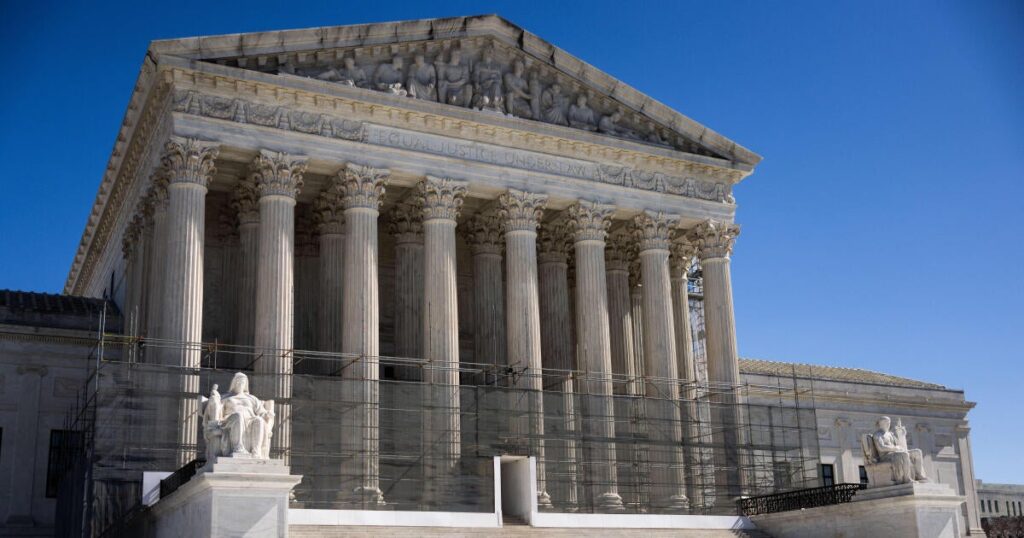
In 2019, Colorado enacted a law prohibiting licensed mental health professionals from practicing conversion therapy on minors, in response to concerns about its negative impact on mental health. The U.S. Supreme Court has agreed to hear a challenge to this law, brought by a Christian therapist who claims it infringes on her First Amendment rights. The case has significant implications for similar bans across more than 20 states, as it addresses the balance between protecting minors' mental health and upholding free speech and religious rights.
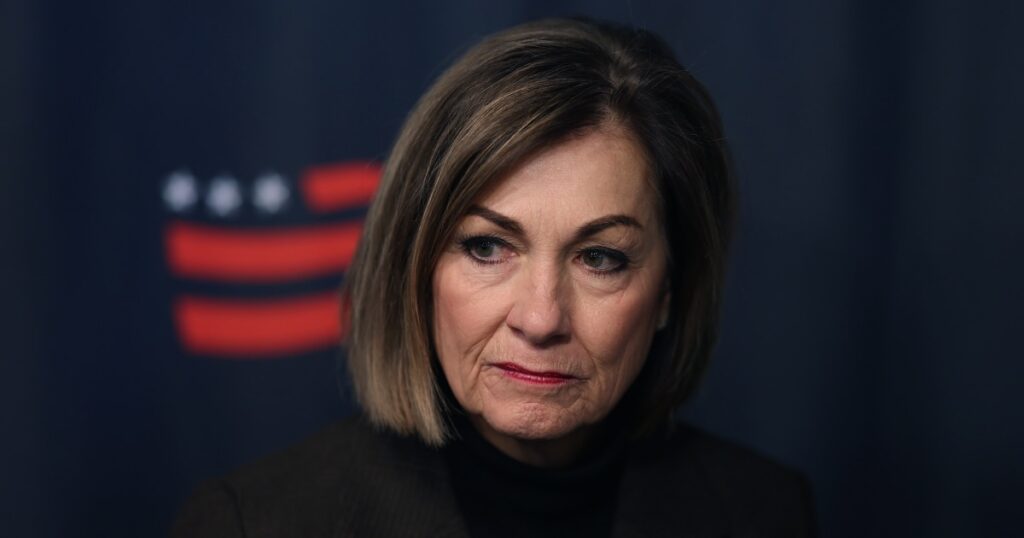
A federal judge in Iowa has issued a preliminary injunction to temporarily block key parts of a law banning books from school libraries and forbidding teachers from raising LGBTQ+ issues. The injunction was issued in response to a lawsuit filed by the American Civil Liberties Union of Iowa, arguing that the law was unconstitutional and violated the First Amendment. The injunction will remain in effect until the court can hear the case in full, with the ACLU of Iowa optimistic that the law will ultimately be struck down.
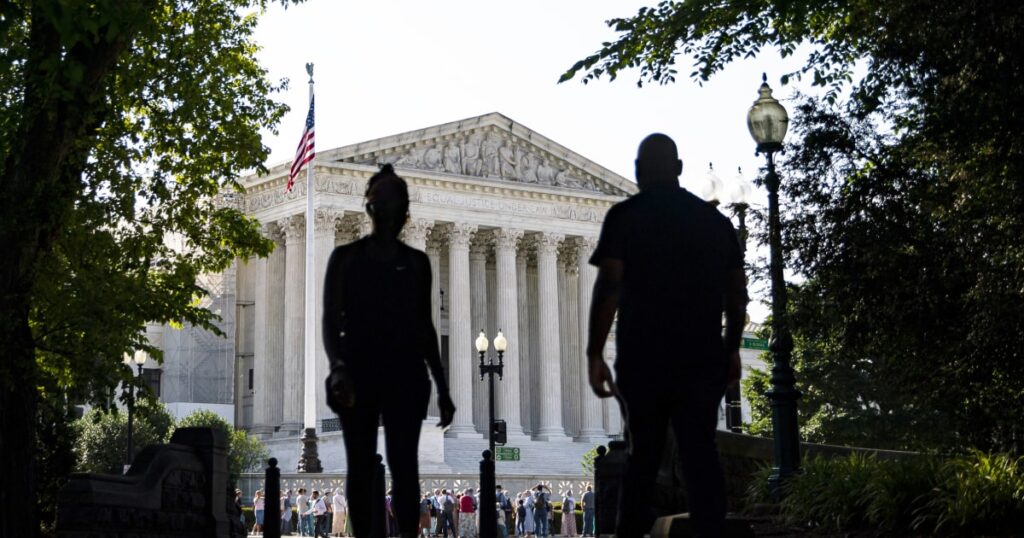
Key takeaways: The Supreme Court rejected a First Amendment challenge to a Washington state law that bars licensed health professionals from practicing conversion therapy on…
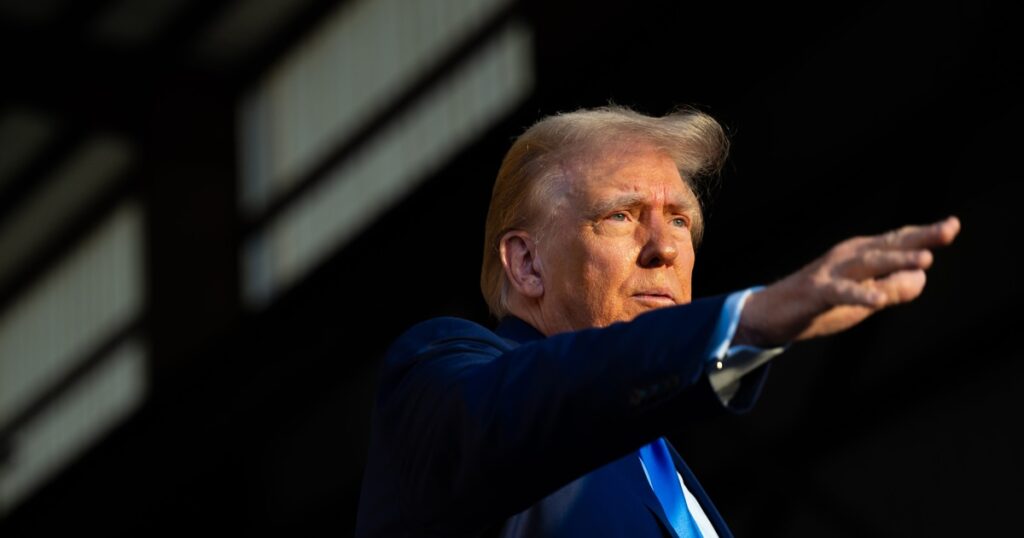
Former President Donald Trump has asked a federal appeals court to lift a gag order that restricts his speech about potential witnesses, prosecutors, and court staff in the case that accuses him of scheming to overturn his 2020 election loss. Trump's attorneys have argued that the gag order is overly broad and unconstitutional, and have asked the U.S. Court of Appeals for the D.C. Circuit to block the gag order ruling while they pursue appeals. If the court denies the request, Trump's attorneys have said they will appeal to the Supreme Court.